charlene gannon
2 years ago


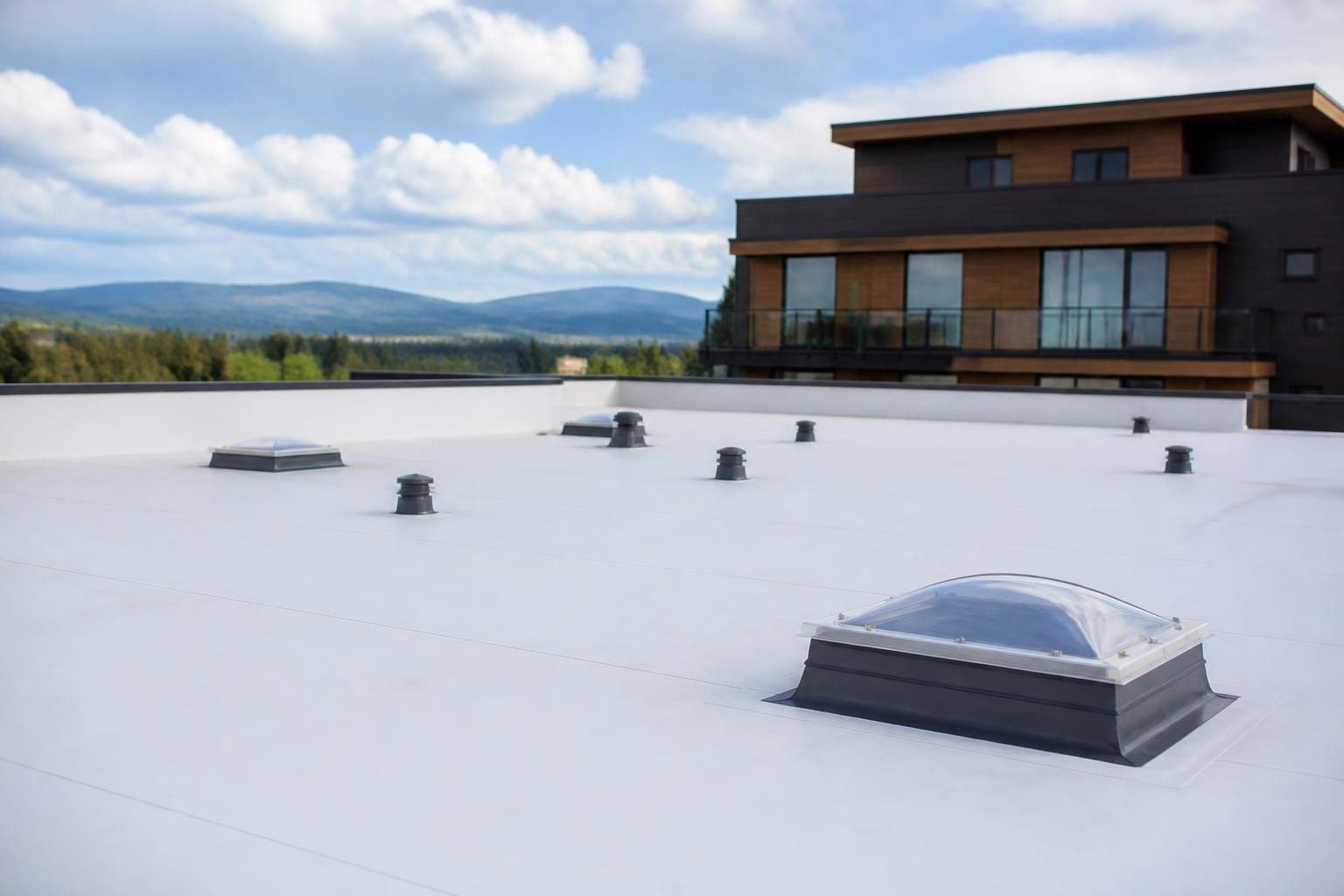
Flat roofing has become an increasingly popular choice for commercial buildings, modern residential properties, and extensions across Ireland and beyond. Despite the name, these roofs aren't entirely flat but feature a subtle slope to facilitate water drainage. With advancements in materials and installation techniques, flat roofing systems now offer exceptional durability, energy efficiency, and cost-effectiveness. Understanding the various types of flat roofing, their components, and maintenance requirements helps property owners make informed decisions about their roofing investments.
Flat roofing systems consist of multiple layers working together to protect a building from the elements. The foundation typically includes a structural deck, vapor barrier, insulation layer, and a waterproof membrane. Each component plays a critical role in the system's overall performance.
The structural deck forms the base of any flat roofing system. Common materials include concrete, metal decking, or plywood, depending on the building's design and load requirements. This deck must be engineered to support not only the roof's weight but also additional loads from maintenance personnel, equipment, and environmental factors like snow accumulation.
Above the deck, a vapor barrier prevents moisture from the building interior from reaching the insulation. This barrier is essential in climates with significant temperature differences between inside and outside environments.
Insulation selection impacts both energy efficiency and roof performance:
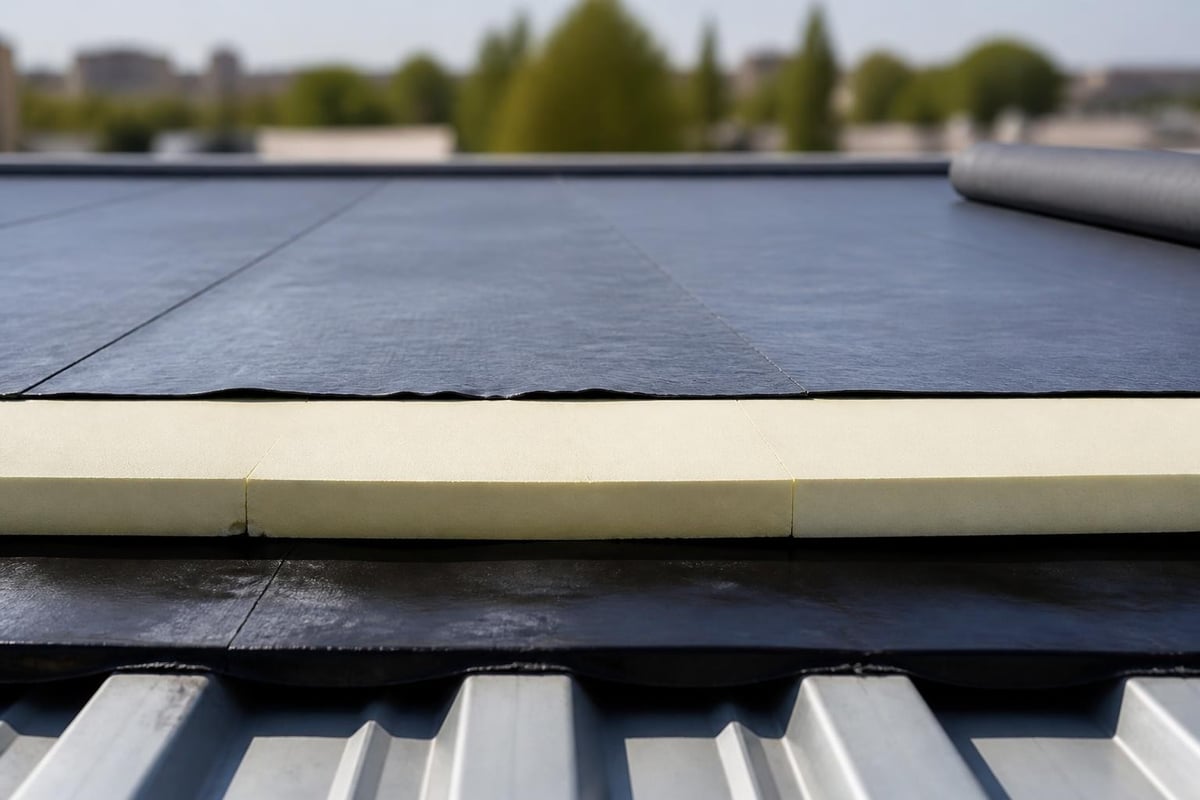
The waterproof membrane serves as the final defense against water infiltration. This critical component must withstand UV radiation, temperature fluctuations, and physical stress while maintaining its integrity for decades.
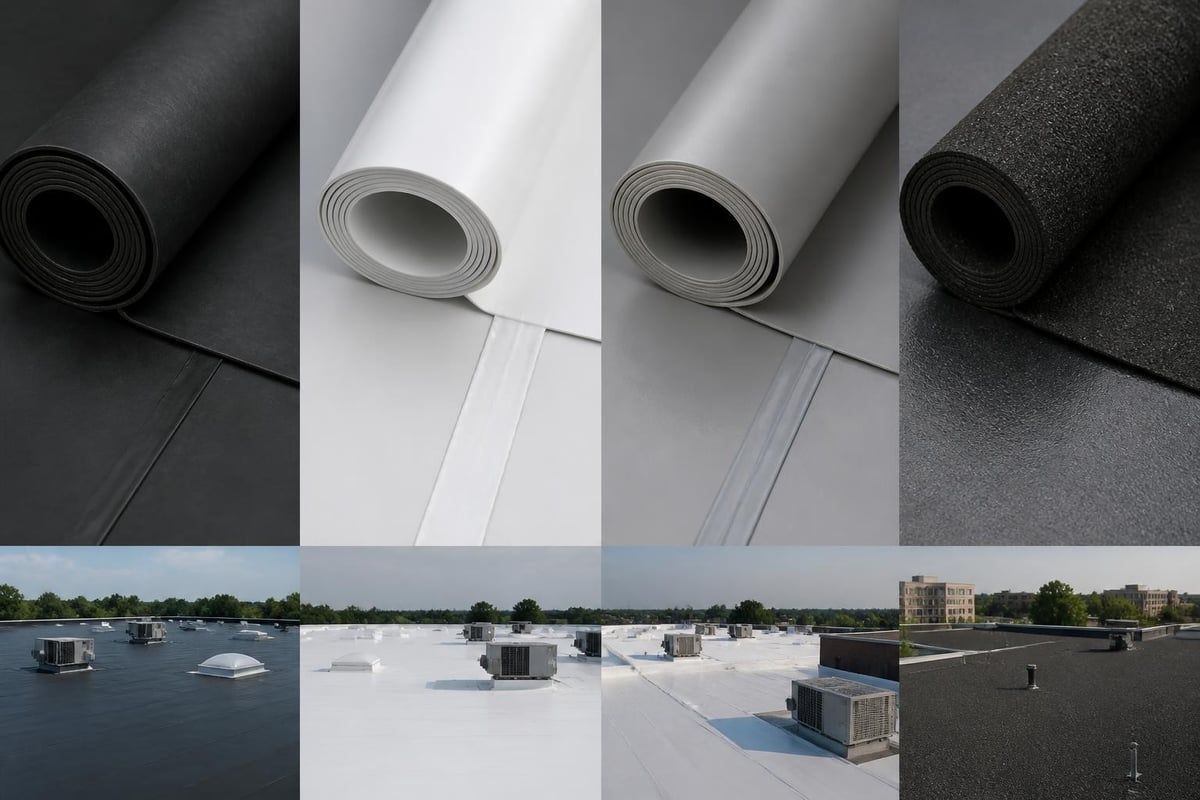
Selecting the appropriate membrane material depends on budget, expected lifespan, building use, and environmental conditions. Modern flat roofing offers several proven options.
Built-up roofing represents the traditional approach to flat roofing, with a history spanning over a century. This system alternates layers of reinforcing fabric with hot asphalt or coal tar, creating a multi-ply membrane. A surface layer of gravel or mineral granules protects against UV damage and provides fire resistance.
BUR systems excel in durability when properly installed and maintained. The multiple layers create redundancy, meaning a single puncture doesn't necessarily compromise the entire system. However, installation requires specialized equipment and expertise, particularly when working with hot asphalt.
| BUR Advantages | BUR Considerations |
|---|---|
| Proven track record spanning 100+ years | Heavy weight requires strong structural support |
| Multiple layers provide redundancy | Installation produces strong odors |
| Gravel surface resists impact damage | Leak detection can be challenging |
| Cost-effective for large commercial projects | Requires experienced installers |
Modified bitumen evolved from traditional BUR technology, incorporating polymer modifications to improve performance. These systems typically consist of one or two layers of polymer-modified asphalt sheets applied to the roof deck.
Installation methods include torch-applied, cold-applied adhesive, or self-adhering sheets. Torch-applied systems create strong bonds but require careful fire safety measures. Cold-applied and self-adhering options offer safer installation in occupied buildings or fire-sensitive environments.
The polymer modifiers (typically APP or SBP) enhance flexibility, temperature resistance, and overall durability compared to traditional asphalt products.
Single-ply membranes have gained significant market share due to their lighter weight, faster installation, and excellent performance characteristics. The two dominant types are EPDM (ethylene propylene diene monomer) and TPO (thermoplastic polyolefin).
EPDM characteristics:
TPO characteristics:
This comprehensive guide explores various flat roofing materials and their specific cost considerations in greater detail.
PVC (polyvinyl chloride) membranes represent the premium option in single-ply roofing. These systems feature hot-air welded seams that create watertight bonds stronger than the membrane itself. PVC naturally resists chemical exposure, making it ideal for restaurants, manufacturing facilities, or any building with rooftop equipment that might leak oils or other substances.
The material's flexibility remains consistent across temperature ranges, reducing the risk of cracking in cold weather. Light-colored PVC membranes reflect solar radiation effectively, contributing to energy savings in cooling-dominated climates.
Proper installation determines whether a flat roofing system reaches its expected lifespan or fails prematurely. Quality workmanship matters more with flat roofs than many other building components due to the critical nature of waterproofing.
Despite their name, flat roofs require adequate slope for proper drainage. The minimum recommended slope is 1:80 (approximately 1.4 degrees), though 1:40 provides better performance. This slope directs water toward drainage points, preventing ponding that accelerates membrane deterioration.
Drainage options include internal drains, scuppers, and perimeter gutters. Internal drains work well for large roof areas, positioning drain bodies at low points with adequate slope from all directions. Scuppers create openings through parapet walls, allowing water to discharge into external gutters or downspouts.
Critical drainage considerations:
Ponding water represents one of the most common flat roofing problems. Water that remains on the roof surface for more than 48 hours after rainfall accelerates membrane aging, promotes vegetation growth, and increases the risk of leaks.
Membrane attachment methods vary by system type and building conditions. Fully adhered systems bond the membrane directly to the substrate across the entire roof area, providing maximum wind uplift resistance. This approach works well in high-wind zones but requires proper surface preparation.
Mechanically attached systems use fasteners and plates to secure the membrane, typically in rows across the roof. This method accommodates substrates unsuitable for adhesives and permits faster installation. However, penetrations through the membrane create potential leak points that require careful sealing.
Ballasted systems rely on heavy materials (typically river-washed stone) to hold the membrane in place. While this approach simplifies installation and eliminates membrane penetrations, it adds substantial weight and limits access for maintenance or repairs.
Regular maintenance extends flat roofing system lifespan significantly. Property owners who implement proactive maintenance programs often achieve 30-40 years from systems designed for 20-25 year lifespans.
Professional inspections should occur at least twice yearly, typically in spring and fall. These inspections identify minor issues before they become major problems. Professional flat roofing specialists examine drainage functionality, membrane condition, flashing integrity, and penetration seals during these visits.
After severe weather events, additional inspections help identify storm damage that might not be immediately obvious from ground level. Wind, hail, and fallen debris can compromise membrane integrity or dislodge flashing components.
Inspection checklist items:
Keeping drains clear represents the single most important maintenance task for flat roofing systems. Leaves, branches, and other debris block drainage pathways, causing water accumulation. Property managers should clear drains and gutters quarterly at minimum, with additional cleaning during heavy leaf-fall periods.
Membrane cleaning removes dirt, organic matter, and pollutants that degrade roofing materials over time. Pressure washing works well for most membrane types, though care must be taken with seam areas. Some manufacturers recommend specific cleaning products for their systems.
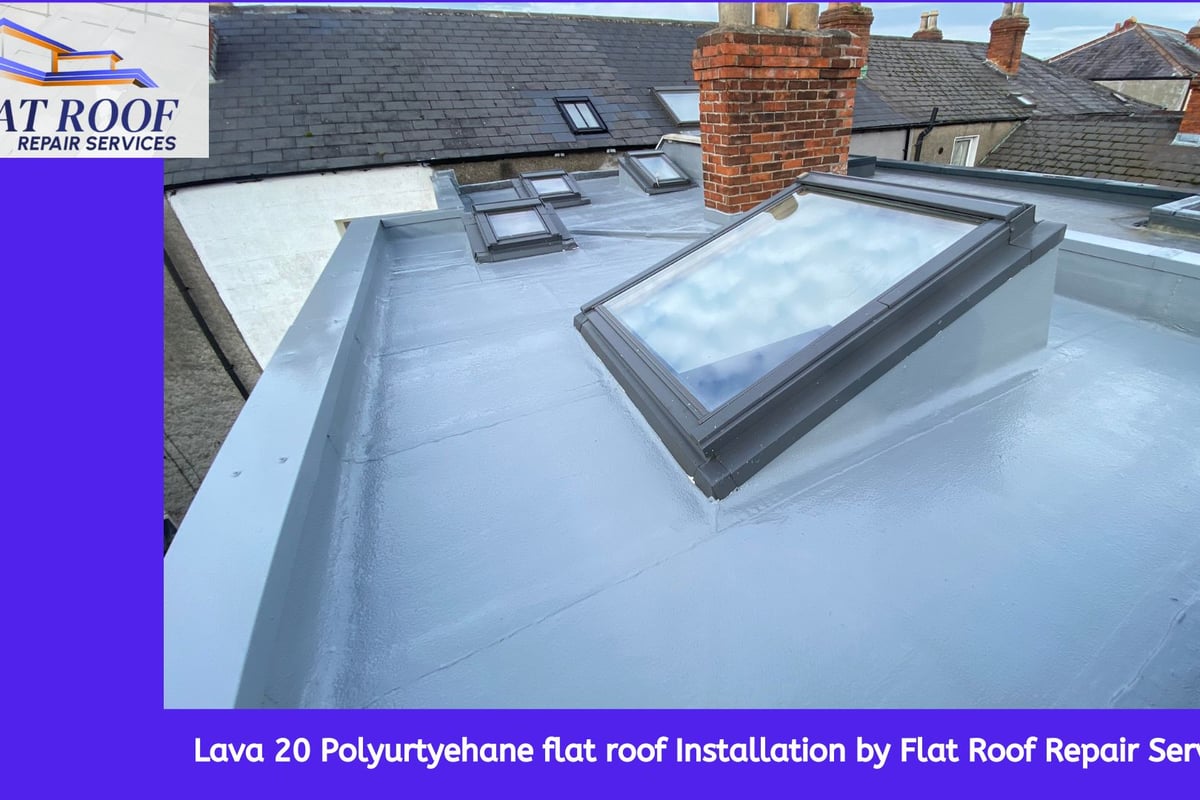
With over 25 years of experience, Flat Roof Repair Services delivers expert installation, maintenance, and repair solutions backed by a comprehensive 25-year guarantee, ensuring your investment receives professional care throughout its lifespan.
Proactive repairs address small problems before they expand. A minor seam separation measuring a few inches can be sealed with appropriate materials in minutes. Left unattended, that same separation might grow to several feet, allowing water infiltration that damages insulation and structural components.
| Maintenance Task | Frequency | Purpose |
|---|---|---|
| Drain cleaning | Quarterly | Prevent water accumulation |
| Professional inspection | Bi-annually | Identify developing issues |
| Membrane cleaning | Annually | Remove degrading contaminants |
| Seam inspection | Bi-annually | Ensure waterproof integrity |
| Flashing check | Bi-annually | Verify penetration seals |
Understanding typical problems helps property owners recognize warning signs early. Most flat roofing failures result from installation errors, inadequate maintenance, or normal aging processes.
Ponding water issues accelerate membrane deterioration through several mechanisms. Constant moisture exposure breaks down material bonds, UV radiation intensifies through water magnification, and freeze-thaw cycles stress membrane compounds. Biological growth in ponded areas creates root systems that penetrate seams and surface layers.
Addressing ponding requires correcting the underlying cause. Sometimes additional tapered insulation can improve slope toward drains. In other cases, installing additional drainage points provides relief. Structural deflection might necessitate more extensive repairs to restore proper roof pitch.
Blisters occur when moisture or air becomes trapped between roofing layers, expanding and contracting with temperature changes. Small blisters (under 2 inches) typically don't require immediate intervention if the membrane surface remains intact. Larger blisters risk rupture, which exposes underlying layers to moisture and UV damage.
Prevention focuses on proper installation techniques, including adequate venting for moisture escape and careful application to avoid trapping air pockets. Existing blisters can be cut, drained, and patched when they threaten membrane integrity.
Flashings at walls, penetrations, and roof edges represent common failure points. These components experience greater stress than field membrane areas due to differential movement between roof and vertical surfaces. Temperature changes cause materials to expand and contract at different rates, working flashing joints loose over time.
Metal flashings require periodic resealing where they meet membrane surfaces. Membrane-based flashings need inspection for splits or separations. Proper flashing design includes base flashing, counter flashing, and appropriate overlap dimensions to accommodate movement without compromising waterproofing.
Modern flat roofing systems contribute significantly to building energy performance. Proper insulation levels, reflective membrane surfaces, and air-sealing details reduce heating and cooling costs while improving occupant comfort.
Thermal resistance (R-value) requirements vary by climate zone and building code jurisdiction. Dublin's temperate climate benefits from R-values between R-25 and R-35 for flat roofing applications, though higher values provide additional benefits.
Insulation placement affects system performance. Installing insulation above the structural deck (protected by the membrane) prevents thermal bridging through structural members. This approach maintains the deck above the dew point, reducing condensation risk.
Tapered insulation systems serve dual purposes by providing thermal resistance while creating slope for drainage. These systems use progressively thicker insulation panels to direct water toward drainage points without structural modifications.
Light-colored or specially coated membranes reflect solar radiation rather than absorbing it as heat. This "cool roof" approach reduces cooling loads in warm months and extends membrane lifespan by limiting thermal stress. White TPO and PVC membranes naturally provide cool roof benefits, while EPDM systems can incorporate reflective coatings.
Cool roofing benefits include:
Determining whether to repair or replace a flat roofing system depends on multiple factors. Age, extent of damage, system type, and building plans all influence this decision.
Roofs younger than halfway through their expected lifespan typically merit repair rather than replacement, assuming damage affects less than 25% of the roof area. Isolated leaks, small punctures, or localized seam failures respond well to targeted repairs that restore system integrity.
Systems approaching or exceeding their design lifespan warrant replacement consideration, particularly when experiencing multiple problem areas. Widespread blistering, extensive seam separation, or general membrane deterioration indicate system-wide issues that repairs cannot adequately address.
The condition of underlying components matters too. Even if the membrane appears serviceable, wet insulation loses thermal performance and adds weight. Structural deck damage from long-term leaks might necessitate full system replacement to address these hidden problems.
Roof coatings offer a middle path between repairs and full replacement for some systems. Silicone, acrylic, or urethane coatings applied over existing membranes seal minor defects, improve reflectivity, and extend service life. Understanding flat roof construction and performance factors helps property owners evaluate whether restoration makes sense for their specific situation.
Successful coating applications require thorough surface preparation, proper material selection, and adequate coating thickness. Not all membrane types accept coatings equally well, and wet insulation must be addressed before coating application.
Professional installation and service quality dramatically impact flat roofing system performance. Selecting qualified contractors protects your investment and ensures warranty coverage remains valid.
Experience with your specific system type matters more than general roofing experience. Contractors specializing in flat roofing understand the unique challenges these systems present, from drainage design to membrane-specific installation techniques.
Manufacturer certifications indicate contractors have received training on proper installation methods for specific products. Many membrane manufacturers offer tiered certification programs, with higher levels requiring demonstrated expertise and quality track records.
Important contractor selection criteria:
Financial stability ensures the contractor remains in business throughout your warranty period. Long-established local companies with proven track records provide greater confidence than newly formed entities without demonstrated longevity.
Material warranties from manufacturers typically cover defects in the membrane itself but exclude installation-related failures. Workmanship warranties from contractors address installation quality. Comprehensive coverage requires both warranty types.
Understanding warranty exclusions and maintenance requirements protects coverage. Most warranties require documented regular maintenance and become void if property owners modify the roof system without manufacturer approval. Reading warranty terms carefully before signing contracts prevents misunderstandings about coverage scope.
Successful flat roofing systems deliver decades of reliable protection through appropriate material selection, expert installation, and proactive maintenance. Whether installing a new system or maintaining an existing roof, understanding these fundamental principles helps property owners make informed decisions. With over 25 years of expertise in flat roofing installation, repair, and waterproofing solutions, Flat Roof Repair provides Dublin property owners with professional service backed by a comprehensive 25-year guarantee. Contact their experienced team today to discuss your flat roofing needs and discover how proper care extends system lifespan while protecting your property investment.
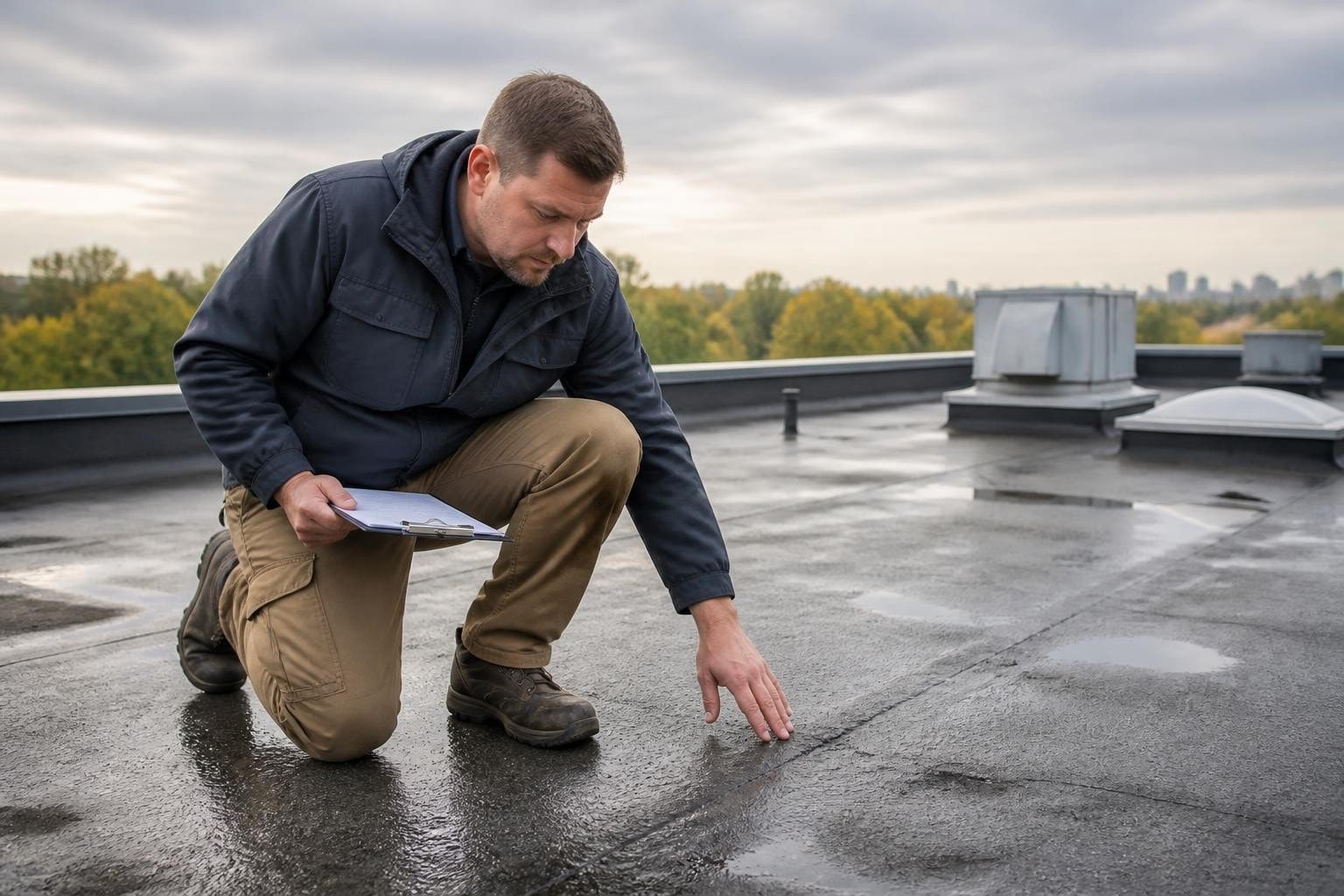
Roof Inspection and Repair: A Complete Guide for 2026
15 July 2026
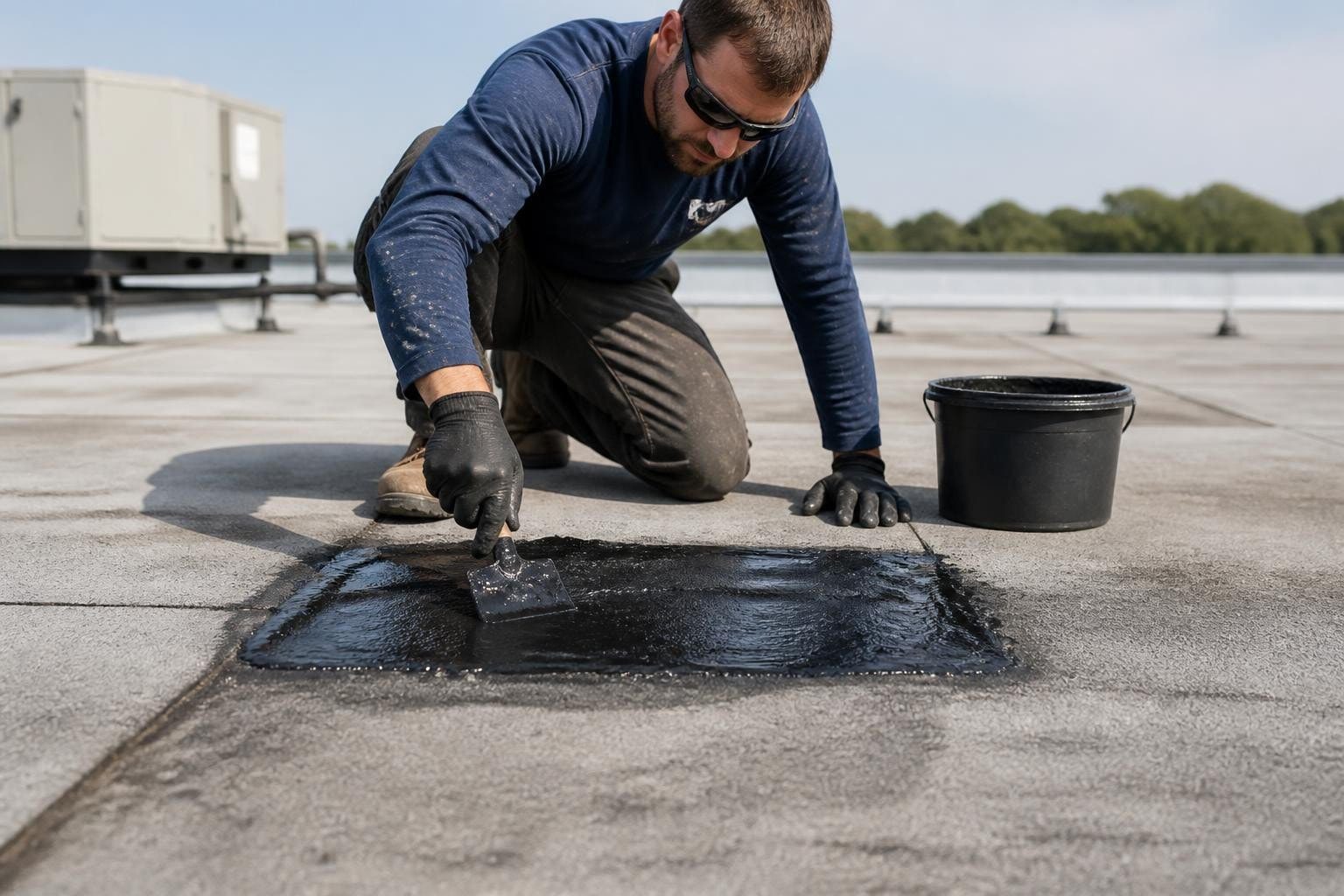
Roof Repair Patch: Complete Guide for Flat Roofs
14 July 2026

Flat Roof Home: Design, Benefits & Considerations
13 July 2026
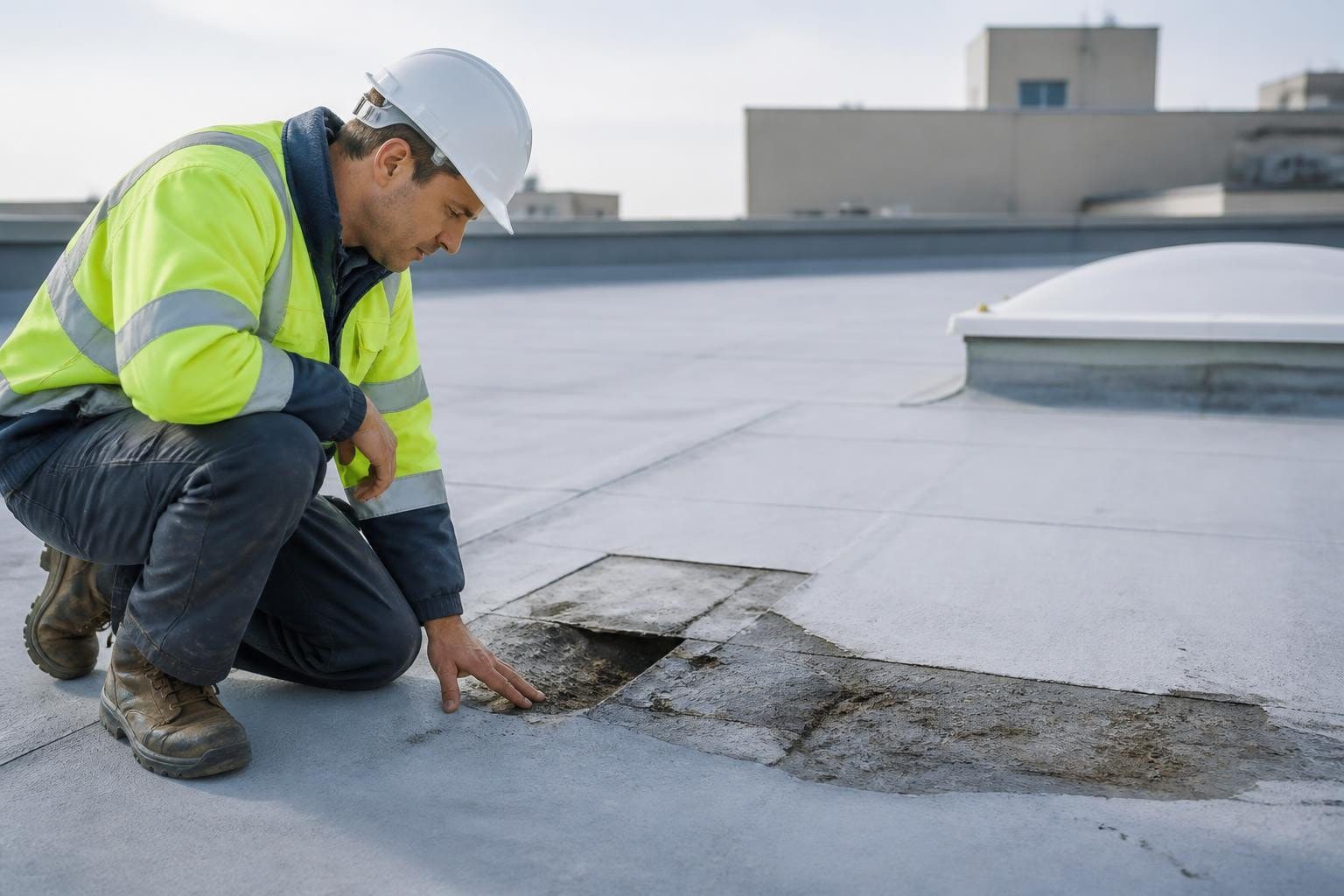
Membrane Roof Repair: Professional Guide for 2026
12 July 2026

Roofing Assessment: Expert Guide for Property Owners
11 July 2026

ExpertiseExpertise
With over two decades of experience, our certified roofing specialists are the best in the business.

UnmatchedUnmatched
Our Lava 20 system guarantees top-notch durability, backed by a solid 25-year guarantee.

Customer-CentricCustomer-Centric
At Flat Roof Repair Services, customer satisfaction is our top priority.
 Let’s get started on your flat roof project today. Contact us for a free consultation and
discover how our expert roofing solutions can benefit your property.

2 years ago
Thank you @flatroofrepairservices for an amazing experience. All aspects of the job were explained from start to finish. Very friendly, competent and diligent team with expert knowledge and skill.
2 years ago
A great company with great flat roof experience thank you for repairing our flat roof.
2 years ago
Hired this company to carry out our new flat roof installation I must say from start to finish they were fantastic to work with our new flat roof installation is fantastic and we got a really great price. Thank you guys
2 years ago
I had an issue of roof leaking. I got best flat roofer in Dublin from Google search and they fixed roof leaking immediately. They gave me best quote for my new house flat roofing installation too. I am satisfied with his expert crew. Highly recommend Darren Flat roofer crew in Dublin
3 years ago
Was a pleasure to have these lads do my flat roof everything was done exactly how I wanted it dine and left to tidy and neat great people to deal with thanks so much darren
3 years ago
Exceptional Service and Outstanding Results! I recently had the pleasure of working with Flat Roof Repair Services for the installation of my flat roof, and I couldn't be more pleased with the outcome. From the initial consultation to the completion of the project, their team demonstrated professionalism, expertise, and a genuine commitment to customer satisfaction. The quality of workmanship is evident in every detail of our new roof. It's not only functional but also enhances the overall appearance of our property. The team was timely, efficient, and kept me informed throughout the process, making it a seamless and stress-free experience. I am delighted to be a very satisfied customer and would highly recommend Flat Roof Repair Services to anyone in need of a reliable and high-quality roofing solution. Their dedication to excellence is truly commendable, and it's clear they take great pride in their work. A heartfelt thank you to the entire team for their exceptional service.