charlene gannon
2 years ago


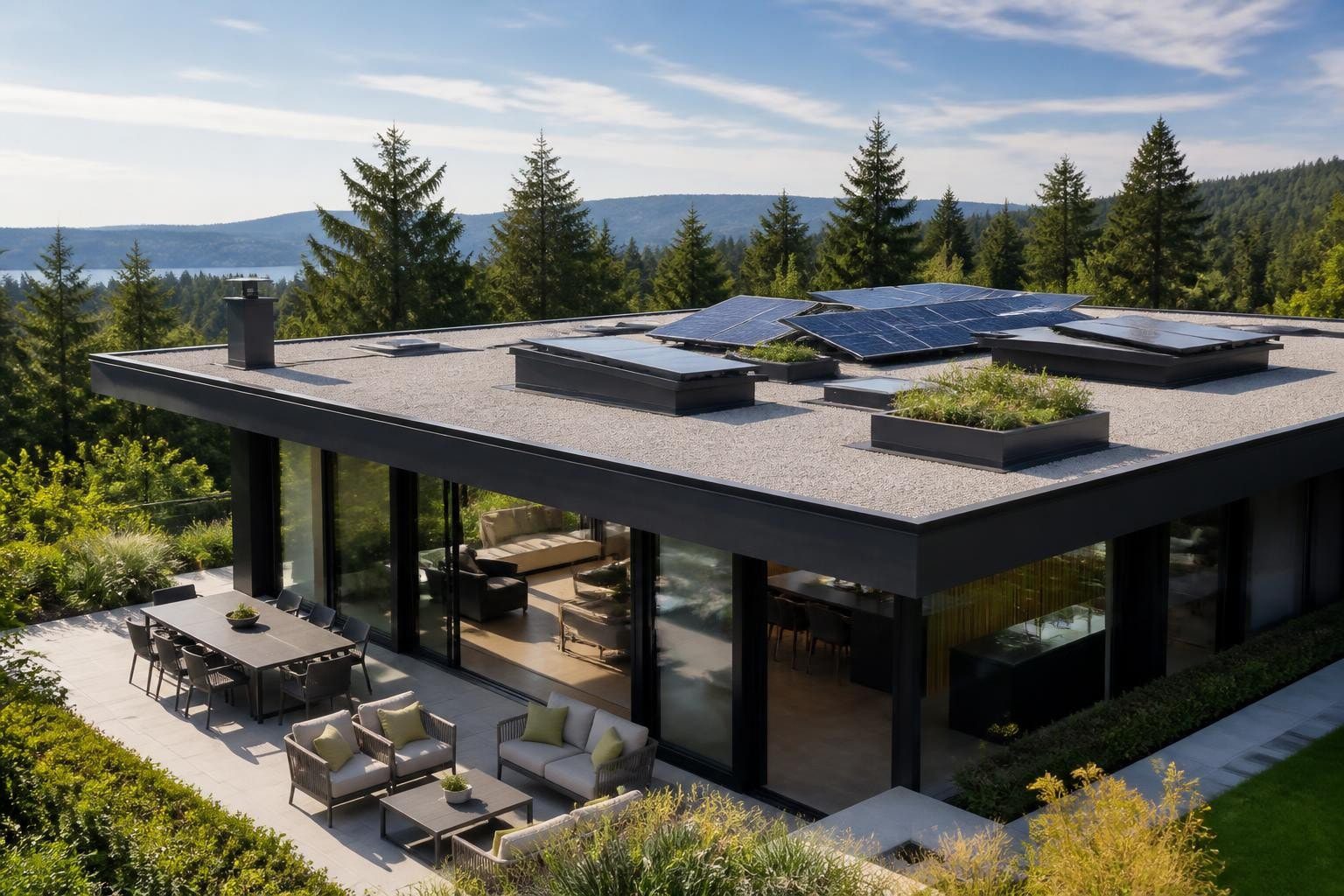
A flat roof home represents a bold architectural choice that combines modern aesthetics with practical functionality. Once primarily associated with commercial buildings, flat roof designs have gained significant popularity in residential construction, offering homeowners unique advantages ranging from additional usable space to contemporary visual appeal. Understanding the characteristics, benefits, and considerations of flat roof homes helps property owners make informed decisions about their roofing investments.
The architectural evolution of the flat roof home reflects changing priorities in residential design. Despite the name, these roofs aren't completely flat but feature a subtle pitch, typically between 1 and 10 degrees, allowing for proper water drainage. This minimal slope distinguishes them from their pitched counterparts while maintaining the sleek, horizontal lines that define modern architecture.
Modern flat roof homes embrace minimalist design principles that emphasize clean lines and geometric simplicity. The horizontal roofline creates a striking silhouette that stands out in traditional neighborhoods while complementing contemporary urban environments. Architectural considerations for flat roofs extend beyond aesthetics to include structural requirements and integration with the overall building design.
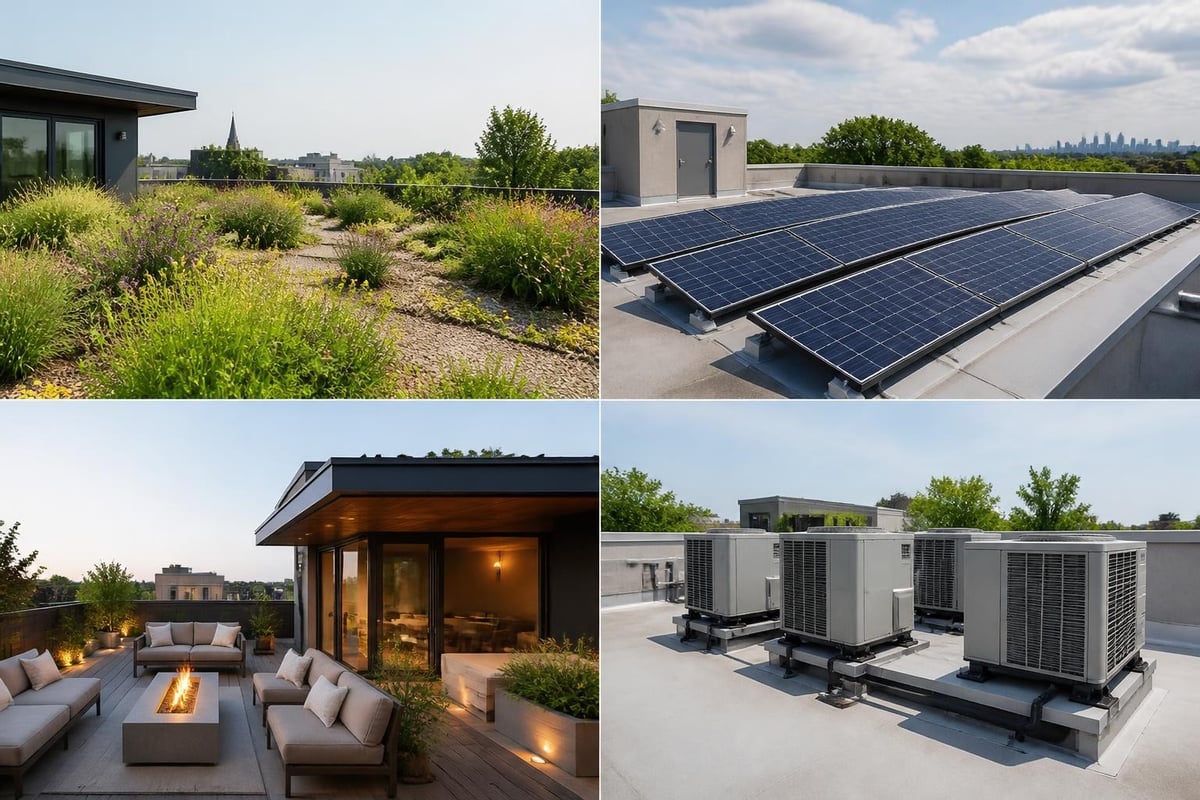
One of the most compelling aspects of a flat roof home is the additional functional space it provides. Homeowners can transform their roof into:
The versatility of flat roof design allows for creative solutions that maximize property value. Exploring flat roof considerations reveals how proper planning during the initial construction phase creates opportunities for future expansion and modification.
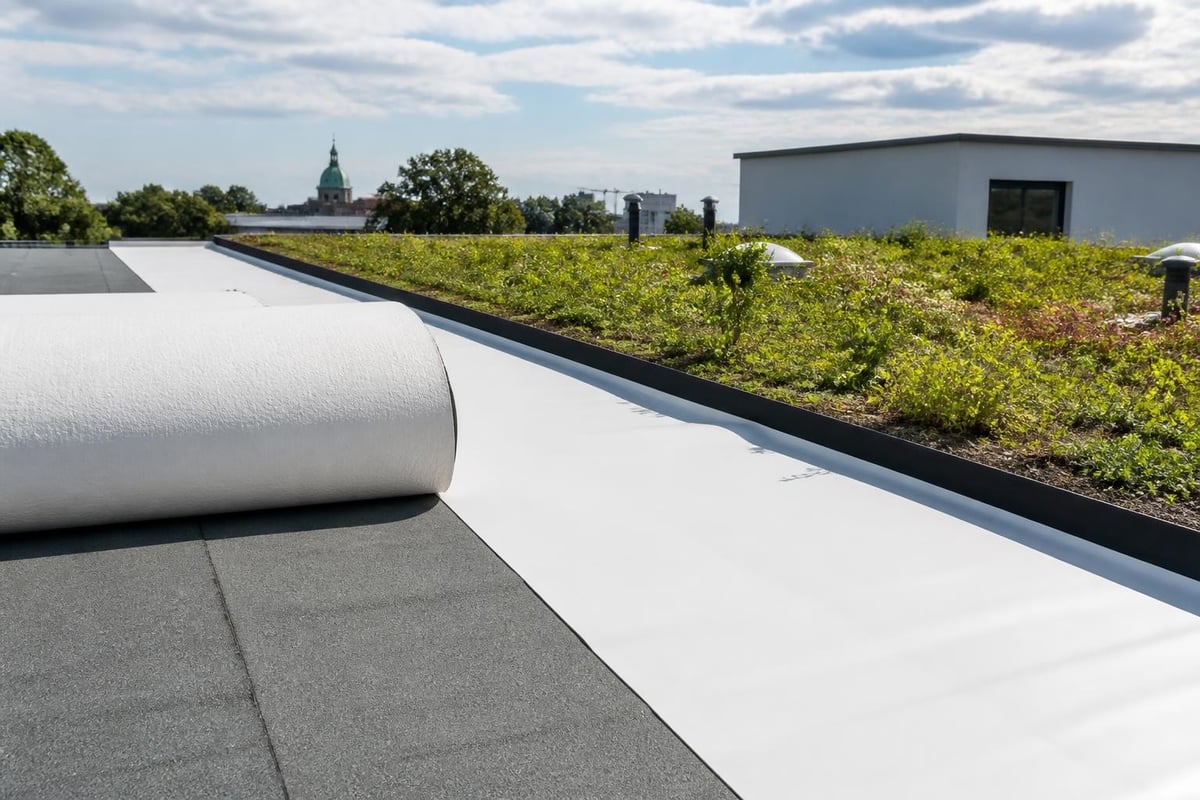
Selecting the right materials for a flat roof home significantly impacts performance, longevity, and maintenance requirements. Modern roofing technology offers several proven options, each with distinct characteristics suited to different climates and budgets.
| Material Type | Lifespan | Best For | Maintenance Level |
|---|---|---|---|
| EPDM Rubber | 20-25 years | Cost-conscious projects | Low |
| TPO Membrane | 15-20 years | Energy efficiency | Medium |
| PVC Roofing | 20-30 years | Chemical exposure areas | Low |
| Modified Bitumen | 15-20 years | Traditional applications | Medium |
| Built-Up Roofing | 15-30 years | High-traffic roofs | Medium-High |
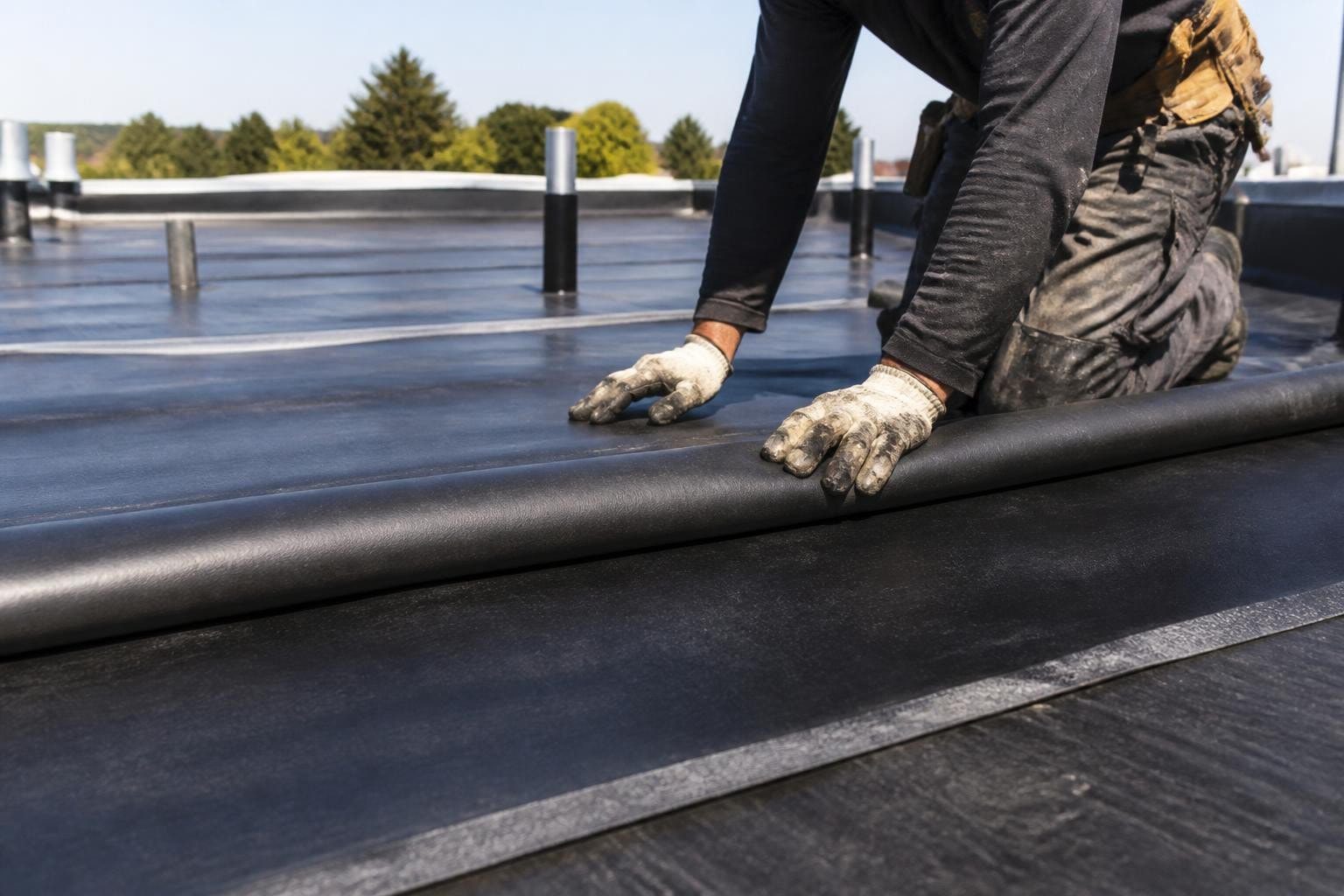
EPDM (ethylene propylene diene monomer) rubber roofing remains one of the most popular choices for flat roof homes due to its durability and cost-effectiveness. This synthetic rubber membrane withstands temperature extremes and UV exposure while requiring minimal maintenance. The material's flexibility allows it to accommodate building movement without cracking or splitting.
TPO (thermoplastic polyolefin) and PVC roofing systems offer superior energy efficiency for flat roof homes. These white or light-colored membranes reflect solar radiation, reducing cooling costs during warm months. TPO has gained market share rapidly since its introduction, offering heat-welded seams that create watertight barriers. PVC roofing provides exceptional chemical resistance, making it ideal for homes near industrial areas or coastal environments.
Modified bitumen combines traditional asphalt roofing with modern polymer technology. This hybrid approach creates a robust membrane that performs well in varied climates. Installation methods include torch-applied, cold-applied, and self-adhering systems, giving contractors flexibility based on project requirements and safety considerations.
A well-designed flat roof home can achieve impressive energy efficiency ratings when properly insulated and finished with reflective materials. The energy efficiency of flat roofs depends heavily on insulation strategies and material selection that minimize heat transfer between interior and exterior environments.
The thermal performance of flat roof systems relies on adequate insulation thickness and continuous coverage. Common insulation materials include:
Cool roofing systems specifically designed for flat roof homes utilize highly reflective surfaces that bounce solar radiation away from the building. This technology can reduce roof surface temperatures by up to 50 degrees Fahrenheit compared to traditional dark-colored roofing. The resulting decrease in heat transfer lowers air conditioning demands and extends the lifespan of roofing materials by reducing thermal stress.
Green roof installations take environmental benefits further by incorporating vegetation directly onto the flat roof home structure. These living roofs provide natural insulation, manage stormwater runoff, improve air quality, and create habitat for urban wildlife. While initial installation costs exceed conventional roofing, the long-term benefits include reduced energy consumption, extended roof membrane life, and enhanced property value.
Proper maintenance ensures a flat roof home performs optimally throughout its expected lifespan. Unlike pitched roofs where debris naturally slides off, flat roofs require more proactive care to prevent water pooling and material degradation. Establishing a regular inspection schedule helps identify minor issues before they escalate into costly repairs.
Essential maintenance tasks include:
Ponding water represents the most frequent challenge facing flat roof home owners. Water that remains on the roof surface for more than 48 hours after rainfall indicates drainage problems that require correction. Solutions range from improving existing drain capacity to installing additional drains or modifying the roof slope through targeted insulation placement.
Blistering and bubbling in membrane roofing materials signal trapped moisture or air beneath the surface. These defects compromise waterproofing integrity and demand prompt attention. Understanding flat roofing fundamentals helps homeowners recognize warning signs and respond appropriately to prevent extensive damage.
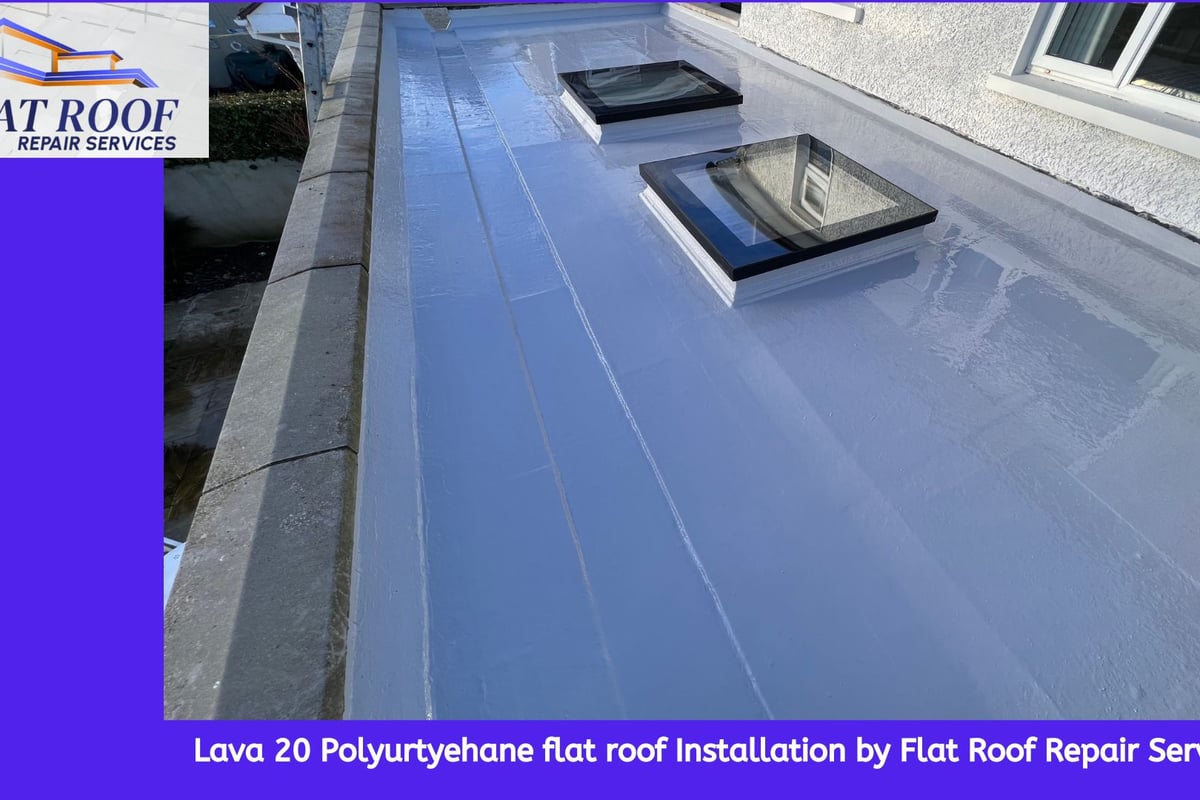
Flat Roof Repair Services brings over 25 years of specialized experience to maintaining and repairing flat roof homes throughout Dublin. Their comprehensive approach addresses both immediate concerns and long-term performance, backed by a 25-year guarantee that provides peace of mind for homeowners investing in quality roofing solutions.
The financial aspects of a flat roof home involve both initial construction costs and long-term ownership expenses. Generally, flat roofs cost less to install than pitched roofs due to reduced material requirements and simpler construction methods. However, the total investment depends on material selection, roof size, accessibility, and regional labor rates.
Budget planning for flat roof homes should account for:
While flat roof homes may require more frequent maintenance than pitched alternatives, the additional usable space they provide can offset these costs. Converting rooftop areas into functional outdoor living spaces adds significant value to properties, particularly in urban locations where lot sizes limit ground-level expansion options.
Energy savings from properly insulated and reflective flat roofing systems accumulate over time, reducing monthly utility bills. Evaluating flat roof pros and cons reveals how these efficiency gains contribute to overall cost-effectiveness when assessed over the roof's entire lifespan rather than just initial installation expenses.
Geographic location significantly influences flat roof home performance and longevity. These roofing systems excel in dry, arid climates where precipitation remains moderate and snow accumulation poses minimal concern. However, modern materials and proper installation techniques have expanded their viability to more challenging weather conditions.
| Climate Type | Primary Considerations | Recommended Materials |
|---|---|---|
| Hot, Dry | UV resistance, thermal expansion | TPO, PVC, cool coatings |
| Coastal | Wind uplift, salt exposure | PVC, reinforced membranes |
| Cold, Snowy | Insulation, ice damming prevention | Modified bitumen, tapered systems |
| Wet, Rainy | Superior waterproofing, drainage | EPDM, PVC with enhanced drains |
In regions with heavy snowfall, flat roof homes require careful structural engineering to support substantial weight loads. Snow retention on flat surfaces creates static loads that exceed the transient loads experienced by pitched roofs where snow slides off naturally. Building codes in these areas mandate higher load-bearing capacities and may require heated cables or other ice prevention measures.
Coastal flat roof homes face unique challenges from salt spray, high winds, and intense UV exposure. Advantages and disadvantages of flat roofs in different climates demonstrate the importance of material selection and installation quality in marine environments. Mechanically attached or fully adhered systems provide superior wind resistance compared to ballasted installations.
Areas with frequent severe weather benefit from impact-resistant roofing materials and enhanced waterproofing details. Professional installation by experienced contractors familiar with regional weather patterns ensures flat roof homes perform reliably regardless of climate challenges.
The visual impact of a flat roof home extends beyond the roofline itself to encompass the entire architectural composition. Successful designs integrate the horizontal roof plane with vertical building elements, creating balanced proportions and harmonious relationships between different structural components.
Contemporary flat roof homes often feature:
Achieving visual harmony in a flat roof home requires careful attention to detail at every scale. Fascia and coping treatments finish roof edges with precision, while proper flashing installation remains hidden yet critical to performance. The intersection between walls and roof demands both technical waterproofing competence and aesthetic refinement.
Expert insights on flat roofing emphasize how design decisions impact both function and appearance. Color selection for roofing membranes, even when not visible from ground level, affects energy performance and neighborhood aesthetics when viewed from surrounding elevated positions.
Interior spaces benefit from the flat roof home configuration through opportunities for clerestory windows, skylights, and roof monitors that introduce natural light deep into floor plans. These architectural features transform the roof from merely a protective covering into an active participant in creating comfortable, well-lit living environments.
The performance of a flat roof home depends critically on installation quality that meets or exceeds manufacturer specifications and building code requirements. Unlike pitched roofing where gravity assists water shedding, flat roofs demand meticulous attention to detail in every aspect of construction, from substrate preparation through final membrane installation.
Professional installation ensures:
Choosing qualified contractors for flat roof home projects requires evaluating experience, credentials, and reputation. Residential flat roof considerations include verifying contractor licensing, insurance coverage, and manufacturer certifications that authorize warranty coverage.
References from previous clients provide insight into contractor reliability, workmanship quality, and customer service practices. Site visits to completed projects allow prospective clients to assess installation quality firsthand and discuss experiences with other homeowners who have chosen flat roof designs.
Warranty protection represents a crucial component of contractor selection. Comprehensive coverage should include both material defects and installation workmanship, with clear terms defining coverage duration, claim procedures, and exclusions. Reputable contractors stand behind their work with substantial guarantees that demonstrate confidence in their craftsmanship and materials.
A flat roof home offers distinctive advantages in design flexibility, space utilization, and modern aesthetics when properly planned and professionally executed. Whether you're considering a new flat roof installation or maintaining an existing system, expert guidance ensures optimal performance and longevity. Flat Roof Repair provides Dublin homeowners with comprehensive roofing solutions backed by over 25 years of specialized experience and a 25-year guarantee on workmanship and materials. Contact their team today to discuss how professional flat roofing services can protect and enhance your property investment.
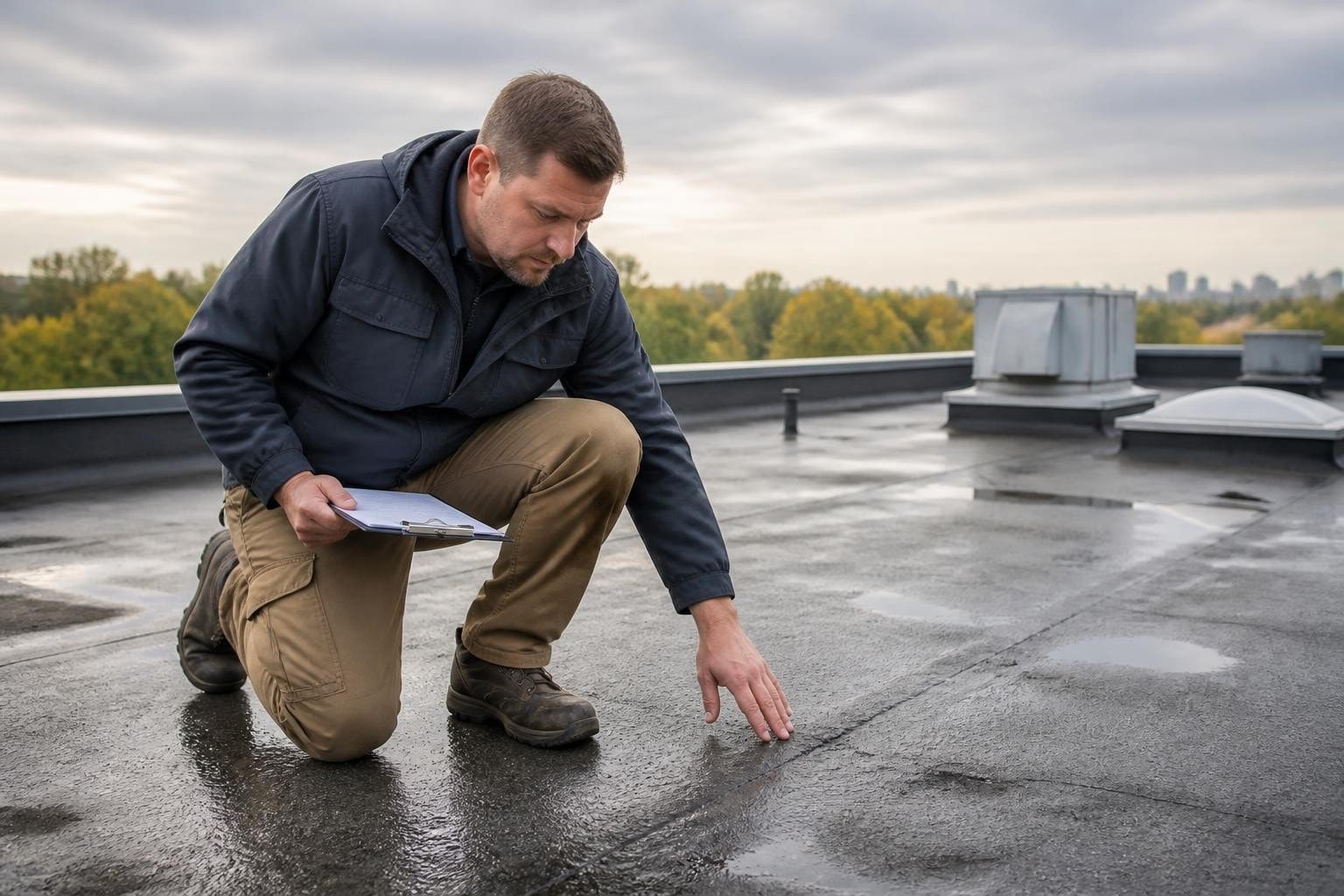
Roof Inspection and Repair: A Complete Guide for 2026
15 July 2026
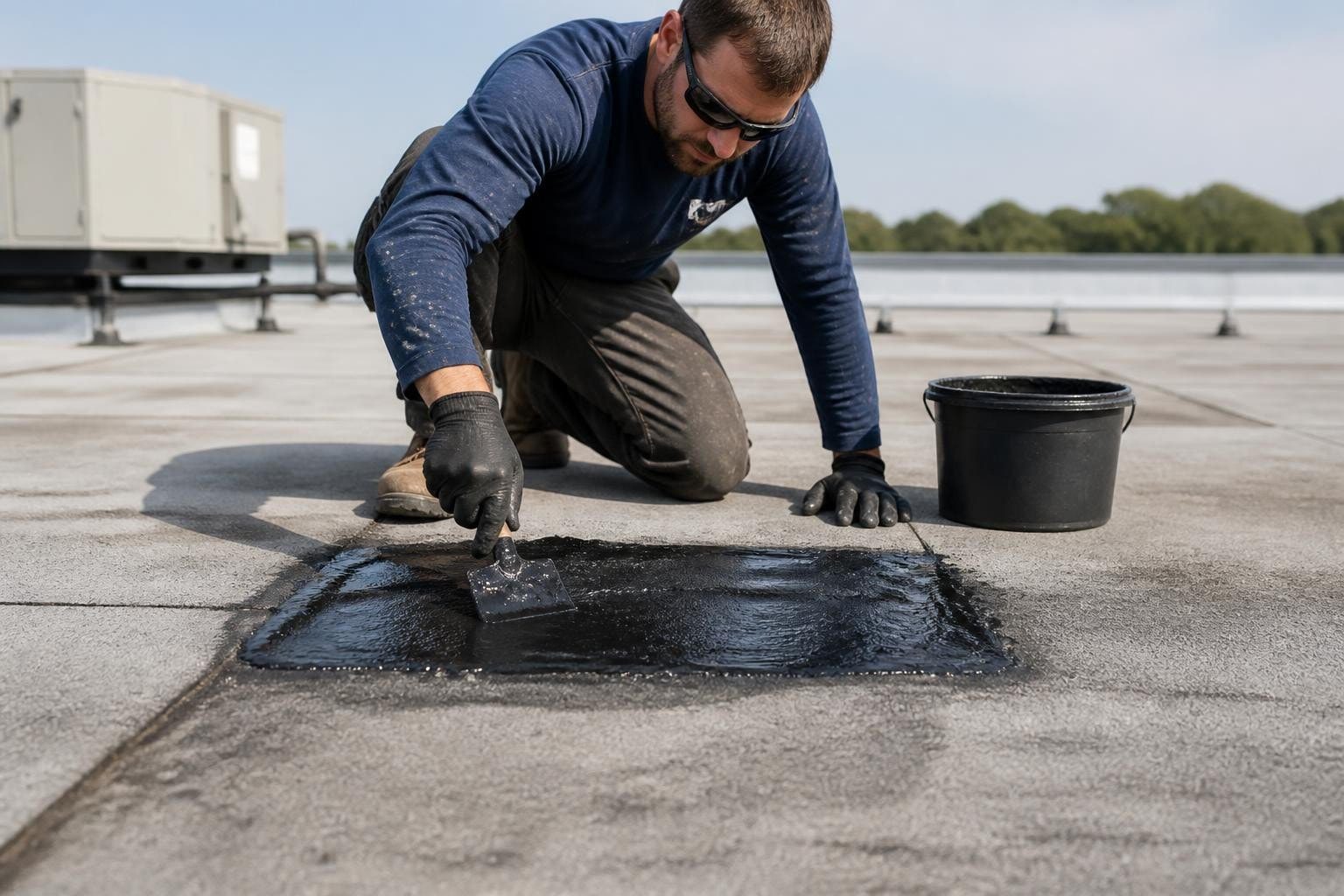
Roof Repair Patch: Complete Guide for Flat Roofs
14 July 2026
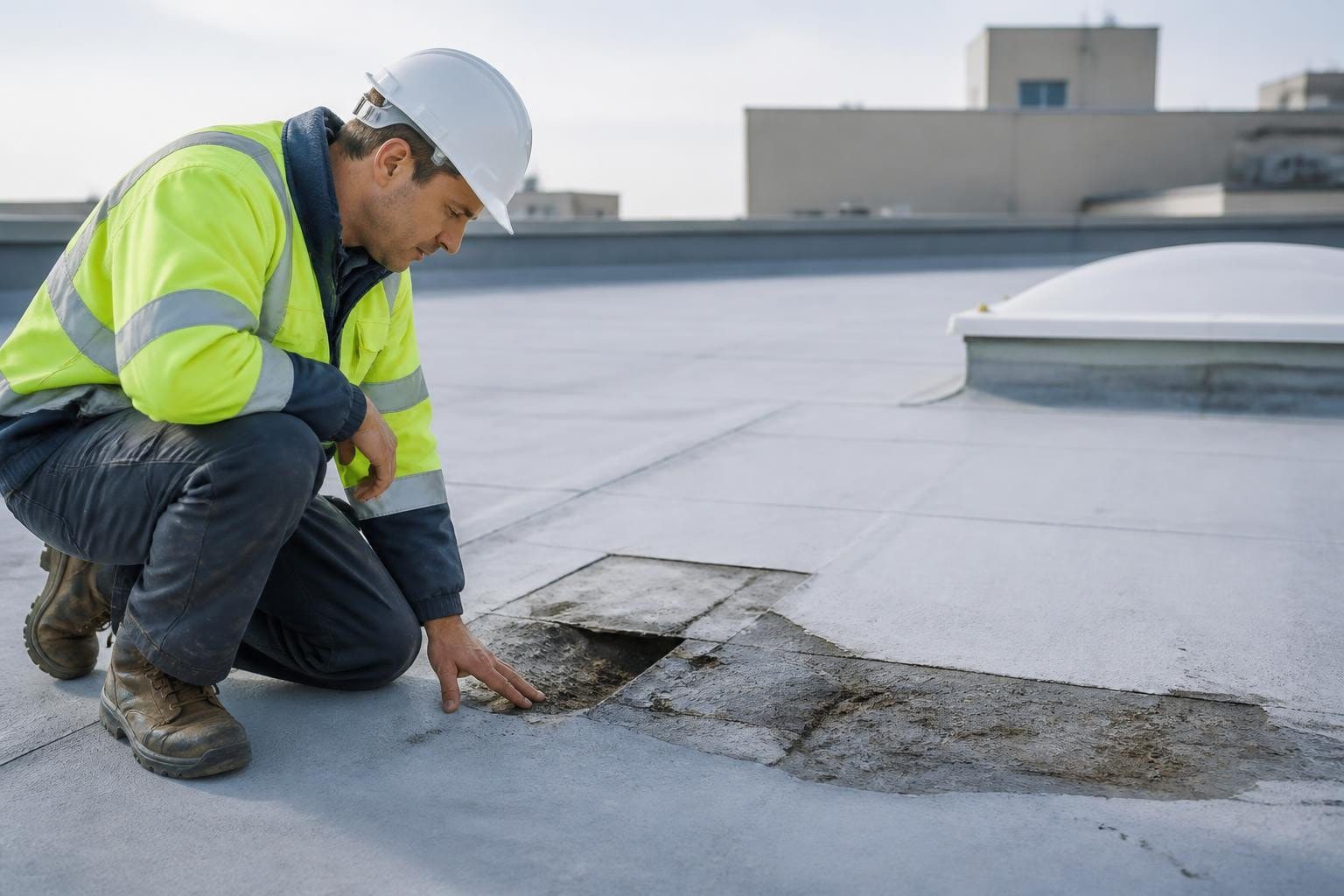
Membrane Roof Repair: Professional Guide for 2026
12 July 2026
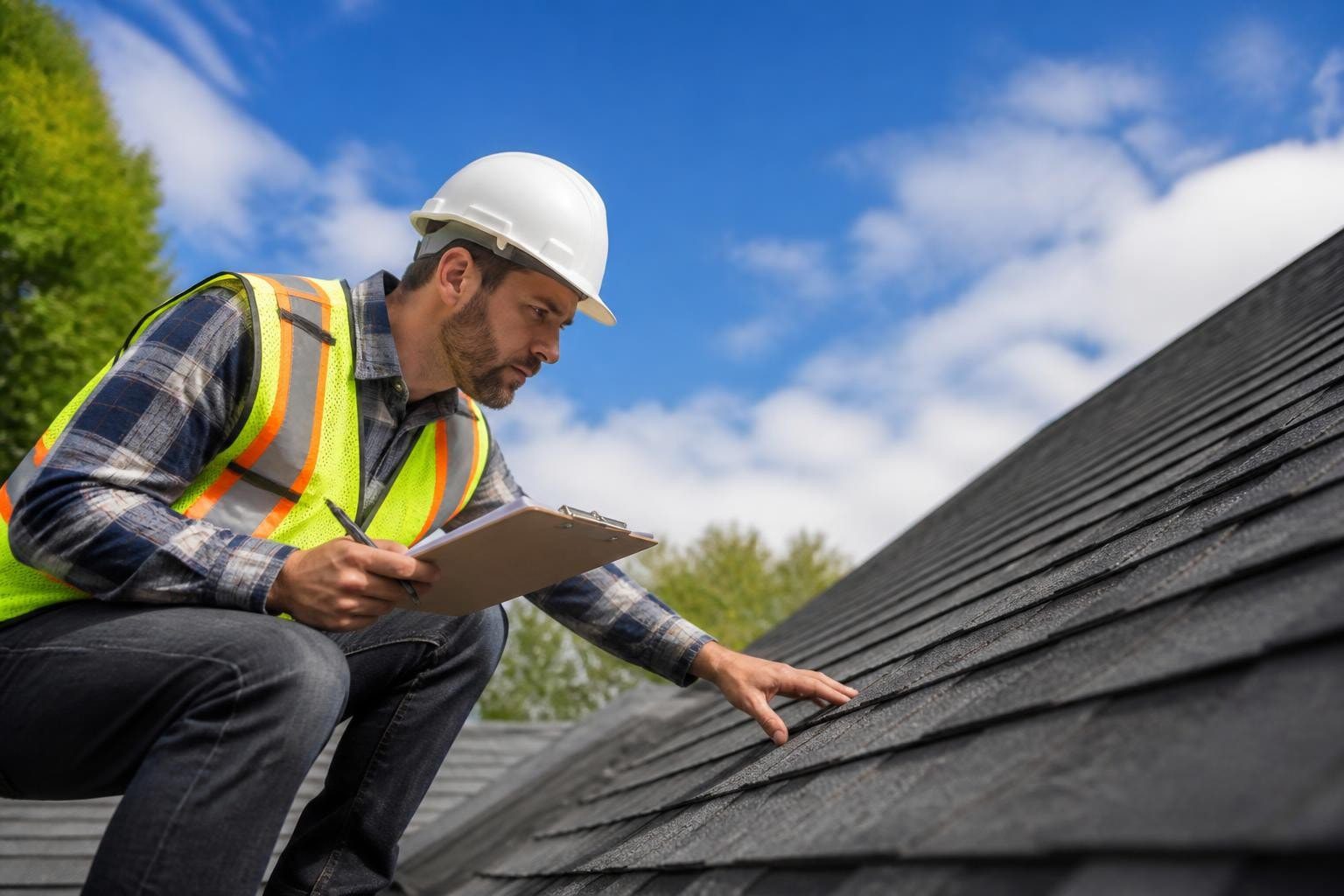
Roofing Assessment: Expert Guide for Property Owners
11 July 2026
EPDM Rubber Roof Replacement: Complete Guide 2026
10 July 2026

ExpertiseExpertise
With over two decades of experience, our certified roofing specialists are the best in the business.

UnmatchedUnmatched
Our Lava 20 system guarantees top-notch durability, backed by a solid 25-year guarantee.

Customer-CentricCustomer-Centric
At Flat Roof Repair Services, customer satisfaction is our top priority.
 Let’s get started on your flat roof project today. Contact us for a free consultation and
discover how our expert roofing solutions can benefit your property.

2 years ago
Thank you @flatroofrepairservices for an amazing experience. All aspects of the job were explained from start to finish. Very friendly, competent and diligent team with expert knowledge and skill.
2 years ago
A great company with great flat roof experience thank you for repairing our flat roof.
2 years ago
Hired this company to carry out our new flat roof installation I must say from start to finish they were fantastic to work with our new flat roof installation is fantastic and we got a really great price. Thank you guys
2 years ago
I had an issue of roof leaking. I got best flat roofer in Dublin from Google search and they fixed roof leaking immediately. They gave me best quote for my new house flat roofing installation too. I am satisfied with his expert crew. Highly recommend Darren Flat roofer crew in Dublin
3 years ago
Was a pleasure to have these lads do my flat roof everything was done exactly how I wanted it dine and left to tidy and neat great people to deal with thanks so much darren
3 years ago
Exceptional Service and Outstanding Results! I recently had the pleasure of working with Flat Roof Repair Services for the installation of my flat roof, and I couldn't be more pleased with the outcome. From the initial consultation to the completion of the project, their team demonstrated professionalism, expertise, and a genuine commitment to customer satisfaction. The quality of workmanship is evident in every detail of our new roof. It's not only functional but also enhances the overall appearance of our property. The team was timely, efficient, and kept me informed throughout the process, making it a seamless and stress-free experience. I am delighted to be a very satisfied customer and would highly recommend Flat Roof Repair Services to anyone in need of a reliable and high-quality roofing solution. Their dedication to excellence is truly commendable, and it's clear they take great pride in their work. A heartfelt thank you to the entire team for their exceptional service.