charlene gannon
2 years ago



A roofing assessment represents one of the most critical maintenance activities property owners can undertake to protect their investment. This systematic evaluation goes beyond a simple visual check, incorporating detailed analysis of materials, structural integrity, drainage systems, and potential problem areas that could lead to costly repairs if left unaddressed. Whether you manage a commercial building with extensive flat roofing or own residential property in Dublin, understanding what a comprehensive roofing assessment entails empowers you to make informed decisions about maintenance, repairs, and replacement timelines.
A professional roofing assessment follows a structured methodology designed to uncover both visible and hidden issues. Unlike casual inspections performed from ground level, these evaluations require trained professionals who understand material behavior, water intrusion patterns, and structural warning signs.
The assessment typically begins with documentation of basic roof information, including age, material type, previous repairs, and maintenance history. This baseline data helps inspectors contextualize their findings and compare current conditions against expected performance standards for that particular roofing system.
Professional inspectors examine multiple interconnected systems during a thorough roofing assessment. Each component plays a vital role in overall roof performance:
The inspection extends beyond the roof surface itself. According to comprehensive roof inspection guidelines, evaluators also assess attic spaces, interior ceilings for water stains, and exterior walls for signs of moisture migration.
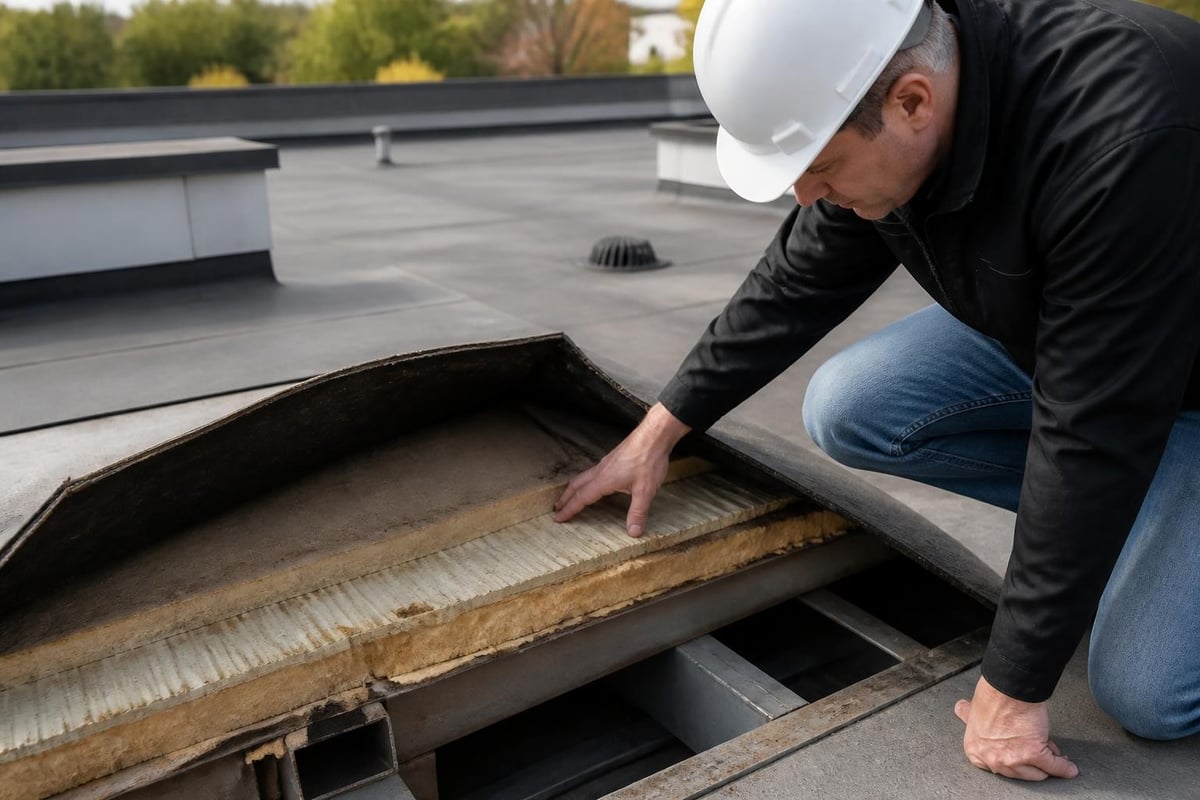
Modern roofing assessments employ various techniques beyond visual observation. Infrared moisture scanning has become increasingly valuable for detecting trapped moisture beneath roofing membranes, particularly on flat roof systems where water accumulation poses serious risks.
| Assessment Method | Application | Benefits | Limitations |
|---|---|---|---|
| Visual Inspection | All roof types | Cost-effective, immediate | Surface-level only |
| Infrared Scanning | Flat/low-slope roofs | Detects hidden moisture | Requires specific weather conditions |
| Core Sampling | Membrane systems | Reveals subsurface conditions | Invasive, requires patching |
| Water Testing | Problem areas | Confirms leak locations | Time-intensive |
Professional assessors select appropriate methods based on roof type, reported symptoms, and property history. Commercial roof inspection standards emphasize the importance of combining multiple techniques for comprehensive evaluations, particularly on larger buildings where isolated issues can indicate systemic problems.
Timing plays a crucial role in maximizing the value of your roofing assessment. While regular scheduled evaluations form the foundation of proactive maintenance, certain circumstances demand immediate professional attention.
Establishing a consistent assessment schedule helps property owners track deterioration patterns and plan for repairs or replacement. Most roofing professionals recommend biannual inspections, typically conducted in spring and fall when weather conditions allow thorough evaluation.
Spring assessments reveal winter damage from freeze-thaw cycles, ice accumulation, and storm activity. Fall evaluations ensure roofs enter harsh weather months in optimal condition while identifying drainage issues before heavy rainfall arrives.
For flat roofing systems common throughout Dublin commercial properties, these regular touchpoints become even more critical. Flat roofs face unique challenges including standing water, membrane seam failures, and faster deterioration rates compared to pitched alternatives.
Beyond routine schedules, specific events warrant immediate roofing assessment:
Property managers should also schedule assessments when planning building expansions or equipment installations that require roof penetrations. Best practices for roof inspections recommend documenting baseline conditions before any work begins to prevent liability disputes over pre-existing damage versus installation-related issues.
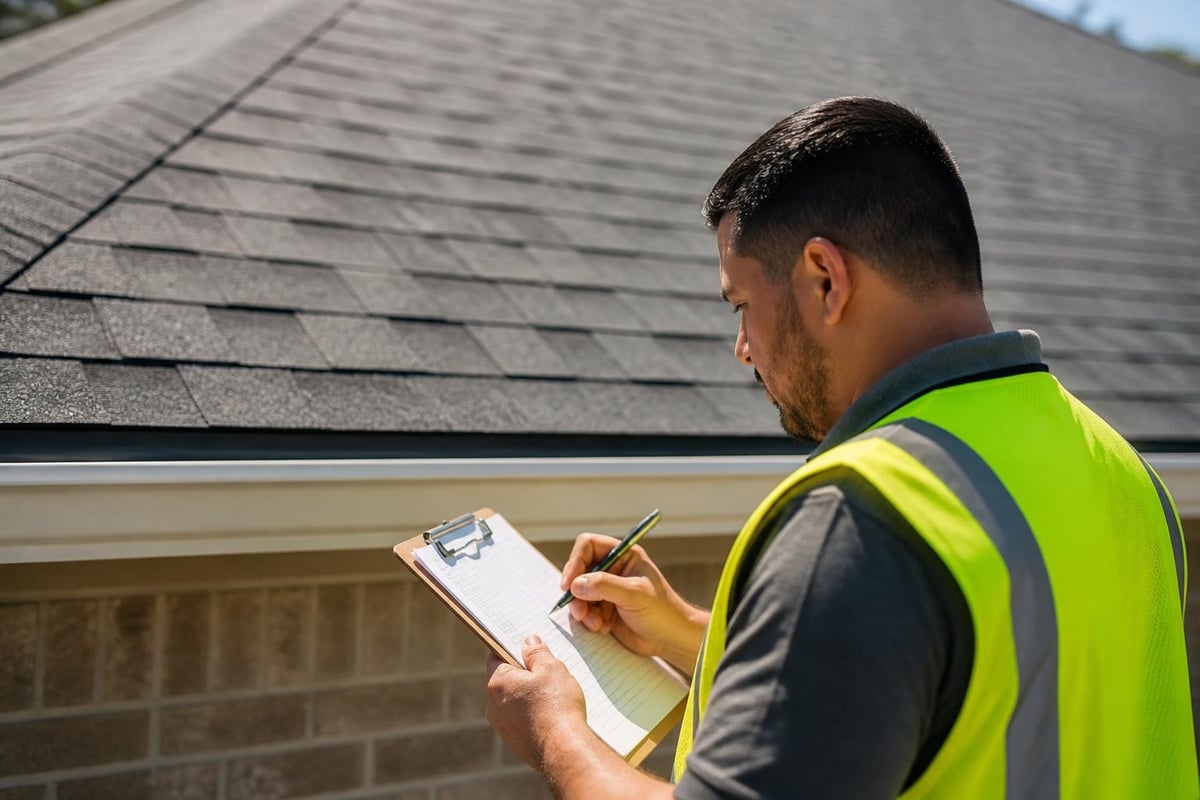
Flat and low-slope roofing systems present unique evaluation challenges requiring specialized knowledge. These roofs depend entirely on membrane integrity and proper drainage since gravity provides minimal assistance in water removal.
The waterproofing membrane serves as the primary defense against moisture intrusion. During assessment, inspectors examine seam integrity with particular attention to heat-welded or adhered joints where separation commonly occurs. Punctures from foot traffic, equipment installation, or debris impact create immediate vulnerabilities requiring prompt repair.
Blistering indicates trapped moisture or air pockets beneath the membrane surface. While small blisters may remain stable for years, larger formations or those showing cracking require intervention to prevent expanded damage. Professional assessors document blister locations, sizes, and severity to inform repair prioritization.
Surface pooling represents a critical finding during flat roof assessment. Water remaining on the roof surface more than 48 hours after rainfall signals inadequate drainage slope or blocked pathways. This standing water accelerates membrane deterioration, increases structural load, and creates ideal conditions for vegetation growth.
Flashing failures account for a disproportionate number of flat roof leaks despite representing a relatively small percentage of total roof area. Assessment protocols emphasize thorough evaluation of:
Inspectors test flashing adhesion manually where accessible, checking for lifting, gaps, or deteriorated sealants. Thermal imaging often reveals flashing failures by highlighting temperature differentials indicating air or moisture infiltration paths.
For property owners seeking professional expertise, Flat Roof Repair Services has spent over two decades mastering these critical assessment details. Their experience with Dublin's climate challenges and building types provides valuable insight into common failure patterns and effective intervention strategies.
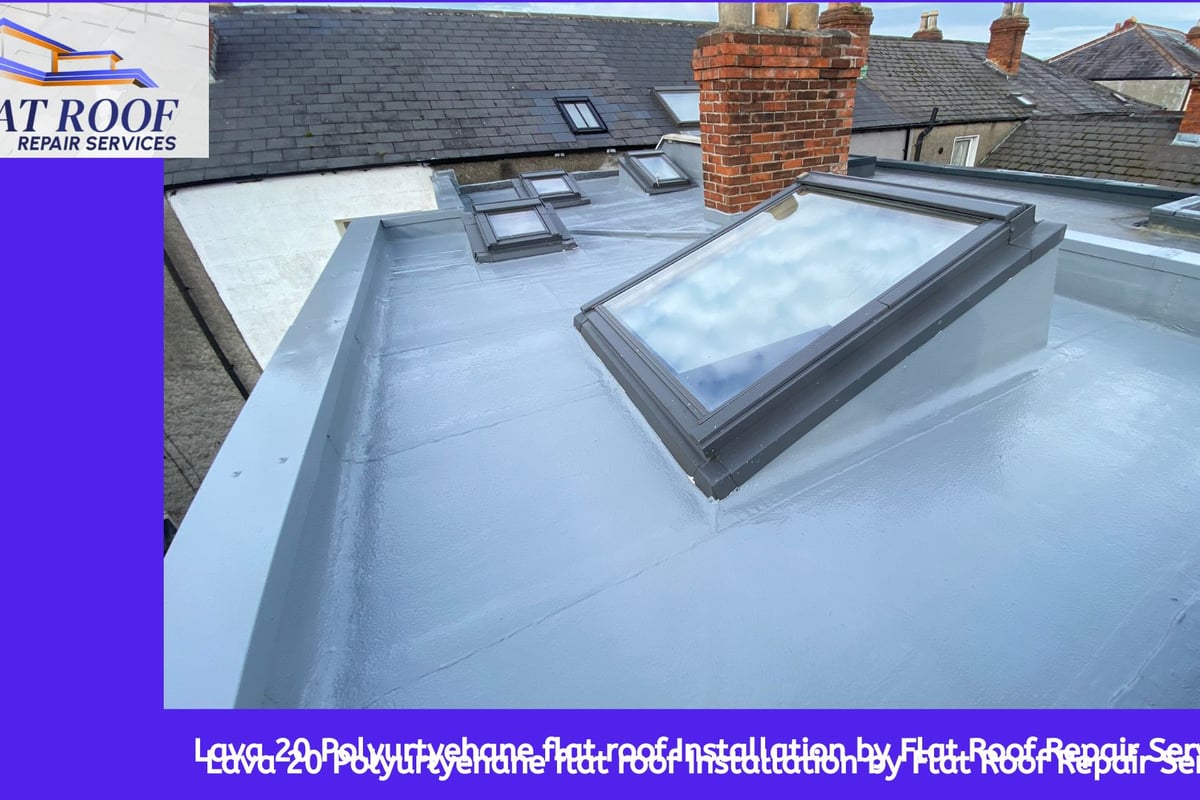
Adequate drainage represents the most critical functional requirement for flat roofing systems. Assessment includes verification of:
| Drainage Component | Inspection Focus | Common Issues |
|---|---|---|
| Primary Drains | Clear flow paths, secure attachment | Debris blockage, frozen discharge |
| Secondary Scuppers | Emergency overflow capacity | Undersized openings, sealed edges |
| Gutters | Proper slope, secure fastening | Sediment accumulation, separation |
| Downspouts | Unobstructed discharge | Disconnection, crushed sections |
Water must flow freely from roof surface through drainage systems to ground level or storm sewers. Inspectors often conduct water tests by introducing measured volumes at high points and observing flow patterns, drainage speed, and areas where pooling occurs.
Professional roofing assessments conclude with detailed reports categorizing findings by severity and recommended action timelines. Understanding these classifications helps property owners prioritize repairs within budget constraints while addressing critical issues promptly.
Assessment reports typically organize findings into three to four priority levels:
Immediate attention items pose active threats to building integrity or occupant safety. These include active leaks, structural failures, or conditions creating fall hazards. Repairs should commence within days, not weeks.
Short-term repairs address deteriorating conditions likely to fail within 6-12 months. Membrane patches, flashing resealing, and minor drainage improvements fall into this category. Budgeting for these repairs in the current fiscal year prevents emergency interventions.
Monitoring items require periodic observation but don't demand immediate intervention. Small stable blisters, slight ponding in non-critical areas, or minor surface wear receive documentation with reassessment recommendations at the next scheduled evaluation.
Long-term planning considerations help owners anticipate major expenditures. When assessments reveal roofing systems approaching the end of their service life expectancy, detailed documentation supports capital planning for replacement projects.
Comprehensive assessments include extensive photographic evidence supporting written findings. Professional inspection protocols emphasize capturing wide-angle context shots establishing problem locations alongside detailed close-ups showing specific defects.
Thermal imaging provides additional documentation value by revealing conditions invisible to standard photography. Side-by-side thermal and visual images help property owners understand moisture intrusion patterns and insulation failures that impact building performance beyond just leak prevention.
Timestamped photographs create valuable historical records tracking deterioration progression between assessments. This documentation proves particularly valuable for warranty claims, insurance disputes, or when selling commercial properties.
Professional roofing assessment costs vary based on building size, roof complexity, access challenges, and assessment scope. Understanding pricing structures helps property owners budget appropriately while recognizing the substantial return on investment these evaluations provide.
Most roofing contractors offer assessment services through several pricing models:
Commercial property assessments incorporating advanced diagnostic technologies typically range higher than basic visual inspections. However, the detailed information these methods provide often justifies the additional investment by precisely locating problems that would otherwise require extensive exploratory work.
Property managers should request detailed assessment proposals outlining specific services included, reporting format, turnaround time, and whether recommendations include repair cost estimates. Inspection best practices suggest verifying inspector credentials, insurance coverage, and familiarity with your specific roof type before engaging services.
Regular roofing assessments deliver measurable financial benefits extending far beyond the service cost. Early problem detection prevents minor defects from escalating into major failures requiring expensive emergency repairs or premature replacement.
Consider a small membrane puncture discovered during routine assessment. Repair might cost several hundred euros. The same puncture left undetected allows water infiltration damaging insulation, substrate, and potentially interior finishes. Total remediation could easily reach tens of thousands of euros while disrupting building operations.
Warranty preservation represents another significant value factor. Many roofing system warranties require documented regular maintenance including professional assessments. Failure to maintain inspection records can void coverage, leaving property owners personally liable for premature failures that manufacturers would otherwise address.
Assessment documentation also enhances property value during transactions by providing buyers confidence in roof conditions and remaining service life. Sellers with comprehensive assessment histories often negotiate stronger positions compared to properties lacking maintenance documentation.
While comprehensive roofing assessments require professional expertise, property owners can perform basic visual inspections between scheduled evaluations to identify obvious problems requiring immediate attention.
Homeowner inspection guides emphasize safety as the primary consideration for DIY evaluations. Never access roofs without proper fall protection, stable ladder placement, and awareness of electrical hazards from overhead lines or rooftop equipment.
Ground-level observation using binoculars allows identification of several common issues:
Interior inspections complement exterior observations. Check attic spaces for water stains, daylight penetration through the roof deck, or damp insulation. Ceiling stains in occupied spaces obviously indicate active or recent leaks requiring professional assessment.
Property owners should maintain simple inspection logs recording observation dates and any concerns noted. Photograph questionable areas to track whether conditions worsen between professional assessments. This documentation helps roofing contractors understand symptom timelines and progression patterns.
However, recognize DIY inspection limitations. Many serious roofing problems remain invisible from ground level or without specialized equipment. Detailed inspection checklists demonstrate the complexity of thorough evaluations, reinforcing why professional assessments provide value beyond basic observation.
Dublin's maritime climate presents specific challenges affecting roofing assessment timing and focus areas. Understanding these regional factors helps property owners schedule evaluations when inspectors can most effectively identify weather-related damage.
Ireland's frequent rainfall, moderate temperatures, and occasional severe storms create unique deterioration patterns on flat roofing systems. Persistent moisture exposure tests membrane seam integrity and flashing adhesion more aggressively than drier climates experience.
Winter assessments should evaluate ice damage potential, particularly on north-facing roof areas receiving less solar radiation. While Dublin rarely experiences severe freezing conditions, occasional frost-thaw cycles can exacerbate existing membrane cracks or flashing separations.
Summer evaluations benefit from dry conditions allowing accurate moisture detection through thermal imaging and core sampling. Extended dry periods also reveal drainage adequacy more clearly by highlighting areas where sediment or biological growth indicates persistent water accumulation.
High wind events, increasingly common due to climate patterns, warrant post-storm assessments focusing on edge metal attachment, membrane uplift resistance, and debris impact damage. Inspectors should examine areas around rooftop equipment where wind turbulence concentrates forces on flashing details.
Dublin roofing assessments should emphasize several climate-related considerations:
Climate-appropriate inspection protocols recommend adjusting assessment frequency based on environmental exposure intensity. Buildings in exposed coastal areas may benefit from more frequent evaluations than sheltered inland locations.
Maximum roofing assessment value emerges when evaluations integrate into comprehensive preventive maintenance programs rather than existing as isolated events. This systematic approach extends roof service life while optimizing maintenance expenditures.
Professional assessments should inform customized maintenance schedules addressing specific vulnerabilities identified during evaluation. Rather than generic service packages, property owners benefit from targeted interventions focusing resources where roofs need them most.
Maintenance plans typically include:
Assessment reports provide the roadmap for these activities by documenting specific locations requiring attention and recommending appropriate intervention timing. Contractors can then schedule work efficiently, addressing multiple items during single site visits.
Sequential assessments create valuable trend data revealing roof performance patterns and deterioration rates. Comparing current conditions against previous evaluations helps predict remaining service life more accurately than single-point observations allow.
Property managers should maintain comprehensive assessment archives including reports, photographs, and repair records. This documentation supports:
Digital asset management systems increasingly facilitate this record-keeping, allowing cloud storage of assessment reports with search capabilities by date, inspector, or specific roof area. Some property management platforms now integrate directly with contractor reporting systems for seamless documentation flow.
Regular roofing assessment protects property investments by identifying problems early when repairs remain manageable and affordable. By establishing consistent evaluation schedules, understanding assessment components, and integrating findings into proactive maintenance programs, Dublin property owners extend roof service life while avoiding costly emergency interventions. Flat Roof Repair brings over 25 years of specialized flat roofing experience to every assessment, combining technical expertise with intimate knowledge of Dublin's unique climate challenges to deliver thorough evaluations and reliable solutions backed by comprehensive guarantees.
Roof Inspection and Repair: A Complete Guide for 2026
15 July 2026
Roof Repair Patch: Complete Guide for Flat Roofs
14 July 2026

Flat Roof Home: Design, Benefits & Considerations
13 July 2026
Membrane Roof Repair: Professional Guide for 2026
12 July 2026
EPDM Rubber Roof Replacement: Complete Guide 2026
10 July 2026

ExpertiseExpertise
With over two decades of experience, our certified roofing specialists are the best in the business.

UnmatchedUnmatched
Our Lava 20 system guarantees top-notch durability, backed by a solid 25-year guarantee.

Customer-CentricCustomer-Centric
At Flat Roof Repair Services, customer satisfaction is our top priority.
 Let’s get started on your flat roof project today. Contact us for a free consultation and
discover how our expert roofing solutions can benefit your property.

2 years ago
Thank you @flatroofrepairservices for an amazing experience. All aspects of the job were explained from start to finish. Very friendly, competent and diligent team with expert knowledge and skill.
2 years ago
A great company with great flat roof experience thank you for repairing our flat roof.
2 years ago
Hired this company to carry out our new flat roof installation I must say from start to finish they were fantastic to work with our new flat roof installation is fantastic and we got a really great price. Thank you guys
2 years ago
I had an issue of roof leaking. I got best flat roofer in Dublin from Google search and they fixed roof leaking immediately. They gave me best quote for my new house flat roofing installation too. I am satisfied with his expert crew. Highly recommend Darren Flat roofer crew in Dublin
3 years ago
Was a pleasure to have these lads do my flat roof everything was done exactly how I wanted it dine and left to tidy and neat great people to deal with thanks so much darren
3 years ago
Exceptional Service and Outstanding Results! I recently had the pleasure of working with Flat Roof Repair Services for the installation of my flat roof, and I couldn't be more pleased with the outcome. From the initial consultation to the completion of the project, their team demonstrated professionalism, expertise, and a genuine commitment to customer satisfaction. The quality of workmanship is evident in every detail of our new roof. It's not only functional but also enhances the overall appearance of our property. The team was timely, efficient, and kept me informed throughout the process, making it a seamless and stress-free experience. I am delighted to be a very satisfied customer and would highly recommend Flat Roof Repair Services to anyone in need of a reliable and high-quality roofing solution. Their dedication to excellence is truly commendable, and it's clear they take great pride in their work. A heartfelt thank you to the entire team for their exceptional service.