charlene gannon
2 years ago


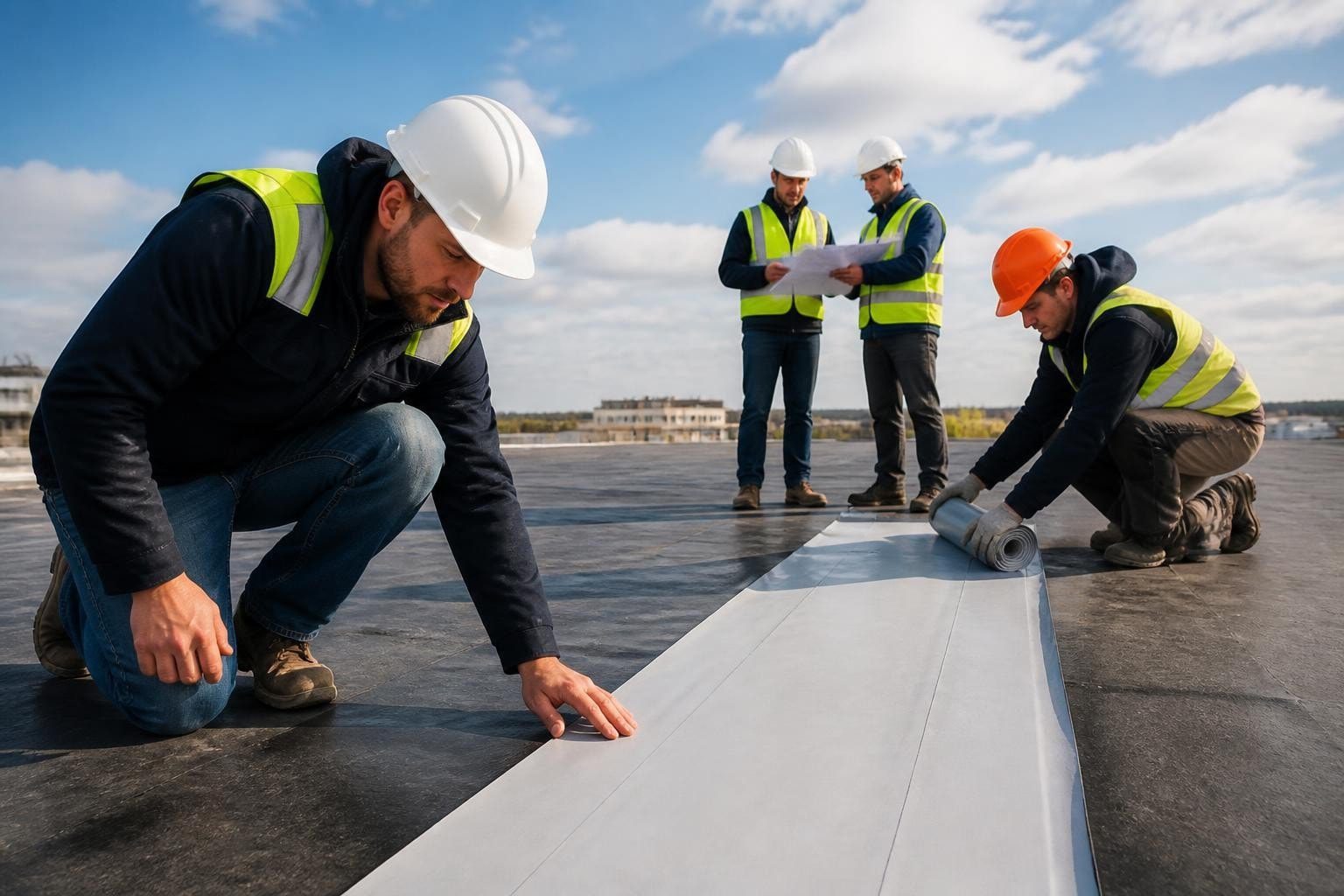
Finding the right professional for flat roof installation near me means weighing up experience, materials, and installation methods carefully. Whether you’re replacing an ageing roof on a commercial property or adding a new flat roof to a residential extension, understanding how the installation process works helps you make better decisions. With the right materials and skilled workmanship, a flat roof can protect your building reliably for decades. If you’re ready to get started, you can view our new flat roof installation services or jump straight to a free quote.
Flat roof technology has moved on considerably over the last twenty years. Today’s systems use multiple layers designed to deliver stronger waterproofing, better insulation, and greater durability. When you search for flat roof installation near me, you’ll come across several main roofing systems, each with its own strengths.
EPDM (Ethylene Propylene Diene Monomer) is one of the most widely used synthetic rubber membranes. This black rubber material stands up well to weather and can last 30 years or more with proper upkeep. It’s usually installed by fully adhering it to the roof deck or fastening it mechanically.
TPO (Thermoplastic Polyolefin) has become increasingly popular thanks to its heat-reflective white surface and welded seams. The heat-welded seams form a watertight bond that’s actually stronger than the membrane itself, which makes TPO a strong choice for commercial jobs.
PVC roofing membranes offer excellent resistance to chemicals and hold up particularly well where there’s regular exposure to oils, fats, or industrial pollutants. It costs more than EPDM or TPO, but it can outlast both in demanding conditions.
We also install fibreglass roofing systems and the Lava 20 system, both popular choices for Irish homes and extensions.
| Material | Average Lifespan | Best Application | Installation Method |
|---|---|---|---|
| EPDM | 25–30 years | Residential extensions | Adhesive or mechanical |
| TPO | 20–30 years | Commercial buildings | Heat-welded seams |
| PVC | 30–40 years | Industrial properties | Heat-welded seams |
| Built-Up Roofing | 15–25 years | Large commercial roofs | Hot tar application |
Traditional built-up roofing (BUR) uses multiple layers of bitumen and reinforcing fabric, and has been protecting commercial buildings for over a hundred years. Modified bitumen takes this further, adding rubber or plastic polymers for extra flexibility and durability.
The flat roof installation process differs quite a bit depending on which material you choose, which affects both timeline and cost.
Getting the installation right is what determines whether your flat roof lasts for decades or needs replacing prematurely. Professional installers follow a systematic process to get the best results.
Before any work starts, a qualified contractor should carry out a thorough site assessment — checking the existing roof structure for adequate slope (usually a minimum of 1/4 inch per foot), structural integrity, and drainage. This step flags up anything that could compromise the new roof.
Preparation typically involves:
Weather plays a big part in scheduling, since most membrane systems need dry conditions and a specific temperature range to bond and seal properly.
Modern building codes call for substantial insulation on flat roofs. Installers usually use rigid foam insulation boards, which provide both thermal performance and a stable base for the waterproofing membrane. The insulation needs to be mechanically fastened or fully adhered based on wind uplift calculations specific to your building’s location and height.
Getting the insulation right prevents thermal bridging and condensation problems that can undermine the whole roof. When you’re researching flat roof installation near me, it’s worth checking that contractors understand the current insulation requirements for your area — see the Building Regulations section below for the current Irish standards.
The membrane installation is the most critical stage. EPDM can be fully adhered, mechanically attached, or ballasted, depending on the application.
For TPO and PVC, installers use hot-air welding equipment to create the seams. This takes skill and experience to get consistent, watertight results — the membrane is rolled out, positioned precisely, and welded in overlapping sections, typically with a minimum 6-inch overlap.
Quality control should include:
Searching for flat roof installation near me should start with checking contractor credentials and reputation. Flat roofing calls for specialised knowledge that goes beyond general roofing experience.
Start by confirming that a contractor holds the right licenses and insurance. Liability insurance and workers’ compensation protect you financially during the installation, so ask for insurance certificates and verify them directly with the provider.
Experience with flat roofing specifically matters a lot — a contractor who mostly works on pitched roofs may not have the expertise a flat roof needs. Ask about their experience with the system you’re considering and request references from similar jobs completed in the last three years. You can see examples of our own completed projects on our work gallery.
Manufacturer certifications show a contractor has had specialised training. Major membrane manufacturers offer certification programmes to make sure installers understand the correct techniques for their products, and certified contractors often offer extended warranty cover as a result.
Worth asking about your specific project:
Ask for detailed written proposals that name the materials by manufacturer and model, along with installation method, timeline, and payment schedule — and compare proposals on overall value, not just price. You’re welcome to get in touch for a written proposal for your own property.
Understanding how pricing works helps you evaluate proposals and budget properly. Flat roof installation costs depend on more than just square footage.
Materials typically make up roughly 40–50% of the total cost. Premium membranes like PVC cost more up front but can offer better long-term value through a longer lifespan and lower maintenance needs. Material choice should always weigh initial cost against lifecycle cost.
Labour costs depend on how complex the project is, how accessible the roof is, and local rates. Roofs with lots of penetrations, complicated drainage, or difficult access take more labour hours and specialised skill, and Dublin rates tend to run higher than more rural parts of the country.
| Cost Component | Percentage of Total | Variables Affecting Price |
|---|---|---|
| Materials | 40–50% | Membrane type, insulation R-value, accessories |
| Labor | 35–45% | Roof complexity, accessibility, local rates |
| Permits/Disposal | 5–10% | Local requirements, existing material volume |
| Contingency | 5–10% | Substrate repairs, unforeseen conditions |
It’s wise to budget for the unexpected. Substrate damage, inadequate structural support, or code compliance upgrades discovered mid-installation can push costs up significantly. Good contractors either build a contingency into their estimate or are upfront about potential extra costs.
Disposal costs for old roofing materials have gone up in recent years too, and some materials need special handling rather than going to standard landfill — worth discussing disposal methods and costs explicitly when reviewing a proposal.
Following proper industry practice is what gives you a roof that performs well and lasts. Knowing these standards helps you assess proposals and keep an eye on work quality.
Slope matters more than the name “flat roof” suggests — a truly flat roof causes drainage problems. A minimum slope of 1/4 inch per foot directs water toward the drainage points and prevents ponding, which speeds up membrane wear.
Flashing and termination details need particular care, since these are the transition points where the membrane meets walls, curbs, or roof edges — and the most common place for failures. Good installations use multiple layers of reinforcement, the right adhesives, and secure mechanical fastening in these spots.
Seam integrity is what determines how waterproof the roof actually is. Heat-welded seams on TPO and PVC need to be consistent in width and strength, smooth and uniform, with no voids or incomplete bonds — and contractors should test seam strength as they go.
Temperature and moisture have a real effect on installation quality. Most membrane adhesives need a minimum temperature (typically 4–10°C) to cure properly, and installing in wet conditions or outside the manufacturer’s recommended temperature range can void warranties and hurt performance.
A good contractor keeps a close eye on the forecast and adjusts the schedule accordingly, and protects any partially completed work from the weather between sessions.
Searching for flat roof installation near me in Dublin means factoring in the local climate and building requirements — Ireland’s maritime climate brings its own considerations for flat roof systems.
Dublin’s frequent rain and moderate temperatures suit certain roofing systems particularly well. EPDM performs strongly here, staying flexible through temperature swings while keeping water out reliably, and its track record in similar climates makes it a popular pick for both homes and commercial buildings.
Wind exposure varies a lot across Dublin depending on location and building height. Coastal properties face stronger wind loads and usually need enhanced mechanical fastening or a fully adhered system rather than a ballasted one.
Irish building regulations set requirements for thermal performance, fire resistance, and weather protection — you can review the current Technical Guidance Documents from the Department of Housing for full details. Flat roof installations need to hit minimum U-values for thermal transmittance, which usually means a decent thickness of insulation.
Planning permission requirements vary depending on the scope of the project — simple like-for-like replacements often fall under exempted development, while new installations or bigger alterations may need a formal planning application. A qualified local contractor will know how to navigate this efficiently.
Flat Roof Repair Services brings over 25 years of specialised experience to flat roof installations throughout Dublin, combining expert craftsmanship with a comprehensive 25-year guarantee that reflects real confidence in the quality of the work. Read more about our team.
Even a perfectly installed flat roof needs regular maintenance to reach its full lifespan. When choosing who to go with for flat roof installation near me, it’s worth asking about maintenance requirements and ongoing support.
Professional inspections should happen at least twice a year, typically in spring and autumn. These catch minor issues early, before they turn into costly repairs. Inspectors will check drainage, seam integrity, flashings, and the general condition of the membrane.
Inspection priorities include:
After severe weather, it’s worth arranging an extra inspection to catch storm damage early — and many insurance policies actually require documented maintenance for cover to remain valid.
Simple upkeep goes a long way toward extending a roof’s life. Keeping drains clear stops water building up and ageing the membrane faster, and trimming back overhanging vegetation cuts down on debris and prevents physical damage from branches.
Some contractors offer maintenance agreements with scheduled inspections and priority repair service, often including documentation that’s useful for warranty claims or when selling the property.
Understanding your warranty protects your investment. Flat roof warranties usually come in two parts — materials and workmanship — each with its own terms and limits.
Membrane manufacturers typically offer warranties of 10 to 30 years depending on the product and installation standard. These generally cover defects in the membrane itself, but not damage from poor installation, lack of maintenance, or outside factors.
Extended warranties usually require a certified installer and may specify particular installation methods or complementary products. The extra cost is often worth it for the long-term protection, and cover can sometimes transfer to future owners of the property.
Separate from the material warranty, contractors also guarantee their own workmanship. Good installers typically offer 5–10 year workmanship warranties covering installation defects and the labour to fix them — this covers problems caused by poor installation technique rather than material failure. Our own installations are backed by a 25-year guarantee — details are on our about page.
Read the warranty terms carefully before work begins. Understand what maintenance is required, what documentation you’ll need, and how to make a claim — many warranties become void without proper maintenance records, or if unauthorised repairs are carried out.
Even experienced contractors run into challenges during flat roof installation. Understanding the common ones helps you appreciate why professional expertise matters when you’re researching flat roof installation near me.
Sometimes the existing roof structure reveals hidden problems once preparation starts — deteriorated decking, inadequate structural support, or old moisture damage that needs sorting before the membrane goes on. Addressing substrate issues properly, rather than skipping over them, is essential.
A good contractor includes a thorough substrate inspection in their scope and communicates clearly about anything they find, offering solutions with clear cost implications rather than pressing ahead on inadequate preparation.
Good drainage design stops ponding water from shortening the membrane’s life. Fixes might include tapered insulation to create a slope, adding drain locations, or upgrading drainage capacity — these add cost, but they’re essential for long-term performance.
Temperature changes during installation can also affect how the membrane sits and how well the seams align. Experienced installers account for thermal expansion and contraction, letting the material settle before final seaming and securing.
How long a project takes depends on the size of the roof, its complexity, and the weather. Knowing what’s realistic helps with planning and expectations.
Planning and preparation usually takes 1–2 weeks for developing the proposal, ordering materials, and sorting permits — custom-made components or specialty materials can extend this.
Actual installation on an average residential flat roof (500–1,000 square feet) usually takes 3–5 days of work. Larger commercial projects can run several weeks, and weather delays can push timelines out further, particularly in autumn and winter.
Post-installation inspection and cleanup usually happens within a week of finishing the membrane, and in many areas a building inspector needs to sign off before final payment.
The flat roofing industry keeps evolving, with new materials and techniques improving both performance and efficiency.
Cool roof technology uses highly reflective membranes to cut building cooling costs and reduce the urban heat island effect. White TPO and PVC membranes can reflect up to 85% of solar radiation, keeping the roof surface noticeably cooler than traditional dark membranes.
Self-adhering membranes remove the need for adhesives or heat welding in some applications, simplifying installation while still performing well — particularly suited to smaller residential jobs where mobilising equipment affects the overall cost.
Modern hot-air welding equipment gives precise temperature control and even heat distribution, improving seam quality and consistency. Automated seam welders, used on large commercial projects, boost productivity without sacrificing quality.
Digital moisture detection tools can identify wet insulation or substrate areas that might compromise a new roof, allowing for targeted repairs instead of a complete tear-off in some cases.
When you’re evaluating contractors for flat roof installation near me, it’s worth asking what equipment they use and whether they’re willing to adopt proven new technology that improves quality and efficiency.
Choosing the right materials, a qualified installer, and a proper maintenance plan means your flat roof investment will deliver decades of reliable protection. Whether you need a brand-new installation or a replacement for an ageing system, Flat Roof Repair offers the specialised expertise and proven track record to deliver excellent results, backed by a comprehensive 25-year guarantee. Contact us today for a free quote.
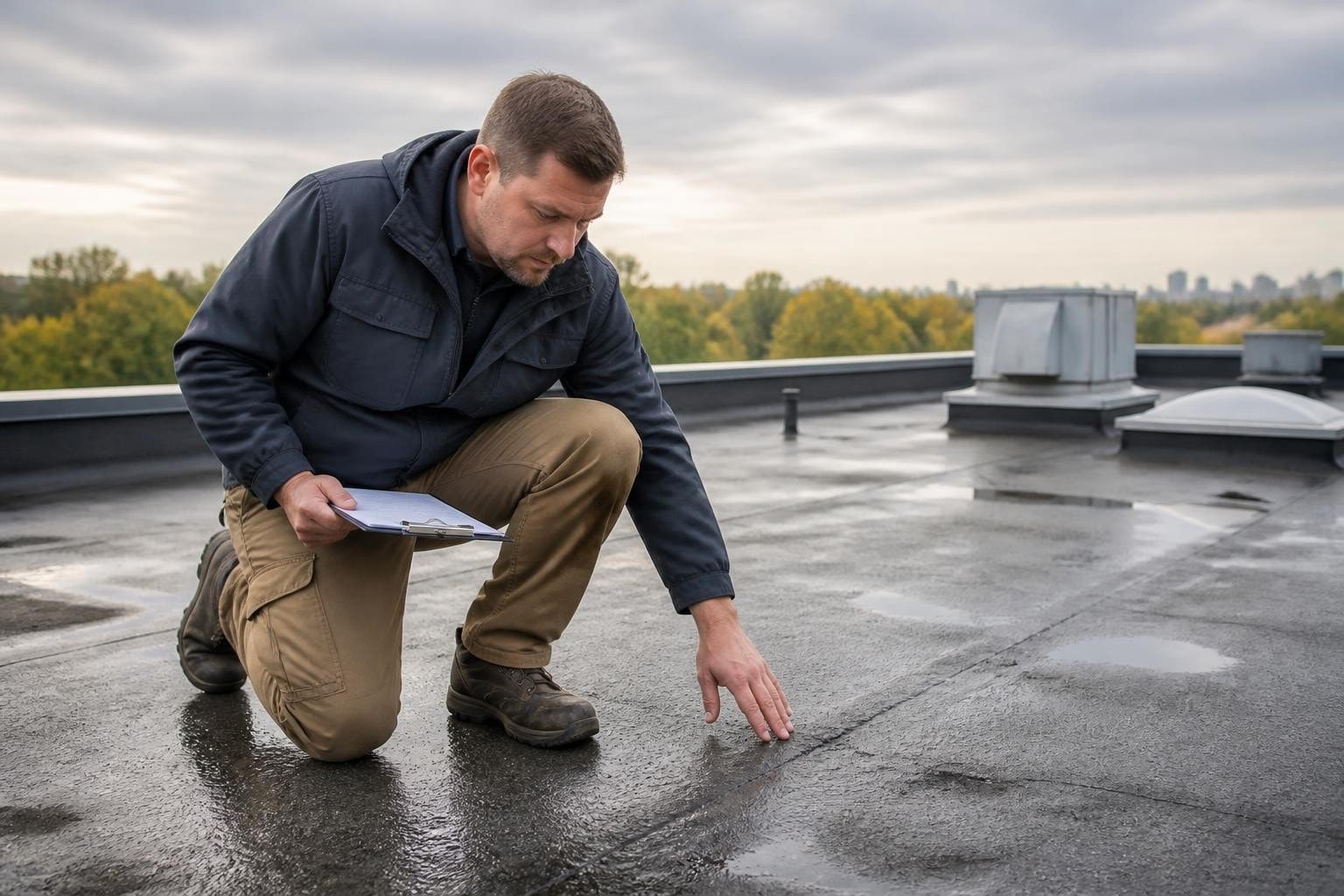
Roof Inspection and Repair: A Complete Guide for 2026
15 July 2026
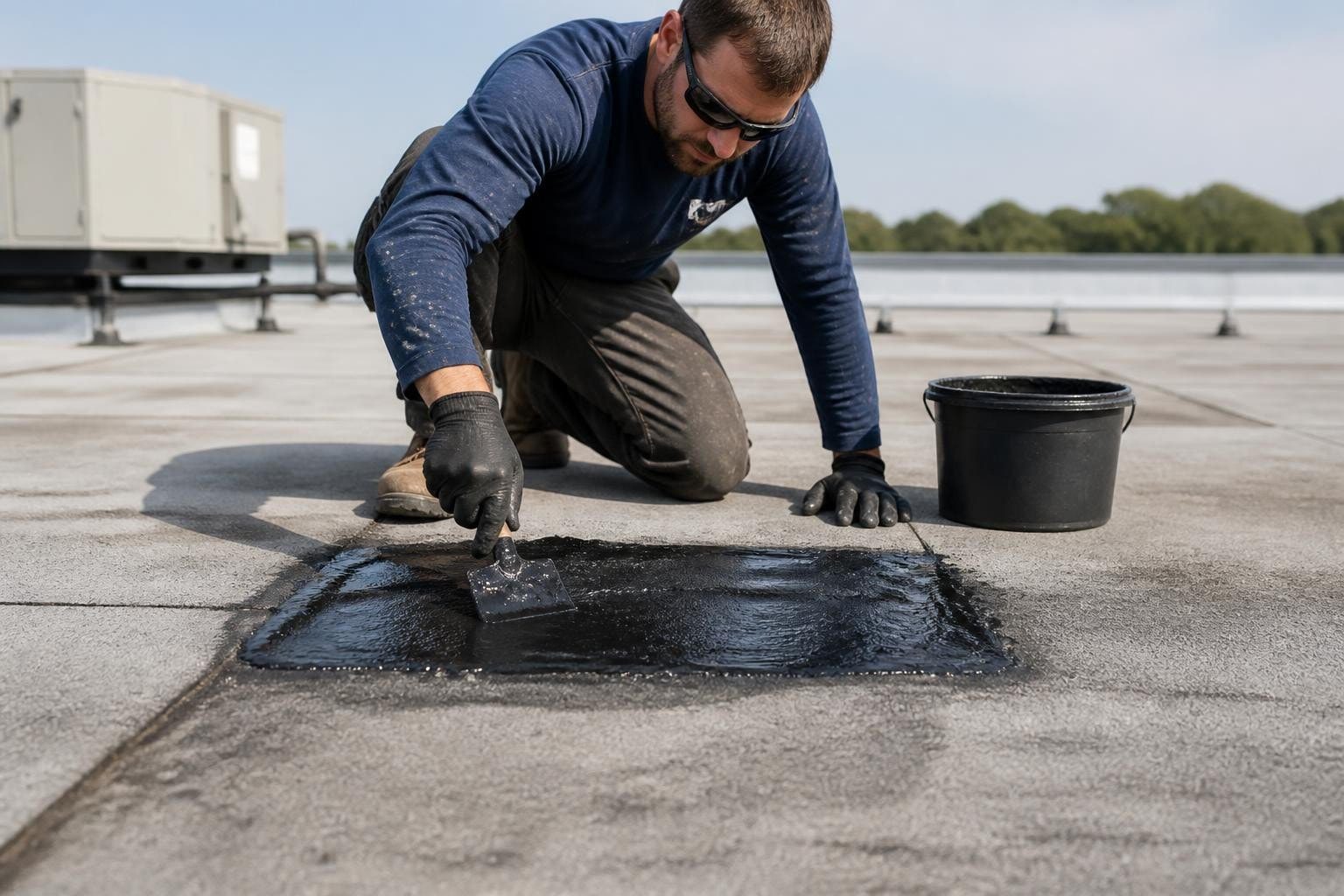
Roof Repair Patch: Complete Guide for Flat Roofs
14 July 2026
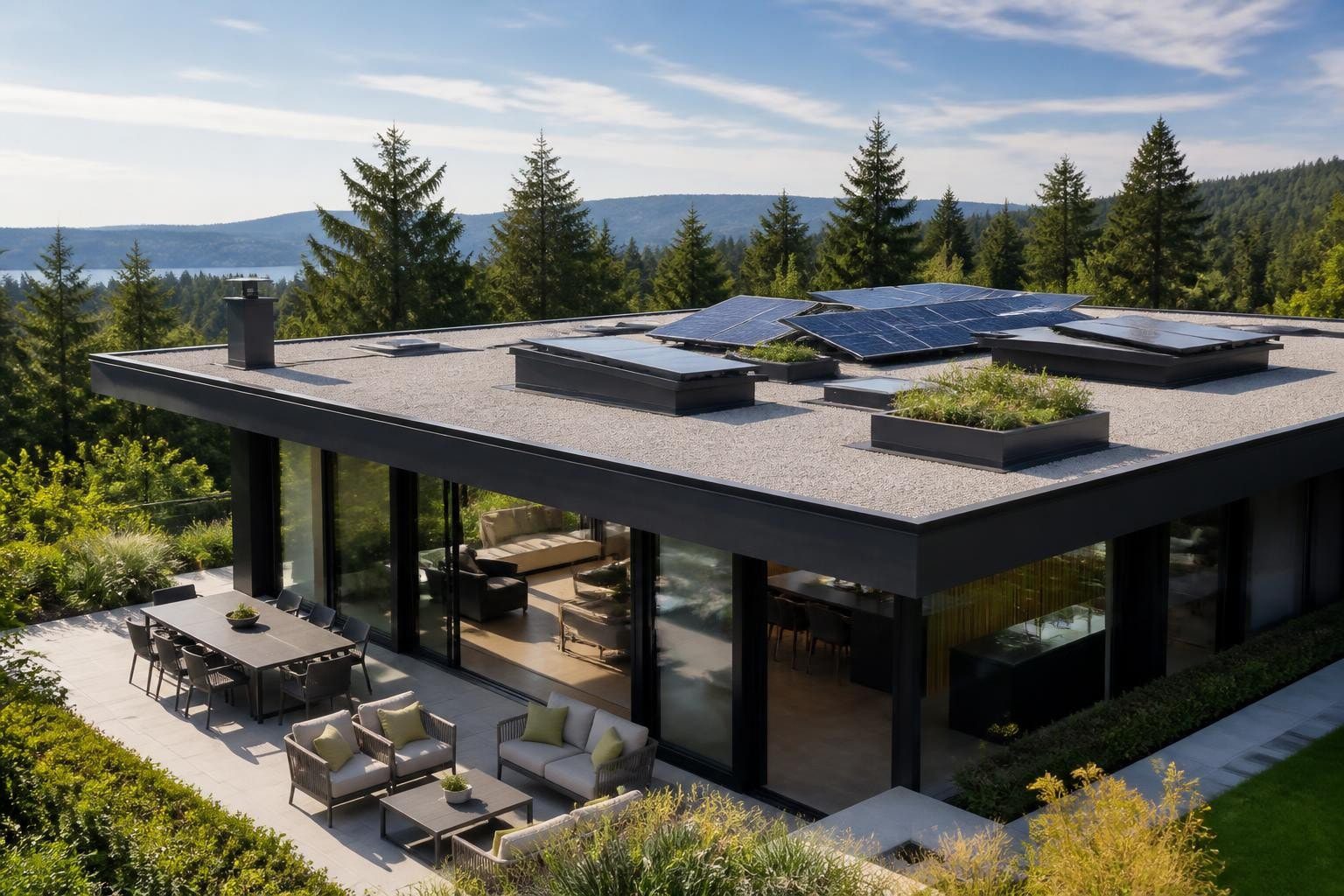
Flat Roof Home: Design, Benefits & Considerations
13 July 2026
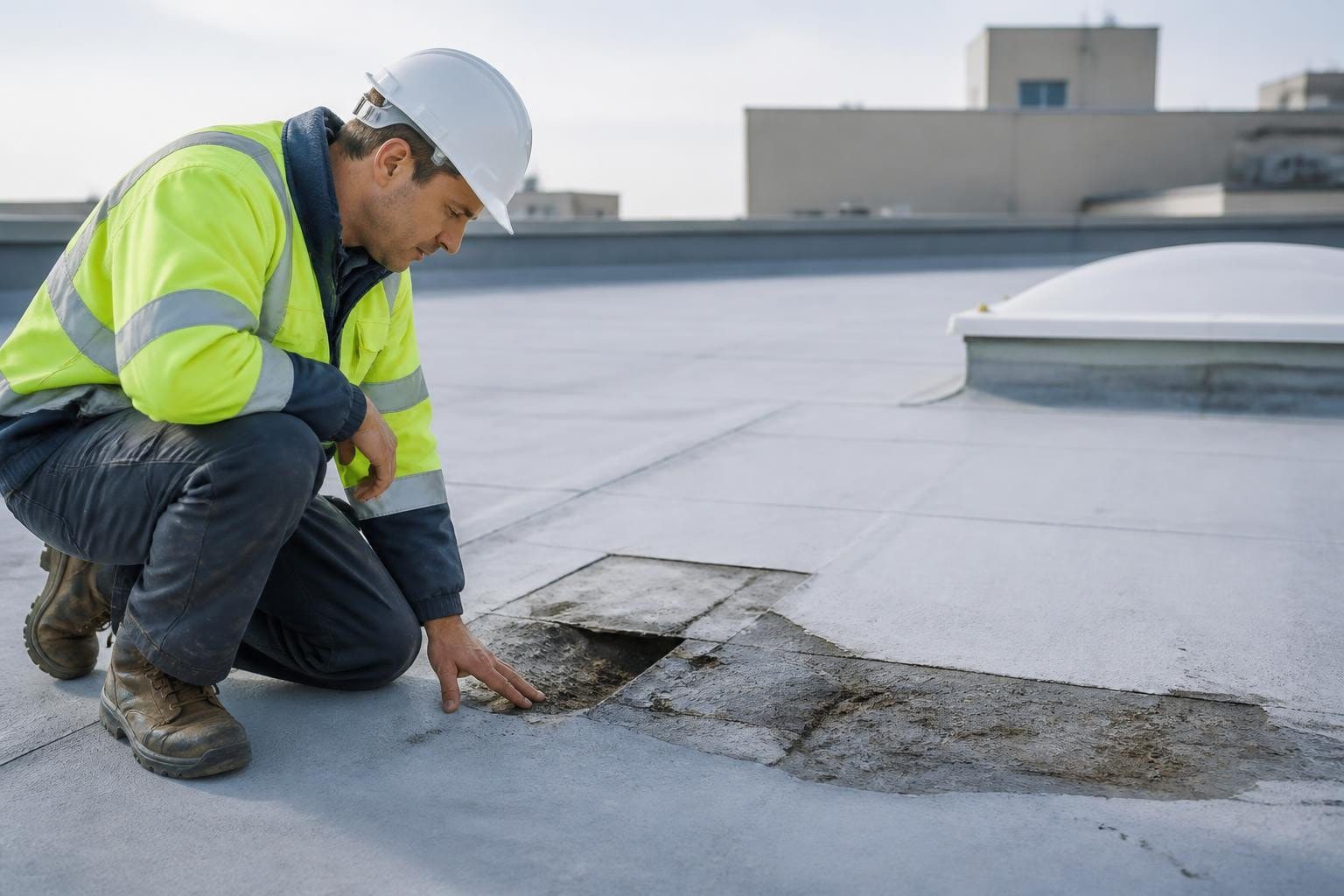
Membrane Roof Repair: Professional Guide for 2026
12 July 2026
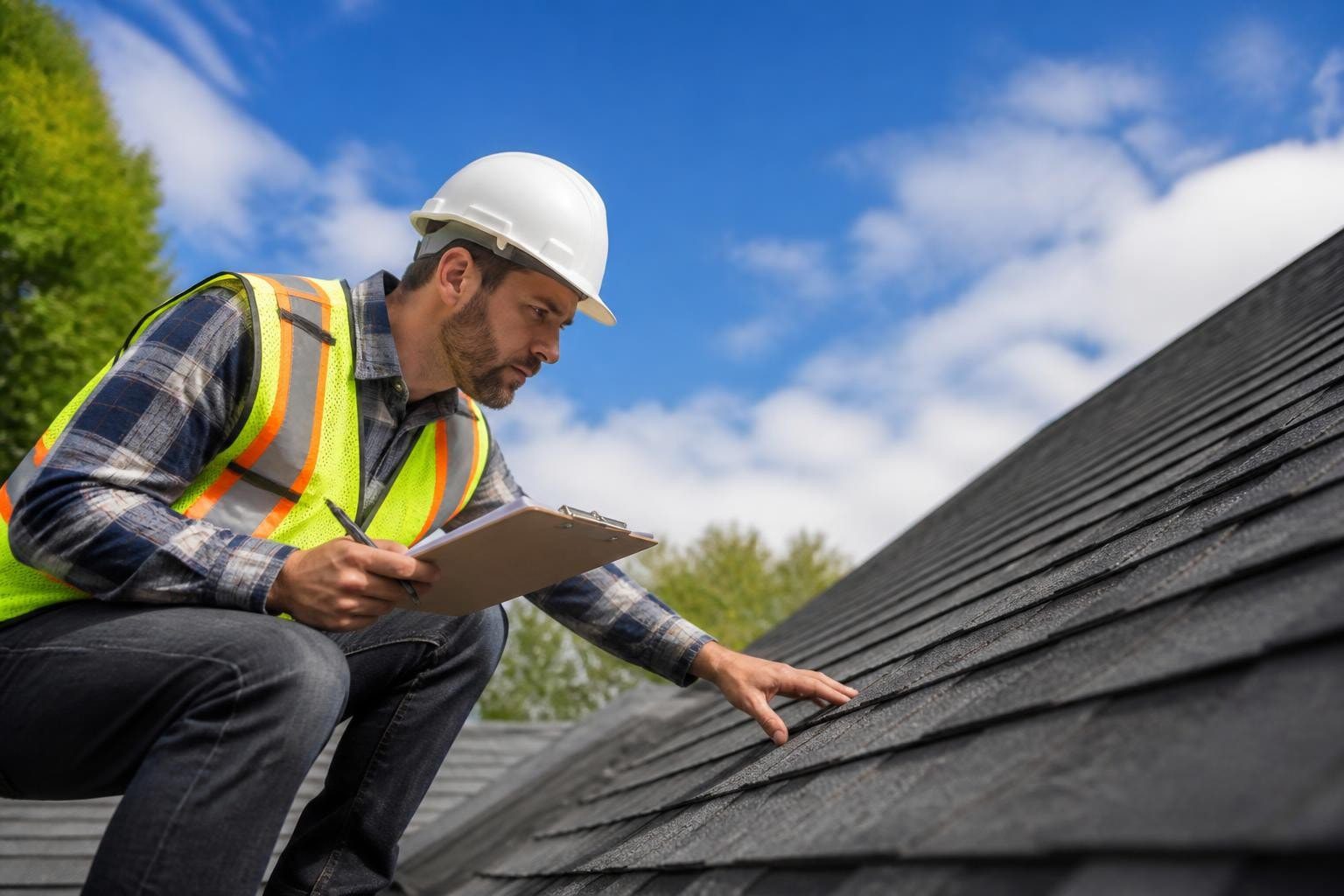
Roofing Assessment: Expert Guide for Property Owners
11 July 2026

ExpertiseExpertise
With over two decades of experience, our certified roofing specialists are the best in the business.

UnmatchedUnmatched
Our Lava 20 system guarantees top-notch durability, backed by a solid 25-year guarantee.

Customer-CentricCustomer-Centric
At Flat Roof Repair Services, customer satisfaction is our top priority.
 Let’s get started on your flat roof project today. Contact us for a free consultation and
discover how our expert roofing solutions can benefit your property.

2 years ago
Thank you @flatroofrepairservices for an amazing experience. All aspects of the job were explained from start to finish. Very friendly, competent and diligent team with expert knowledge and skill.
2 years ago
A great company with great flat roof experience thank you for repairing our flat roof.
2 years ago
Hired this company to carry out our new flat roof installation I must say from start to finish they were fantastic to work with our new flat roof installation is fantastic and we got a really great price. Thank you guys
2 years ago
I had an issue of roof leaking. I got best flat roofer in Dublin from Google search and they fixed roof leaking immediately. They gave me best quote for my new house flat roofing installation too. I am satisfied with his expert crew. Highly recommend Darren Flat roofer crew in Dublin
3 years ago
Was a pleasure to have these lads do my flat roof everything was done exactly how I wanted it dine and left to tidy and neat great people to deal with thanks so much darren
3 years ago
Exceptional Service and Outstanding Results! I recently had the pleasure of working with Flat Roof Repair Services for the installation of my flat roof, and I couldn't be more pleased with the outcome. From the initial consultation to the completion of the project, their team demonstrated professionalism, expertise, and a genuine commitment to customer satisfaction. The quality of workmanship is evident in every detail of our new roof. It's not only functional but also enhances the overall appearance of our property. The team was timely, efficient, and kept me informed throughout the process, making it a seamless and stress-free experience. I am delighted to be a very satisfied customer and would highly recommend Flat Roof Repair Services to anyone in need of a reliable and high-quality roofing solution. Their dedication to excellence is truly commendable, and it's clear they take great pride in their work. A heartfelt thank you to the entire team for their exceptional service.