charlene gannon
2 years ago


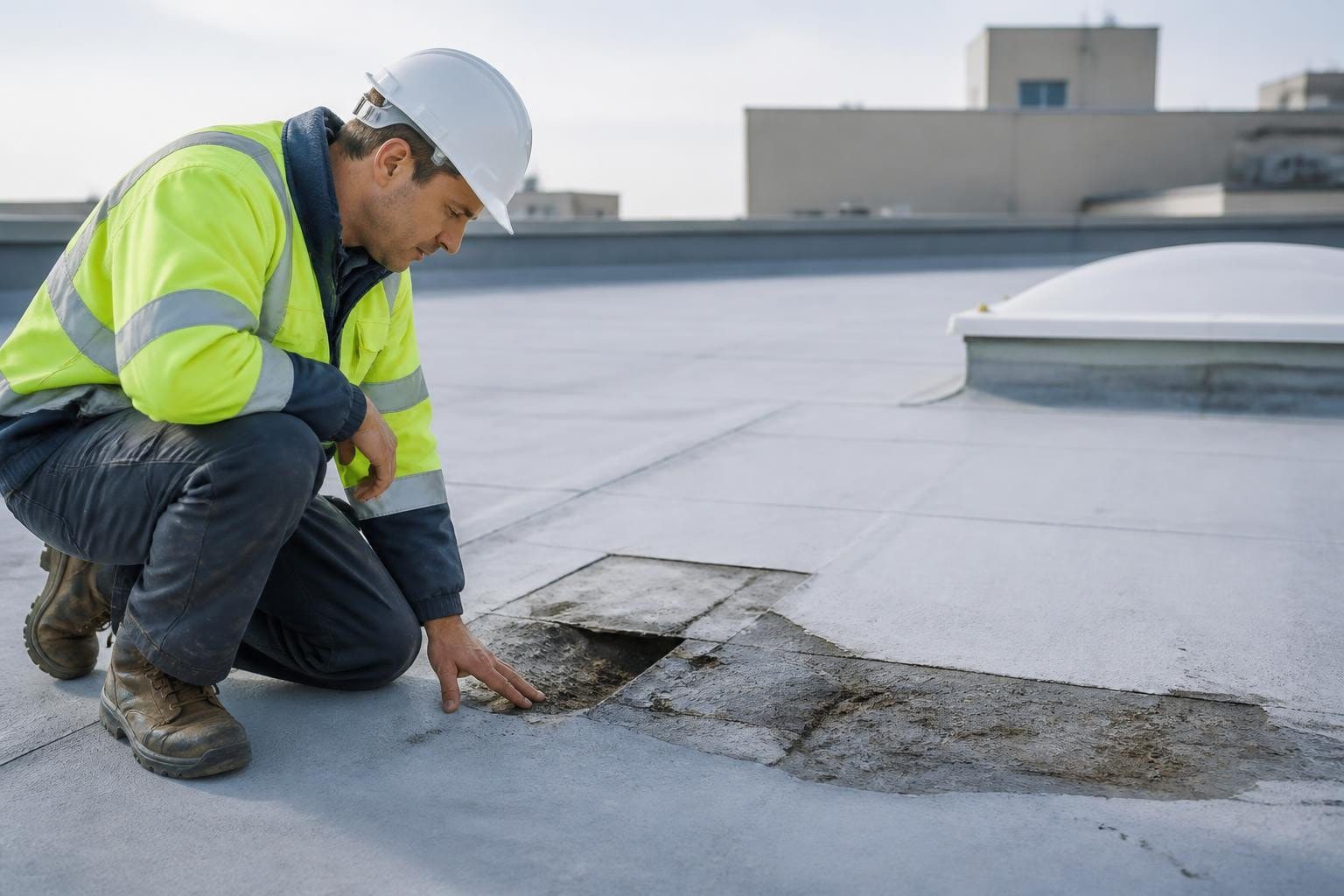
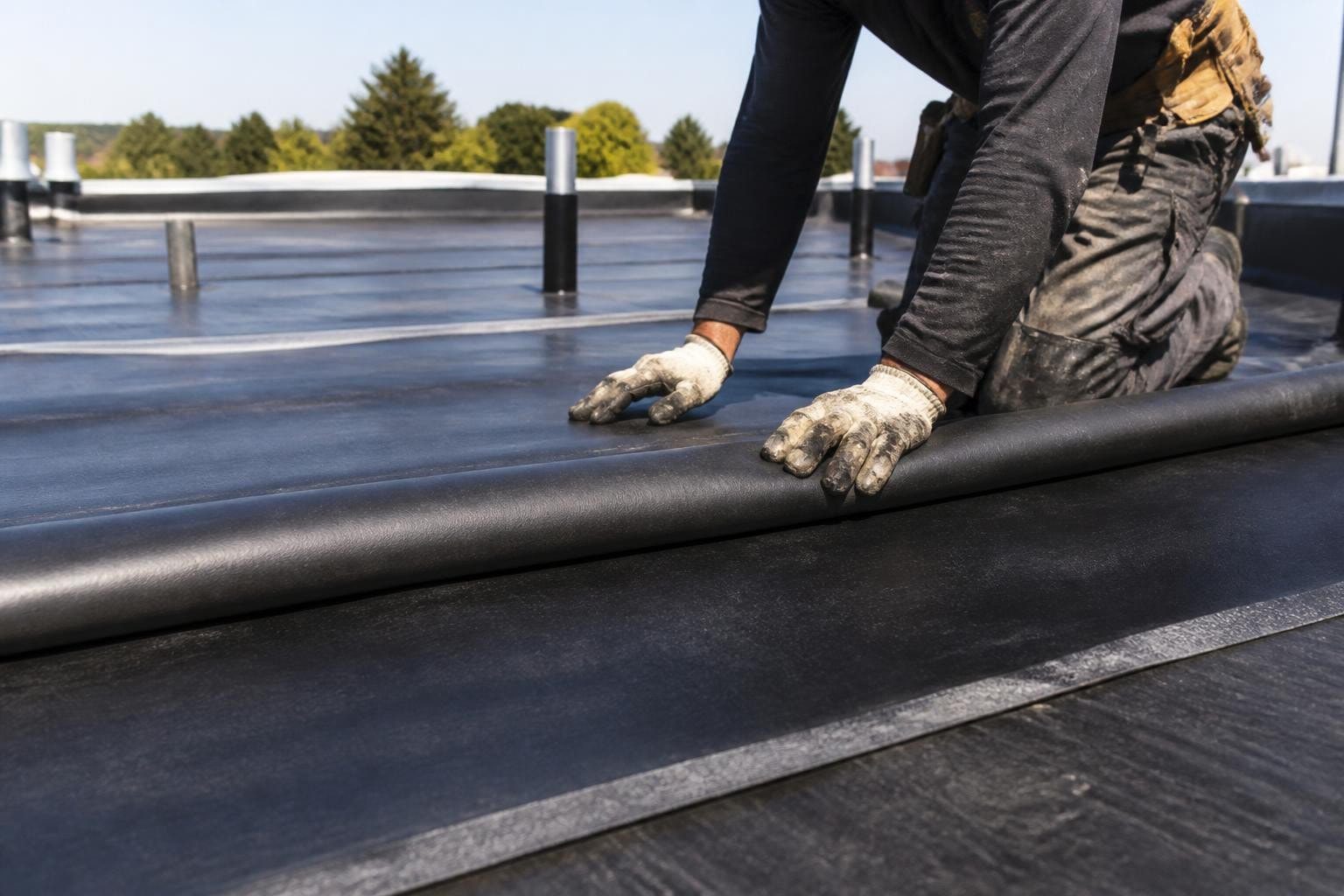
Membrane roofing systems have become the standard choice for flat and low-slope commercial buildings across Dublin and Ireland. These single-ply synthetic materials offer exceptional waterproofing performance, but even the most durable membranes eventually require maintenance and repairs. Understanding the proper techniques for membrane roof repair ensures your building remains protected from water damage while maximizing the lifespan of your roofing investment. Whether dealing with punctures, seam failures, or age-related deterioration, addressing membrane issues promptly prevents costly structural damage and maintains building integrity.
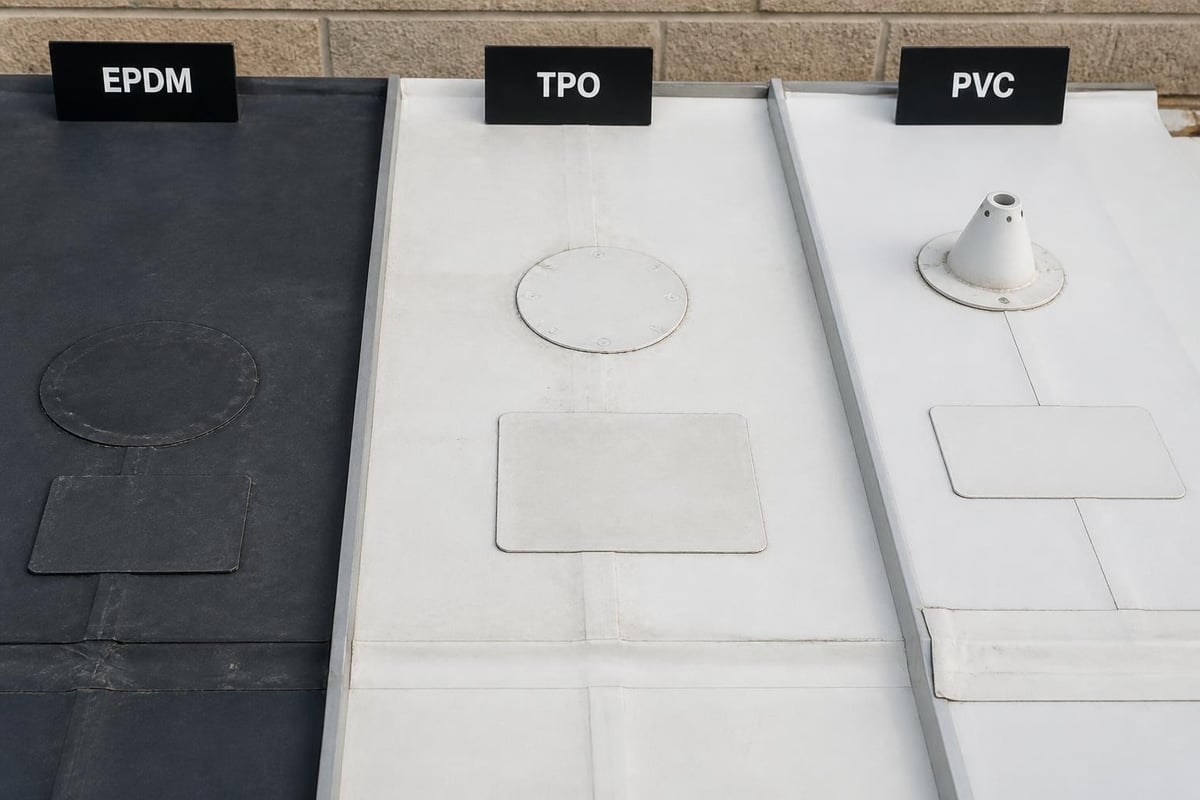
Membrane roofing encompasses several distinct material types, each with unique characteristics and repair requirements. The three primary membrane systems include EPDM (ethylene propylene diene monomer), TPO (thermoplastic polyolefin), and PVC (polyvinyl chloride). EPDM represents a thermoset rubber material known for durability and weather resistance, while TPO and PVC are thermoplastic membranes that can be heat-welded during installation and repair.
Each membrane type responds differently to environmental stresses and aging. EPDM typically shows signs of wear through shrinkage and seam separation, particularly around perimeters and penetrations. TPO membranes may experience issues with seam integrity and UV degradation over time. PVC systems, while highly resistant to chemicals and ponding water, can develop brittleness in extreme temperature fluctuations.
The substrate beneath the membrane also plays a critical role in system performance. Membranes may be installed over various deck types including concrete, metal, and wood, with insulation layers affecting how repairs must be approached. Understanding your specific system configuration is essential before attempting any membrane roof repair work.
Identifying the specific type of damage guides the appropriate repair strategy. The National Roofing Contractors Association provides comprehensive guidelines covering various membrane repair scenarios that professionals reference regularly.
Physical damage from foot traffic, equipment installation, or falling debris creates the most obvious repair needs. Small punctures under two inches typically require simple patching, while larger tears may necessitate more extensive membrane replacement. Sharp objects, HVAC equipment, and satellite dishes frequently cause this type of damage.
Wind uplift can also create tears along fastener lines or at seams where the membrane pulls against attachment points. These wind-related damages often occur in patterns that indicate broader systemic issues requiring comprehensive assessment beyond simple patching.
Seam integrity represents the most critical factor in membrane waterproofing performance. Both adhered and heat-welded seams can separate due to improper installation, thermal cycling, or material aging. EPDM membrane shrinkage particularly affects seam performance as the material contracts over time, pulling away from walls, curbs, and penetrations.
TPO and PVC seam failures often result from inadequate heat-welding during installation or subsequent membrane movement. These failures may not be immediately visible, as water can track considerable distances beneath the membrane before appearing as interior leaks.
Trapped moisture or air beneath the membrane creates blisters that compromise system integrity. Small blisters may not immediately leak but represent weak points vulnerable to puncture. Large blisters indicate more serious problems with substrate moisture or adhesive application.
Wrinkles form when membranes are installed without proper tension or when thermal expansion and contraction cause material buckling. While cosmetic in appearance, wrinkles create stress points where cracks and splits eventually develop.
Successful membrane roof repair requires matching the repair method to both the membrane type and damage extent. Surface preparation stands as the most critical factor determining long-term repair performance.
All membrane repairs demand absolutely clean, dry surfaces. Contamination from dirt, oils, or moisture prevents proper adhesion regardless of repair material quality. Professional contractors follow strict protocols:
Rushing surface preparation represents the primary cause of repair failures. Even small amounts of moisture or contamination create pathways for water intrusion beneath repair patches.
EPDM membrane roof repair typically utilizes either tape or liquid adhesive applications. The repair procedures for EPDM systems emphasize proper cleaning and priming as essential steps before applying repair materials.
For small punctures, self-adhering EPDM tape provides quick, reliable repairs when surfaces are properly prepared. Larger repairs require liquid adhesives with EPDM patches extending at least six inches beyond the damaged area in all directions. Two-part adhesives offer superior bonding strength but require precise mixing and application timing.
| Repair Type | Patch Extension | Adhesive Type | Cure Time |
|---|---|---|---|
| Small Puncture (<2") | 3 inches minimum | Tape or liquid | 24 hours |
| Large Tear (2-12") | 6 inches minimum | Liquid adhesive | 48 hours |
| Seam Repair | 6 inches minimum | Two-part adhesive | 72 hours |
Seam repairs demand particular attention to detail. Failed seams must be thoroughly cleaned, re-primed, and resealed with fresh cover strips that overlap the original seam by adequate margins.
Thermoplastic membranes benefit from heat-welding capabilities that create essentially monolithic repairs. TPO membrane leak repairs require identifying the actual failure mode before selecting repair techniques, as different issues demand different approaches.
Heat-welding remains the preferred method for TPO and PVC repairs. Professional contractors use hot-air welding equipment to fuse patches directly to existing membrane, creating bonds as strong as the original material. This requires:
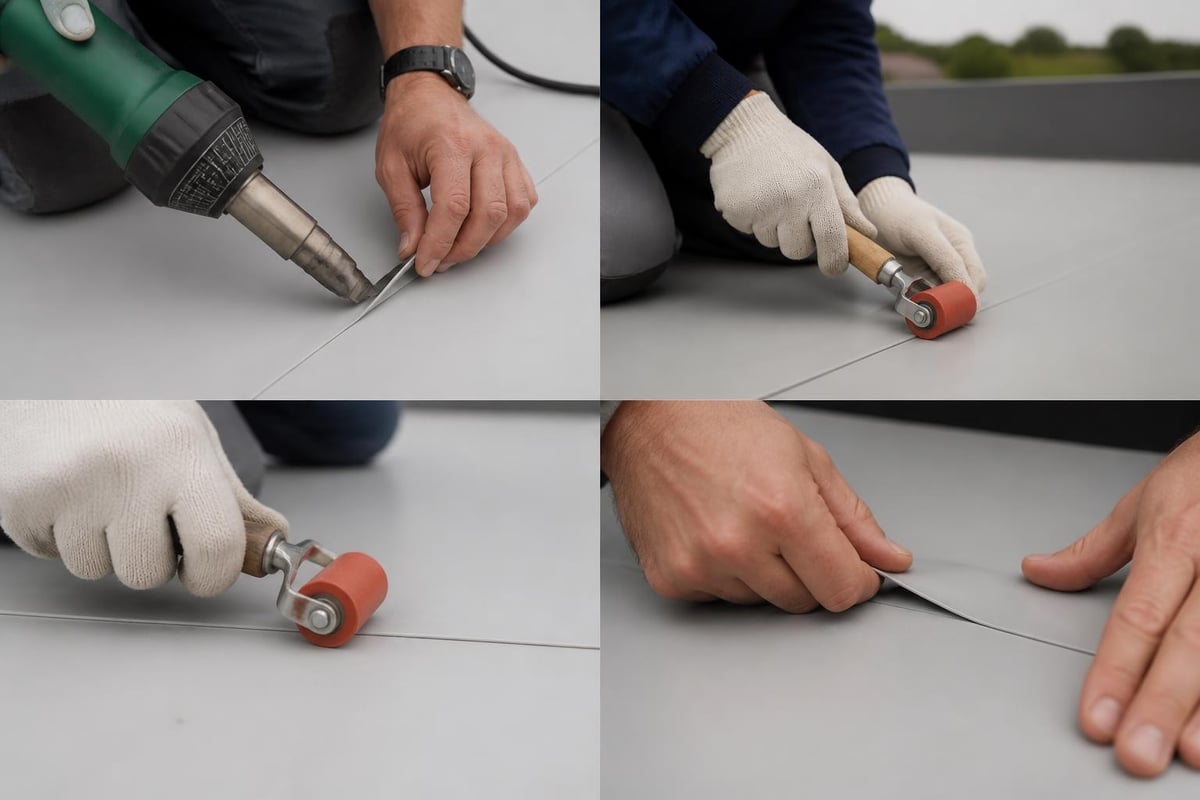
Cold-applied adhesive systems also exist for TPO and PVC when weather conditions prevent heat-welding or when working in confined spaces. These systems require compatible primers and adhesives specifically formulated for thermoplastic membranes.
Modified bitumen systems present unique repair challenges due to their multi-ply construction. Torch-down roof repair options include re-torching failed seams, applying granulated cap sheets over damaged areas, or using cold-applied materials for smaller issues.
For localized damage, professionals often apply self-adhering modified bitumen patches that bond through asphalt-based adhesives. Larger repairs may require torch-applied cap sheets that melt into existing membrane surfaces. Safety considerations make torch applications suitable only for experienced professionals with proper equipment and training.
Not all membrane damage presents as obvious tears or punctures. Tiny holes in commercial roofing membranes create frustrating leak scenarios where water intrusion occurs but damage locations remain difficult to pinpoint.
Flood testing represents the most reliable method for identifying small holes. Contractors section off roof areas with temporary dams, fill sections with water, and monitor for leaks from below. This time-intensive process definitively locates problem areas that visual inspection misses.
For membranes with widespread age-related deterioration, coating systems offer cost-effective alternatives to complete replacement. Silicone and acrylic coatings can seal numerous small defects while adding years to membrane lifespan. These systems work best on structurally sound membranes showing surface-level aging rather than catastrophic failures.
Regular maintenance prevents minor issues from becoming major membrane roof repair projects. Dublin's climate presents specific challenges including frequent rainfall, temperature fluctuations, and occasional severe weather events that stress membrane systems.
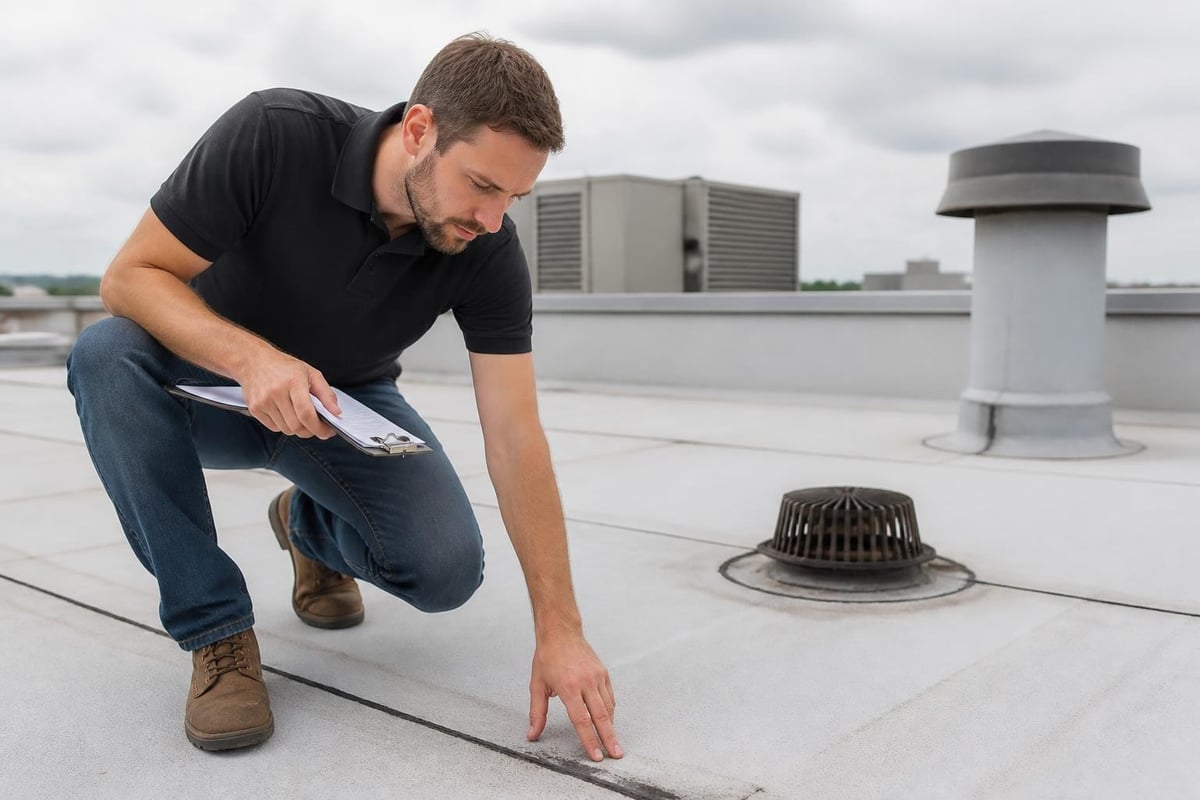
Professional roofing contractors recommend semi-annual inspections at minimum, with additional checks following severe weather. These inspections should document:
Early detection of seam separation, blistering, or surface wear allows for targeted repairs before water infiltration damages substrates and building interiors.
Standing water and accumulated debris accelerate membrane deterioration. Regular cleaning removes leaves, dirt, and other materials that retain moisture and promote biological growth. Ensuring drains remain clear prevents ponding that stresses membrane materials and seam adhesion.
Chemical residues from nearby industrial operations or HVAC exhaust also damage certain membrane types. TPO particularly shows sensitivity to oils and solvents that can migrate from roof-mounted equipment. Regular cleaning with manufacturer-approved products removes these contaminants before they compromise membrane integrity.
Determining whether membrane roof repair makes financial sense compared to replacement requires honest assessment of several factors. Age, damage extent, and remaining service life all influence this decision.
Membrane repairs make sense when:
Individual property owners must weigh immediate repair costs against long-term building protection. Sometimes investing in quality repairs extends membrane life sufficiently to defer replacement during more favorable economic conditions.
Complete membrane replacement becomes the prudent choice when damage is widespread, the system has exceeded its design life, or underlying deck and insulation have sustained water damage. Attempting to repair extensively deteriorated membranes often proves futile as new leaks develop faster than repairs can be completed.
The Canadian Roofing Contractors Association’s repair guidelines emphasize evaluating overall system condition rather than simply addressing individual failures.
While property owners can perform visual inspections and basic maintenance, professional membrane roof repair requires specialized knowledge, equipment, and materials. Attempting DIY repairs often voids manufacturer warranties and creates liability issues when improper techniques cause additional damage.
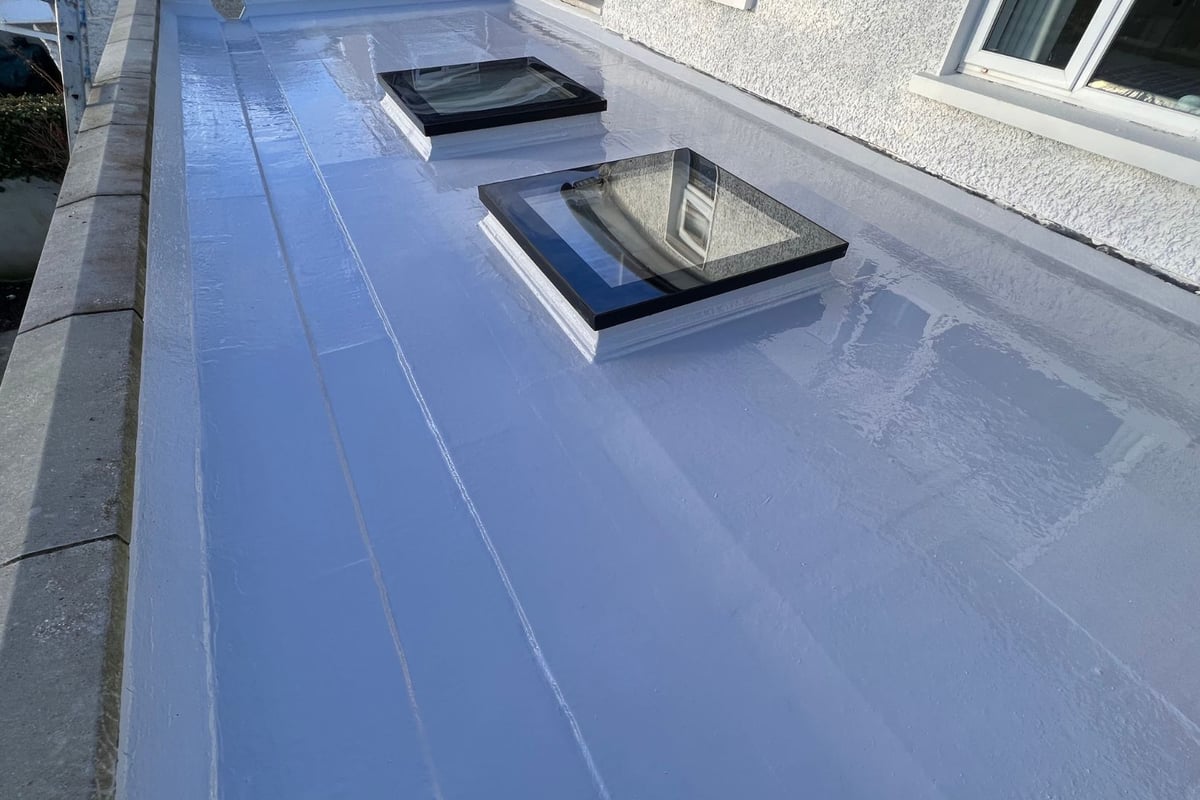
For property owners in Dublin seeking reliable roofing solutions, Flat Roof Repair Services brings over 25 years of specialized experience to every project, combining technical expertise with a commitment to long-term customer satisfaction and comprehensive warranty protection. Their team understands the specific challenges that Irish weather patterns present to membrane roofing systems.
Choosing qualified contractors requires verifying several key qualifications:
Requesting multiple detailed quotes allows comparison of approaches and pricing. The lowest bid rarely represents the best value when quality materials and proper techniques are compromised.
Reputable contractors stand behind membrane roof repair work with substantial warranties. Material warranties from manufacturers typically range from 10 to 30 years depending on membrane type and system configuration. Workmanship warranties from contractors should provide at least 5 to 10 years of coverage.
Review warranty exclusions carefully. Most warranties void if unauthorized modifications occur, if proper maintenance isn't performed, or if building alterations stress the roofing system. Understanding these conditions prevents disputes when issues arise.
Not all repair materials offer equivalent performance. Professional contractors source materials from established manufacturers with proven track records. DuPont’s technical guidelines exemplify the detailed specifications that quality manufacturers provide for their products.
Repair materials must be compatible with existing membrane chemistry. Using incompatible adhesives or patches can actually accelerate deterioration rather than prevent it. EPDM repairs require EPDM-specific products, TPO repairs need TPO-compatible materials, and PVC systems demand PVC-formulated adhesives.
Cross-contamination between membrane types represents a common error. Even small amounts of incompatible materials can prevent proper bonding and create leak pathways. Professional contractors maintain separate tools and equipment for different membrane types to prevent this issue.
Modern membrane roof repair increasingly incorporates sustainable practices and materials. Low-VOC adhesives, recyclable membrane materials, and coating systems that reduce energy consumption through reflectivity all contribute to environmentally responsible repairs.
Reflective coatings applied during repair work can significantly reduce cooling costs by reflecting solar radiation rather than absorbing it. These energy-saving benefits often justify coating applications even when base membrane condition might not otherwise require them.
Maintaining detailed records of all membrane roof repair work provides valuable information for future maintenance and repair decisions. Comprehensive documentation should include:
This documentation proves particularly valuable when selling property, as prospective buyers can review roofing history and remaining warranty coverage. It also helps future contractors understand system configuration and previous repair approaches when additional work becomes necessary.
Digital record systems make storing and accessing this information convenient. Cloud-based platforms allow multiple stakeholders including property managers, maintenance staff, and contractors to access current roof documentation from any location.
Membrane roof repair costs vary significantly based on damage extent, membrane type, accessibility, and regional labor rates. Understanding these cost drivers helps property owners budget appropriately and evaluate contractor proposals.
| Cost Factor | Impact Level | Typical Range |
|---|---|---|
| Small patch (<10 sq ft) | Low | €200-€500 |
| Large repair (50-100 sq ft) | Medium | €800-€2,000 |
| Seam repair (per linear foot) | Variable | €15-€40/ft |
| Coating application (per sq ft) | Medium-High | €8-€15/sq ft |
Emergency repairs typically command premium pricing due to immediate response requirements and potential after-hours work. Regular maintenance and prompt attention to minor issues help avoid these emergency situations.
Professional membrane roof repair requires matching appropriate techniques and materials to specific damage types while maintaining compatibility with existing roofing systems. Whether addressing small punctures, failed seams, or widespread deterioration, proper surface preparation and quality materials determine long-term repair success. For Dublin property owners seeking expert membrane roofing solutions backed by decades of experience and comprehensive warranties, Flat Roof Repair delivers professional service that protects your building investment for years to come.
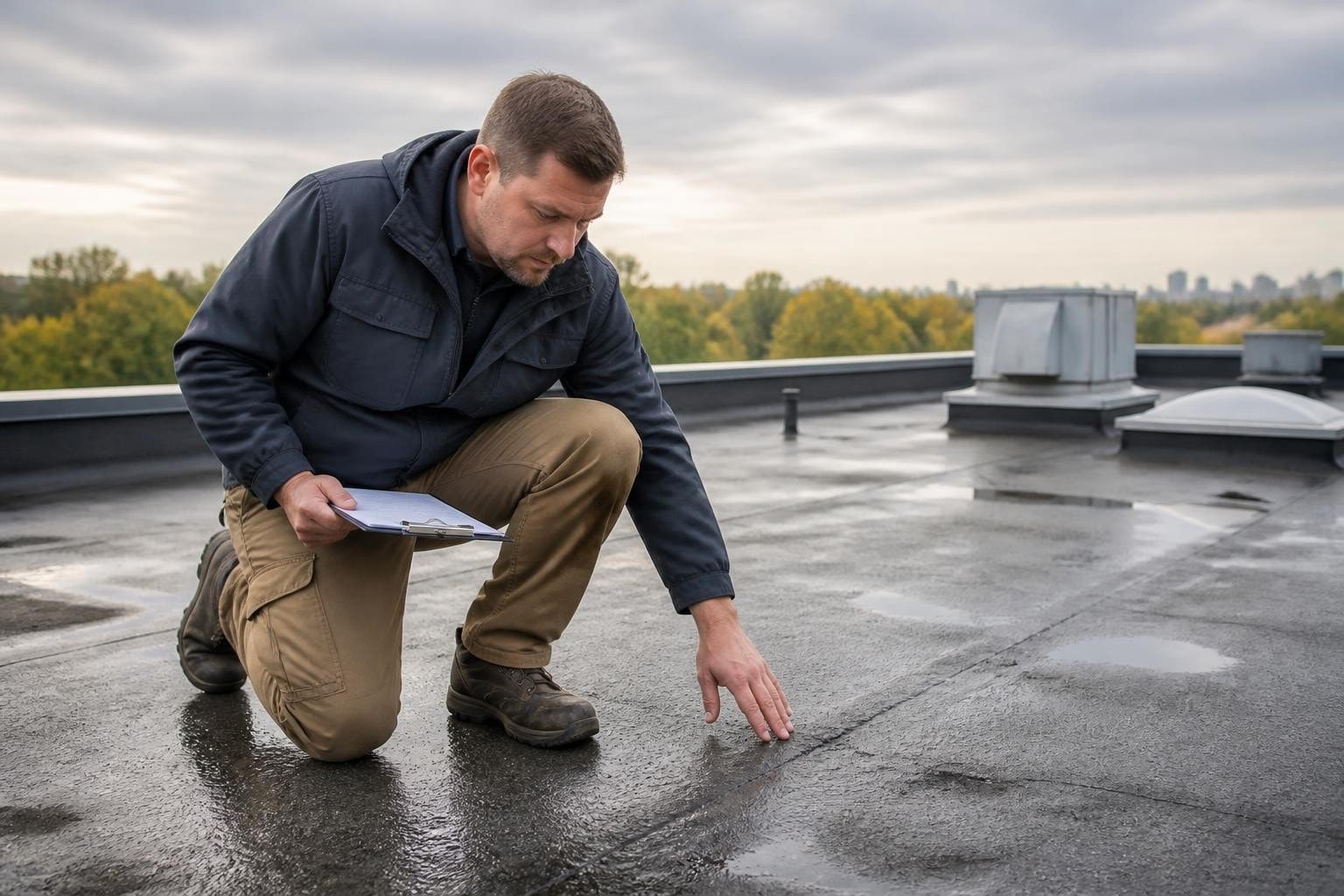
Roof Inspection and Repair: A Complete Guide for 2026
15 July 2026
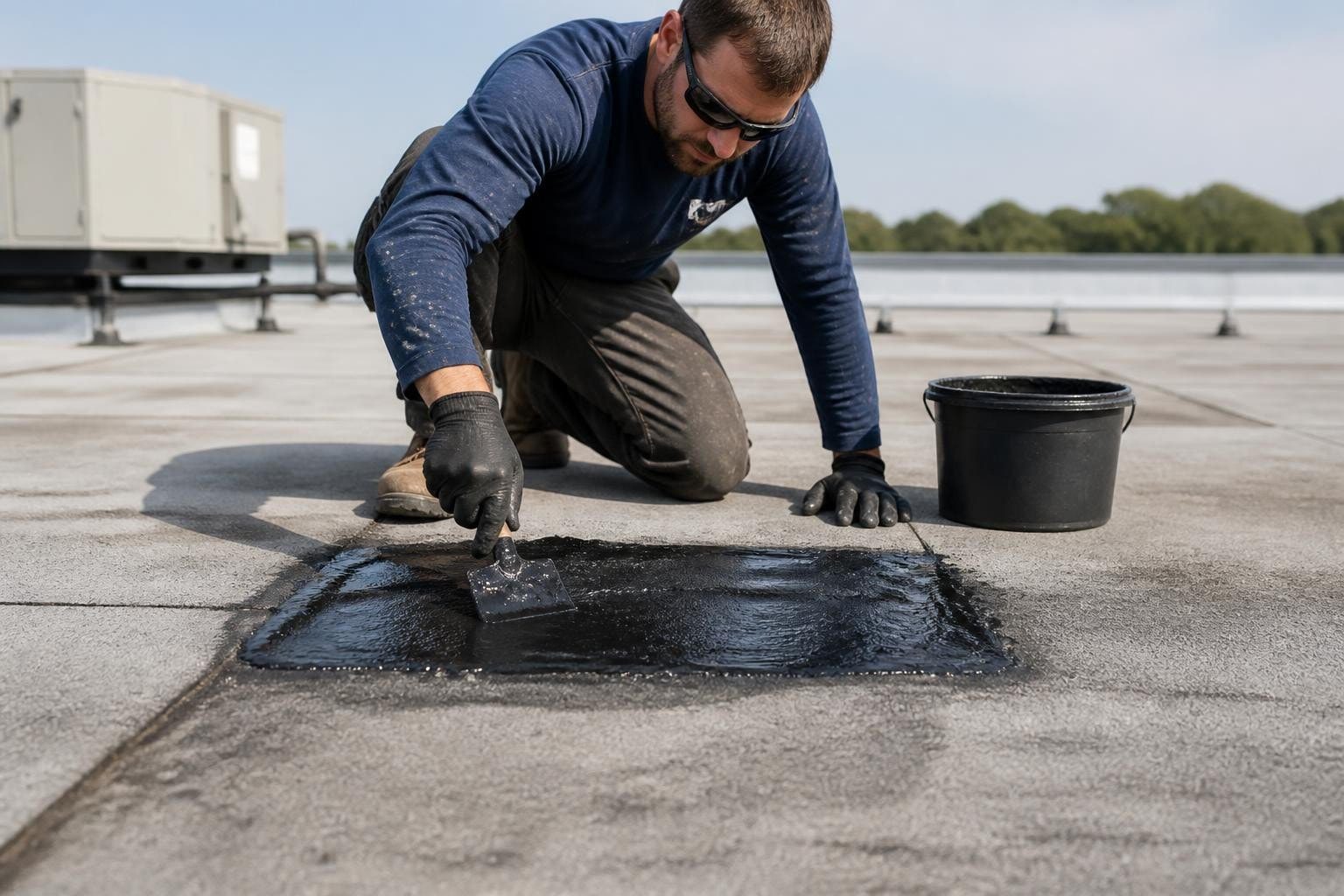
Roof Repair Patch: Complete Guide for Flat Roofs
14 July 2026

Flat Roof Home: Design, Benefits & Considerations
13 July 2026
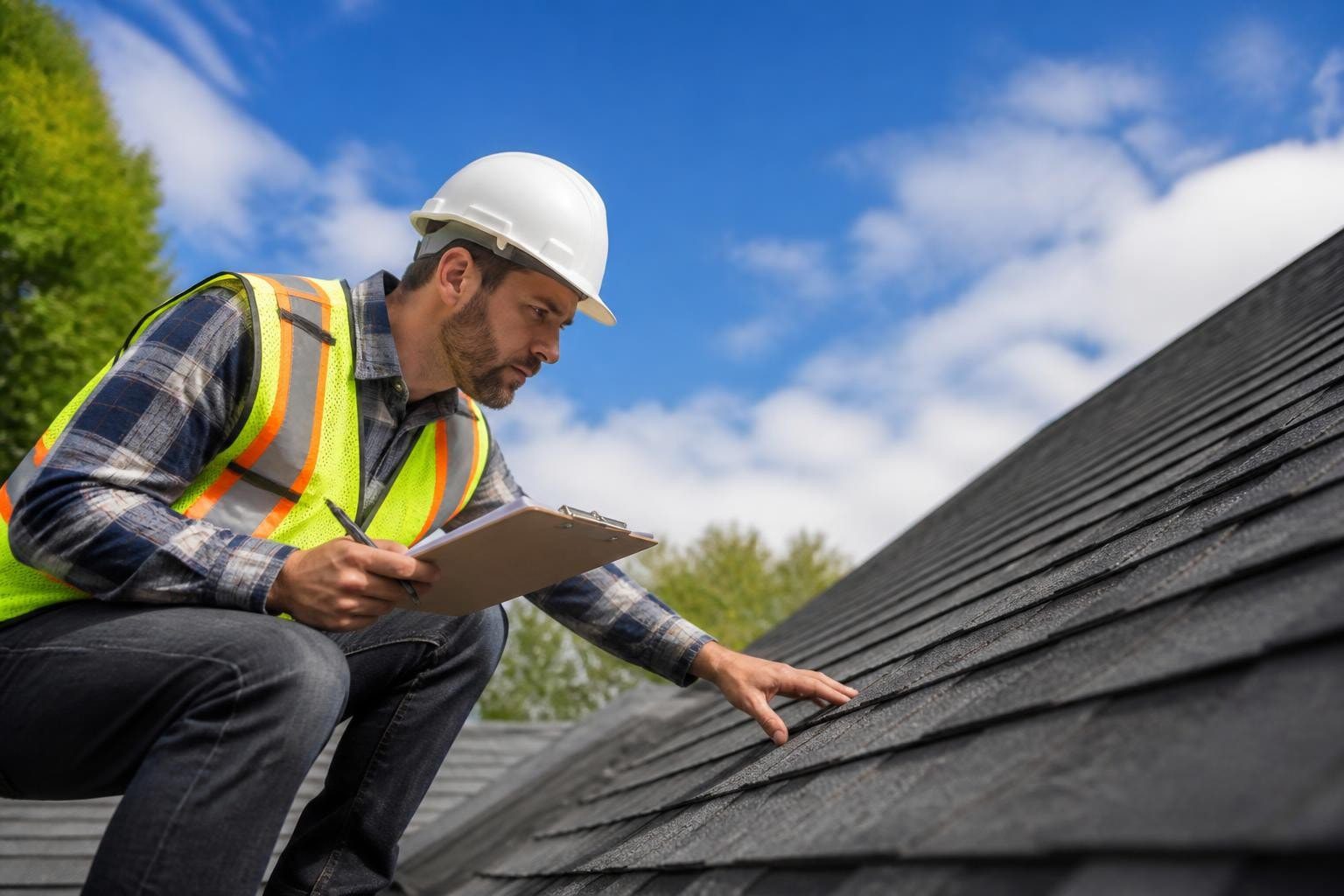
Roofing Assessment: Expert Guide for Property Owners
11 July 2026
EPDM Rubber Roof Replacement: Complete Guide 2026
10 July 2026

ExpertiseExpertise
With over two decades of experience, our certified roofing specialists are the best in the business.

UnmatchedUnmatched
Our Lava 20 system guarantees top-notch durability, backed by a solid 25-year guarantee.

Customer-CentricCustomer-Centric
At Flat Roof Repair Services, customer satisfaction is our top priority.
 Let’s get started on your flat roof project today. Contact us for a free consultation and
discover how our expert roofing solutions can benefit your property.

2 years ago
Thank you @flatroofrepairservices for an amazing experience. All aspects of the job were explained from start to finish. Very friendly, competent and diligent team with expert knowledge and skill.
2 years ago
A great company with great flat roof experience thank you for repairing our flat roof.
2 years ago
Hired this company to carry out our new flat roof installation I must say from start to finish they were fantastic to work with our new flat roof installation is fantastic and we got a really great price. Thank you guys
2 years ago
I had an issue of roof leaking. I got best flat roofer in Dublin from Google search and they fixed roof leaking immediately. They gave me best quote for my new house flat roofing installation too. I am satisfied with his expert crew. Highly recommend Darren Flat roofer crew in Dublin
3 years ago
Was a pleasure to have these lads do my flat roof everything was done exactly how I wanted it dine and left to tidy and neat great people to deal with thanks so much darren
3 years ago
Exceptional Service and Outstanding Results! I recently had the pleasure of working with Flat Roof Repair Services for the installation of my flat roof, and I couldn't be more pleased with the outcome. From the initial consultation to the completion of the project, their team demonstrated professionalism, expertise, and a genuine commitment to customer satisfaction. The quality of workmanship is evident in every detail of our new roof. It's not only functional but also enhances the overall appearance of our property. The team was timely, efficient, and kept me informed throughout the process, making it a seamless and stress-free experience. I am delighted to be a very satisfied customer and would highly recommend Flat Roof Repair Services to anyone in need of a reliable and high-quality roofing solution. Their dedication to excellence is truly commendable, and it's clear they take great pride in their work. A heartfelt thank you to the entire team for their exceptional service.