charlene gannon
2 years ago


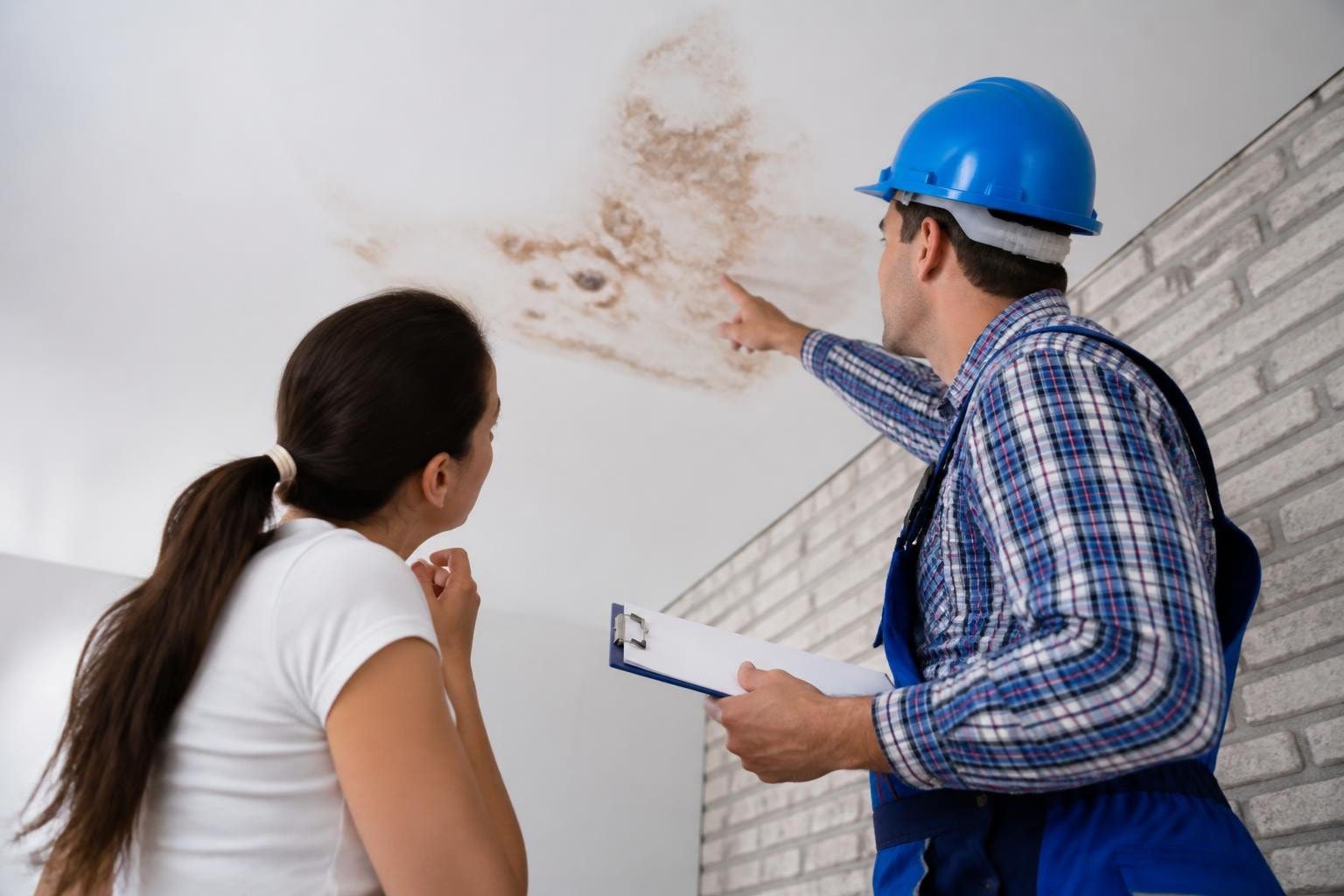
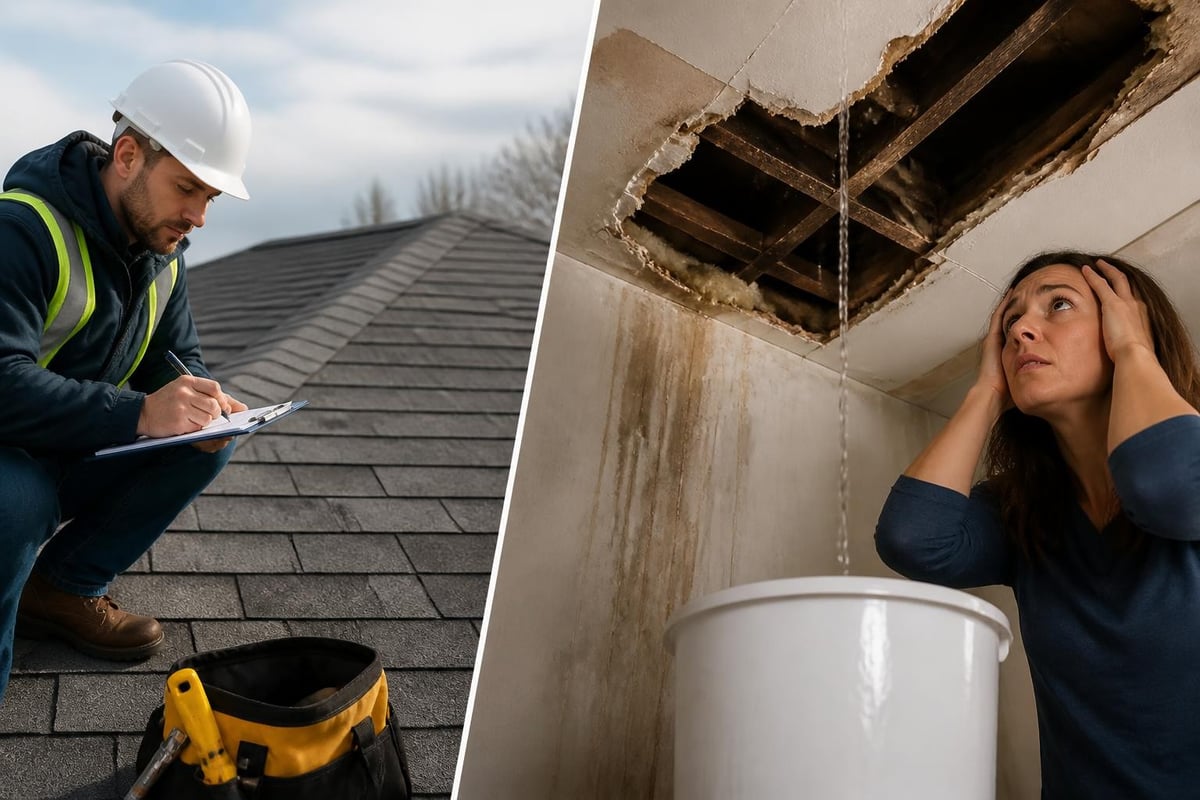
When water begins dripping through your ceiling or you notice mysterious stains spreading across your walls, your first instinct is likely to search for "roof leaks near me" to find immediate help. Roof leaks represent one of the most urgent property maintenance issues homeowners and business owners face, requiring swift action to prevent extensive structural damage, mold growth, and costly repairs. Understanding what causes roof leaks, how to identify reliable local contractors, and the steps involved in professional leak repair empowers you to make informed decisions when water intrusion threatens your property.
Roof leaks develop from various sources, and identifying the root cause determines the most effective repair strategy. Many property owners assume the leak location inside their building corresponds directly to where water enters the roof, but water often travels along structural components before becoming visible.
Flashing failures represent the primary culprit behind most roof leaks. Flashing consists of thin metal strips installed around chimneys, skylights, vent pipes, and where different roof planes meet. When flashing deteriorates, separates from surfaces, or suffers improper installation, water finds pathways into your structure. According to roof leak detection experts, these vulnerable transition points require specialized attention during both installation and maintenance.
Flat roofs face unique challenges that contribute to leak development:
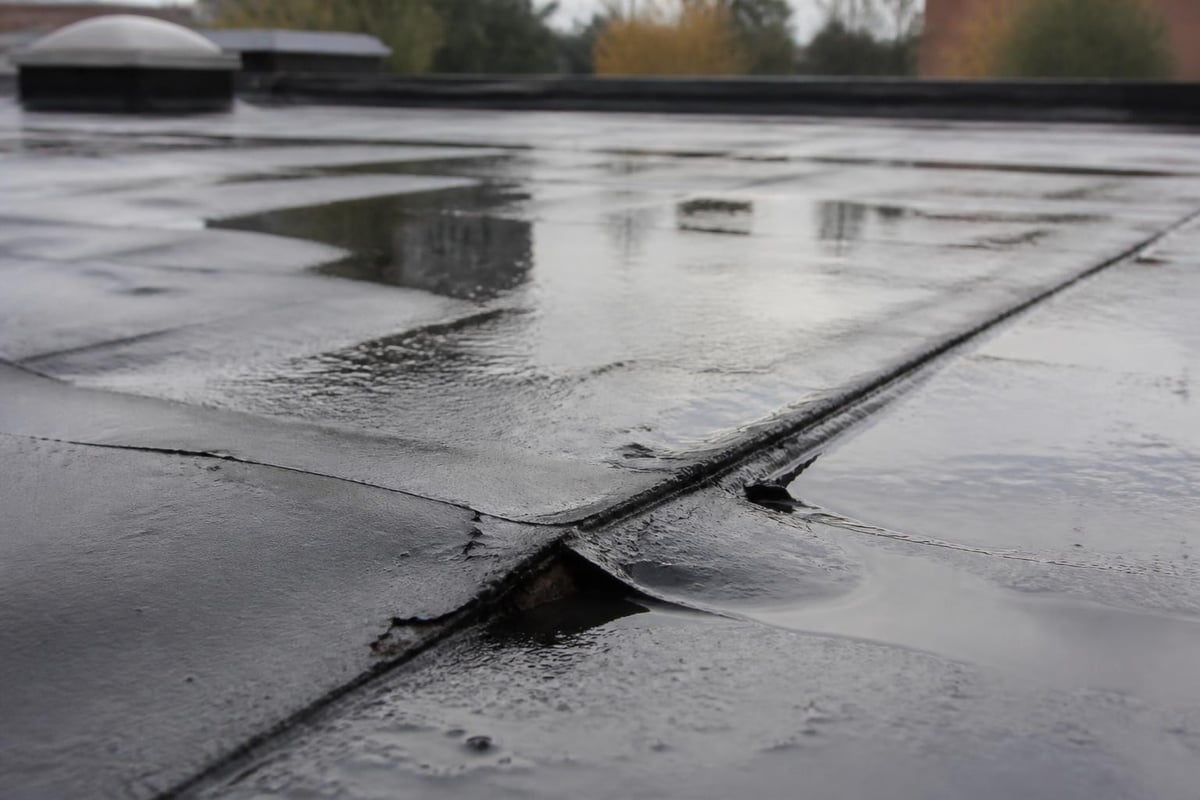
The materials used and installation quality significantly impact roof longevity and leak resistance. Low-quality materials and poor workmanship create vulnerabilities that manifest as leaks within months or years of installation. Professional contractors invest in premium-grade materials and employ experienced technicians who understand proper installation protocols.
When searching for "roof leaks near me," scrutinize contractor qualifications carefully. A reputable roofing company provides detailed warranties covering both materials and workmanship, demonstrating confidence in their service quality. Companies with decades of experience typically maintain higher standards because their reputation depends on consistent results.
Detecting exactly where water enters your roof requires systematic investigation. Interior water stains provide valuable clues, but the actual entry point often sits several feet away from visible damage.
Monitor these indicators that suggest active roof leaks:
Professional leak detection goes beyond visual inspection. Experienced contractors employ multiple methods to pinpoint leak sources accurately, including infrared thermography that reveals temperature differentials caused by moisture, electronic leak detection using low-voltage electrical currents, and systematic water testing that recreates rainfall conditions.
| Detection Method | Best Application | Accuracy Level |
|---|---|---|
| Visual Inspection | Surface-level damage, obvious flashing failures | Moderate |
| Infrared Thermography | Concealed moisture in flat roof systems | High |
| Electronic Leak Detection | Membrane breaches in EPDM and TPO roofs | Very High |
| Water Testing | Confirming suspected leak locations | High |
The contractor you select determines whether your leak repair provides lasting protection or temporary relief. When you search "roof leaks near me," you'll encounter numerous options, but quality varies dramatically across providers.
Prioritize roofing specialists who demonstrate these credentials:
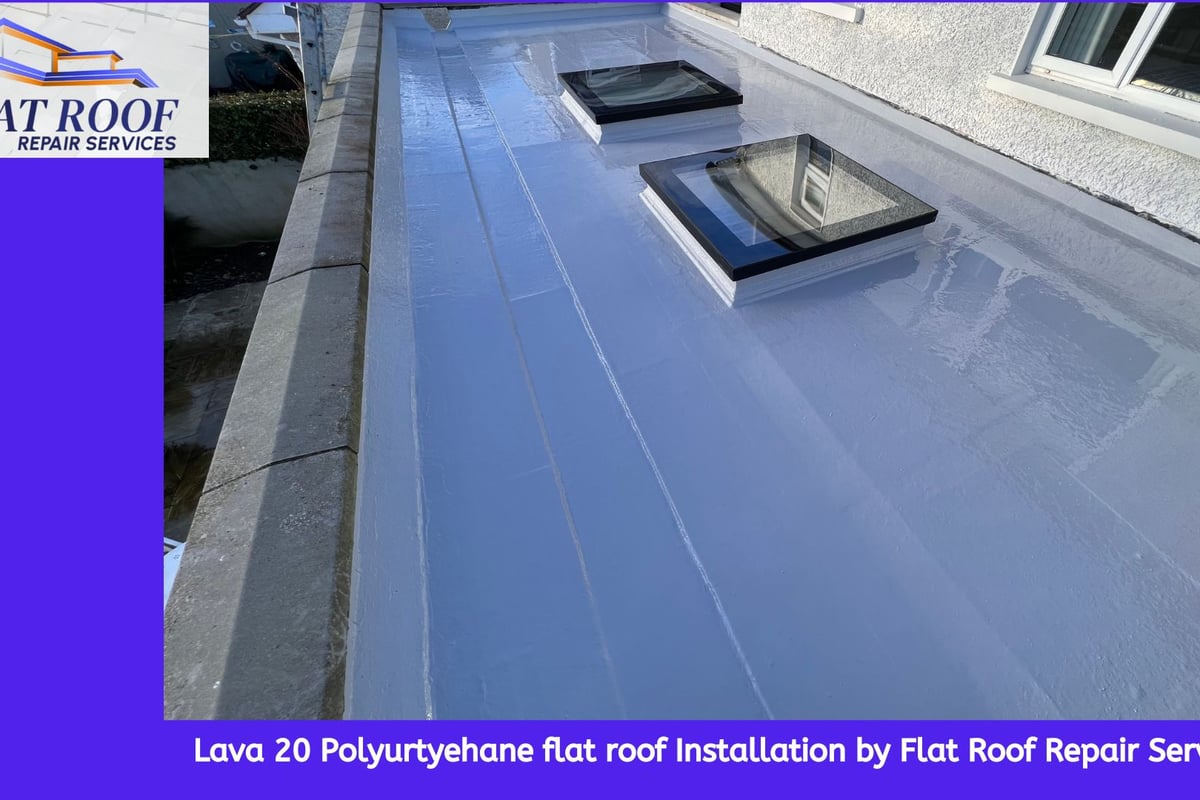
The Flat Roof Repair Services team exemplifies the expertise property owners should expect from qualified contractors. With over 25 years dedicated specifically to flat roofing installation and repair throughout Dublin, they offer the specialized knowledge required to address complex flat roof leak challenges. Their 25-year guarantee demonstrates the confidence that comes from using premium materials and proven installation techniques.
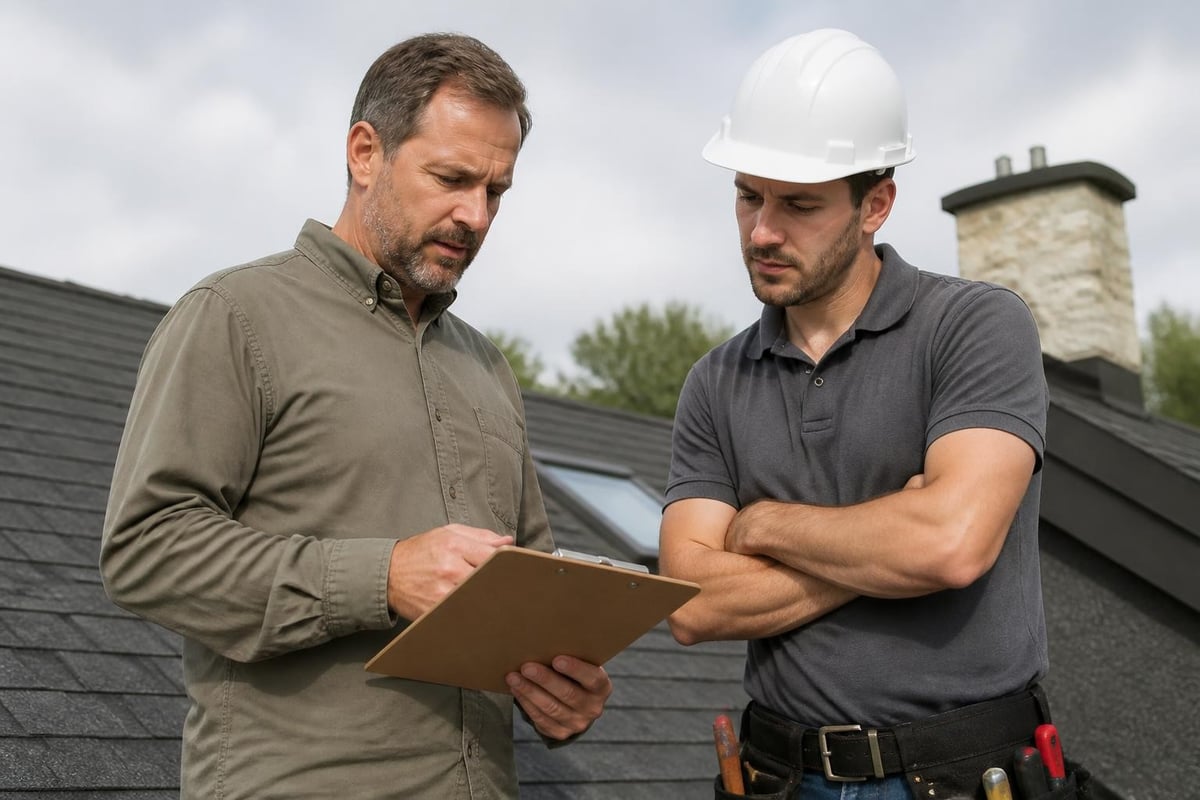
Before committing to any roofing company, conduct thorough vetting:
What specific experience do you have with my roof type? Flat roofs, pitched roofs, and specialized systems require different skill sets. Contractors who specialize in your roof configuration deliver superior results compared to generalists.
Can you provide detailed references from recent similar projects? Request contact information for at least three clients whose properties match your situation. Follow through with these references to learn about communication quality, project timeline adherence, and long-term satisfaction.
What warranties cover this repair work? Distinguish between manufacturer material warranties and contractor workmanship guarantees. Premium contractors stand behind their work with substantial warranty periods.
Understanding what happens during professional roof leak repair helps set realistic expectations and enables you to evaluate contractor thoroughness.
Quality contractors begin with comprehensive roof evaluation rather than rushing to patch visible damage. This assessment includes:
The inspection phase typically takes one to three hours depending on roof size and complexity. Contractors should provide written reports outlining findings, recommended repairs, and cost estimates before beginning work.
Professional roof leak repair follows systematic protocols ensuring lasting results. Contractors address not just immediate leak sources but underlying conditions contributing to water intrusion.
For flat roofs specifically, repair approaches vary based on membrane type and damage extent:
| Membrane Type | Common Repair Method | Expected Lifespan |
|---|---|---|
| EPDM Rubber | Patch bonding with adhesive | 15-25 years |
| TPO | Heat-welded seam repair | 20-30 years |
| Modified Bitumen | Torch-applied patching | 15-20 years |
| Built-Up Roofing | Hot-mopped layer replacement | 20-30 years |
Minor repairs addressing isolated damage points typically complete within one day, while extensive rehabilitation requiring membrane replacement may span several days depending on weather conditions and roof size.
Property owners who implement proactive maintenance programs significantly reduce emergency roof leak incidents and extend roof system lifespan.
Professional roof inspections should occur at minimum twice annually, typically in spring and fall. These scheduled evaluations identify developing issues before they escalate into active leaks. Common roof leak sources like deteriorated pipe boots and failing flashing reveal warning signs long before causing interior water damage.
Between professional inspections, property owners should conduct basic visual checks after severe weather events:
Small problems ignored become major repairs. A minor flashing separation requires minimal material and labor to correct, but delaying allows water infiltration that damages insulation, decking, and interior finishes. The cost differential between preventive maintenance and emergency repair often exceeds 300 to 500 percent.
Flat roofs present distinct challenges requiring specialized knowledge. When searching "roof leaks near me" for flat roof issues, prioritize contractors with dedicated flat roofing expertise rather than general roofers.
Flat roof ponding creates serious leak risks through accelerated membrane degradation and structural stress. Water that remains stationary for extended periods breaks down roofing materials and provides increased opportunities for penetration through minor imperfections.
Effective ponding prevention requires:
Professional roofers identify leak sources quickly by focusing on predictable vulnerability points. For flat roofs, these locations include:
Membrane seams where material sections join together represent the most frequent failure points. Quality installation employs proper overlap dimensions and bonding techniques, but age and thermal cycling eventually compromise even well-executed seams.
Roof penetrations for HVAC equipment, plumbing vents, and electrical conduits create necessary interruptions in the waterproof membrane. Each penetration requires custom flashing and sealing to maintain water resistance.
Parapet walls where flat roofs meet vertical surfaces demand specialized flashing installations to handle the transition between horizontal and vertical planes. Metal counterflashing, membrane base flashing, and proper termination bars work together creating weathertight barriers.
Despite preventive efforts, emergency leaks occasionally occur requiring immediate action to minimize damage.
When discovering an active leak, take these steps while arranging professional repair:
Many established roofing companies maintain 24/7 emergency response capabilities. When searching "roof leaks near me" during emergencies, look specifically for contractors advertising emergency services with rapid response guarantees.
Professional emergency response includes temporary weatherproofing measures that stop immediate water intrusion until permanent repairs can proceed. These solutions might include:
Temporary measures provide critical protection but require follow-up with permanent repairs. Never consider emergency patches as complete solutions.
Repair costs vary substantially based on damage extent, roof type, accessibility, and material requirements. Understanding pricing factors helps you evaluate estimates and budget appropriately.
Damage extent represents the primary cost determinant. Minor repairs addressing isolated leaks cost significantly less than extensive rehabilitation requiring large-scale membrane replacement. Comprehensive inspections revealing multiple compromise points increase repair scope and associated costs.
Roof accessibility impacts labor expenses. Easily accessible flat roofs with safe working conditions cost less to repair than steep-pitched or high-elevation roofs requiring specialized equipment and safety measures.
Material selection influences both immediate costs and long-term value. Premium membrane materials and components cost more initially but typically provide extended service life and better performance, reducing lifetime ownership costs.
| Repair Scope | Typical Cost Range | Timeline |
|---|---|---|
| Minor patch repair | €300 – €800 | 1 day |
| Moderate section replacement | €1,200 – €3,500 | 1-2 days |
| Extensive rehabilitation | €4,000 – €12,000 | 3-7 days |
| Complete re-roofing | €8,000 – €25,000+ | 1-3 weeks |
Request detailed written estimates from multiple contractors when addressing significant leak issues. Quality estimates break down costs by category including materials, labor, disposal, and any structural repairs required.
Beware of estimates significantly lower than competitors. Unusually low pricing often indicates:
Protecting yourself from substandard contractors requires awareness of warning signs indicating potential problems.
Pressure tactics demanding immediate decisions or offering "today only" discounts suggest contractors prioritize sales over service quality. Reputable companies provide reasonable time for estimate review and decision-making.
Cash-only payment demands often indicate tax avoidance or lack of legitimate business operations. Professional contractors accept multiple payment methods and provide proper invoicing.
Lack of physical business address or reluctance to provide verifiable contact information raises serious concerns about contractor legitimacy and accountability.
Unwillingness to provide references or detailed warranty information suggests poor track record or inadequate confidence in work quality.
Requests for full payment upfront before work begins expose you to significant risk. Standard practice involves deposit payments (typically 25-50%) with remaining balance due upon satisfactory completion.
Extending roof lifespan and preventing future leaks requires ongoing commitment to proper maintenance and timely interventions.
Establishing relationships with qualified roofing contractors for regular maintenance delivers multiple benefits. Contractors familiar with your specific roof understand its history, recognize developing issues quickly, and prioritize your service needs.
Many roofing companies offer maintenance agreements providing:
Maintaining comprehensive roof records supports effective maintenance planning and validates warranty claims. Document all inspections, repairs, and maintenance activities including:
This documentation proves invaluable when selling property, filing insurance claims, or planning major roof rehabilitation projects.
When roof leaks threaten your property, quick action combined with careful contractor selection determines whether you achieve lasting protection or face recurring problems. Searching "roof leaks near me" represents just the first step in a process requiring due diligence, quality evaluation, and commitment to proper repair protocols.
The most successful leak resolutions share common elements: thorough initial assessment identifying all damage sources, selection of qualified contractors with specialized expertise, use of premium materials backed by substantial warranties, and implementation of preventive maintenance preventing future issues.
For property owners with flat roofing systems, the specialized nature of these installations demands contractors with dedicated flat roof experience rather than general roofing contractors. The unique challenges of flat roofs including ponding water management, membrane seam integrity, and specialized flashing requirements exceed the capabilities of roofers primarily experienced with pitched roof systems.
Investment in quality leak repair and preventive maintenance protects property value, prevents costly water damage, and provides peace of mind knowing your roof delivers reliable weather protection. The cost differential between bargain repairs and professional quality work pales compared to expenses associated with recurring leaks, structural damage, and premature roof replacement.
Addressing roof leaks promptly with qualified professionals prevents minor issues from escalating into major damage affecting your property's structural integrity and interior spaces. When you're searching for solutions to roof leaks, partnering with experienced specialists who understand the unique requirements of flat roofing systems ensures lasting protection and value. With over 25 years dedicated to flat roofing excellence throughout Dublin, Flat Roof Repair provides the expertise, quality materials, and comprehensive warranties property owners need for complete peace of mind.
Roof Inspection and Repair: A Complete Guide for 2026
15 July 2026
Roof Repair Patch: Complete Guide for Flat Roofs
14 July 2026

Flat Roof Home: Design, Benefits & Considerations
13 July 2026
Membrane Roof Repair: Professional Guide for 2026
12 July 2026
Roofing Assessment: Expert Guide for Property Owners
11 July 2026

ExpertiseExpertise
With over two decades of experience, our certified roofing specialists are the best in the business.

UnmatchedUnmatched
Our Lava 20 system guarantees top-notch durability, backed by a solid 25-year guarantee.

Customer-CentricCustomer-Centric
At Flat Roof Repair Services, customer satisfaction is our top priority.
 Let’s get started on your flat roof project today. Contact us for a free consultation and
discover how our expert roofing solutions can benefit your property.

2 years ago
Thank you @flatroofrepairservices for an amazing experience. All aspects of the job were explained from start to finish. Very friendly, competent and diligent team with expert knowledge and skill.
2 years ago
A great company with great flat roof experience thank you for repairing our flat roof.
2 years ago
Hired this company to carry out our new flat roof installation I must say from start to finish they were fantastic to work with our new flat roof installation is fantastic and we got a really great price. Thank you guys
2 years ago
I had an issue of roof leaking. I got best flat roofer in Dublin from Google search and they fixed roof leaking immediately. They gave me best quote for my new house flat roofing installation too. I am satisfied with his expert crew. Highly recommend Darren Flat roofer crew in Dublin
3 years ago
Was a pleasure to have these lads do my flat roof everything was done exactly how I wanted it dine and left to tidy and neat great people to deal with thanks so much darren
3 years ago
Exceptional Service and Outstanding Results! I recently had the pleasure of working with Flat Roof Repair Services for the installation of my flat roof, and I couldn't be more pleased with the outcome. From the initial consultation to the completion of the project, their team demonstrated professionalism, expertise, and a genuine commitment to customer satisfaction. The quality of workmanship is evident in every detail of our new roof. It's not only functional but also enhances the overall appearance of our property. The team was timely, efficient, and kept me informed throughout the process, making it a seamless and stress-free experience. I am delighted to be a very satisfied customer and would highly recommend Flat Roof Repair Services to anyone in need of a reliable and high-quality roofing solution. Their dedication to excellence is truly commendable, and it's clear they take great pride in their work. A heartfelt thank you to the entire team for their exceptional service.