charlene gannon
2 years ago


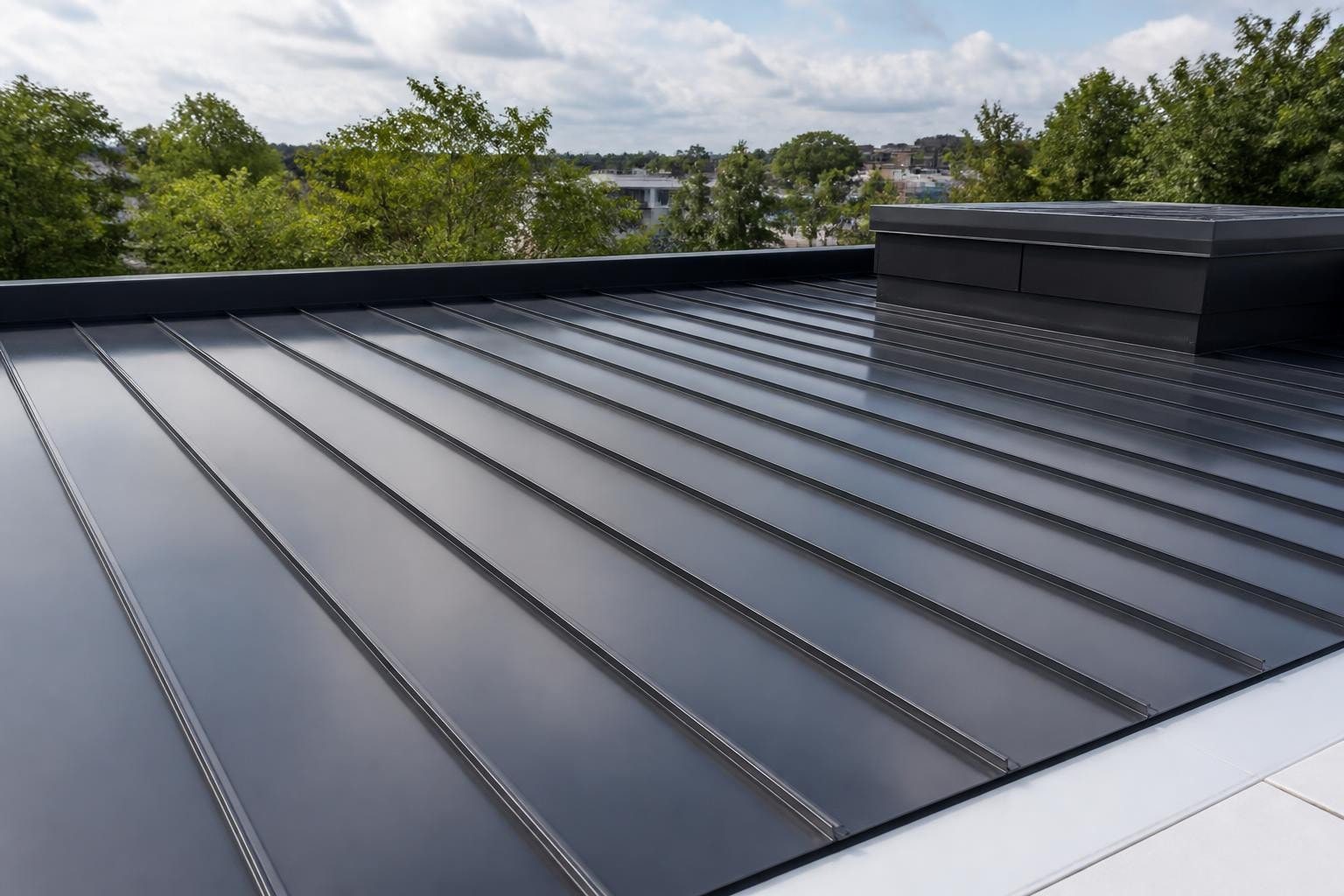
Metal roofing for flat roofs represents a growing trend in the roofing industry, challenging traditional assumptions about what materials work best on low-slope structures. While many property owners associate metal roofing exclusively with pitched residential roofs, modern metal roofing systems have evolved to address the unique challenges of flat and low-slope commercial buildings. Understanding the technical requirements, material options, and installation considerations can help Dublin property owners make informed decisions about whether metal roofing suits their flat roof needs. This comprehensive guide explores everything from minimum slope requirements to long-term performance expectations.
Metal roofing for flat roofs requires specific design considerations that differ significantly from traditional pitched roof installations. The fundamental challenge lies in achieving proper water drainage on surfaces with minimal slope.
Contrary to popular belief, truly flat roofs do not exist in professional roofing applications. Every roof requires some degree of slope to facilitate water runoff and prevent pooling. Metal roofing systems on flat or low-slope roofs typically require a minimum pitch of 1:12, though some specialized systems can function at slopes as low as 0.5:12 (half inch per foot).
The slope directly impacts which metal roofing products you can select:
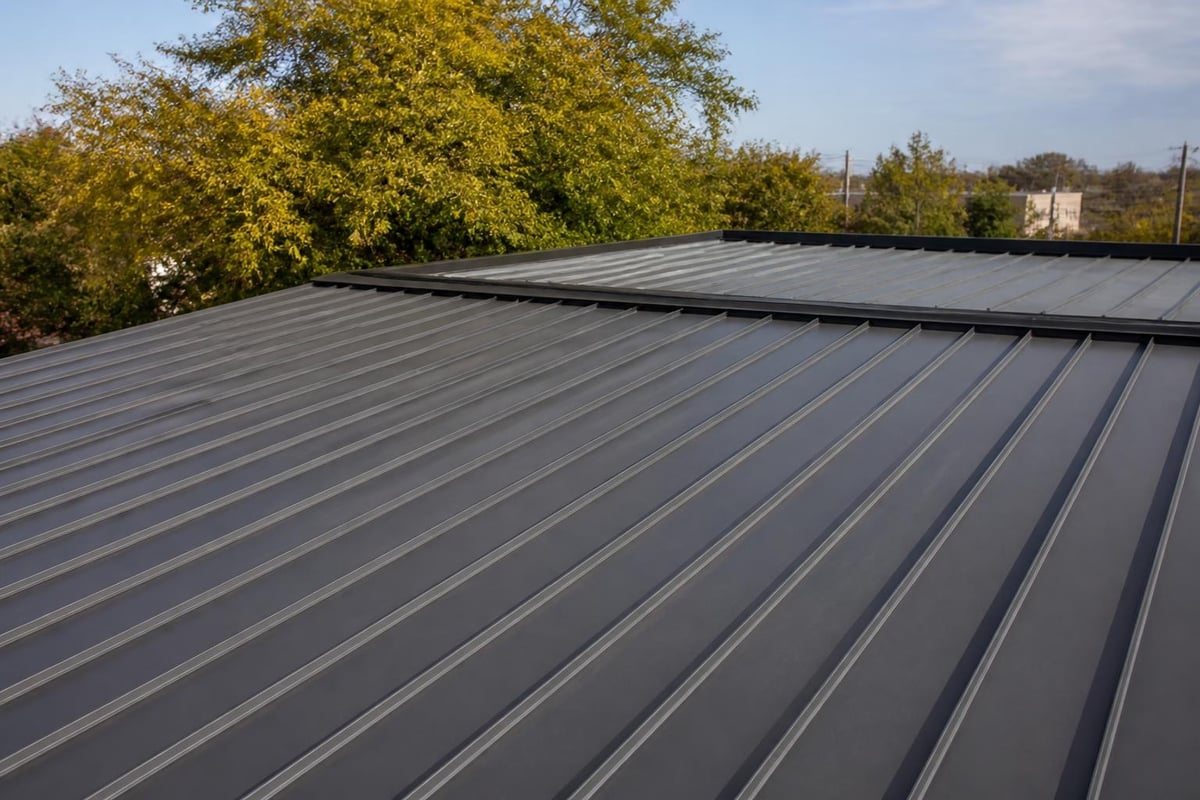
Several metal panel configurations work effectively on flat and low-slope applications. Standing seam metal roofing dominates the flat roof market because vertical seams elevate fasteners above the roof surface, reducing leak potential.
Through-fastened panels represent a more economical option but expose fasteners to weathering. These systems work better on steeper slopes where water moves quickly across the surface. On flatter applications, the exposed fasteners become vulnerability points over time.
Structural standing seam panels provide superior performance for flat applications. These panels attach directly to structural supports without requiring a solid deck beneath them, making them ideal for warehouses, manufacturing facilities, and agricultural buildings.
| Panel Type | Minimum Slope | Waterproofing | Cost Range |
|---|---|---|---|
| Standing Seam | 1:12 | Excellent | €€€ |
| Mechanically Seamed | 0.5:12 | Superior | €€€€ |
| Through-Fastened | 3:12 | Good | €€ |
| Structural Standing Seam | 1:12 | Excellent | €€€€ |
Choosing the right metal material significantly impacts the longevity and performance of your flat roof system. Each metal type offers distinct advantages and trade-offs that Dublin property owners should carefully evaluate.
Steel roofing dominates commercial flat roof applications due to its strength-to-weight ratio and affordability. Galvanized steel receives a zinc coating for corrosion resistance, while Galvalume steel combines zinc and aluminum for enhanced protection. Most manufacturers apply additional painted finishes that provide UV resistance and aesthetic appeal.
Aluminum roofing excels in coastal environments where salt air accelerates corrosion. The material naturally forms a protective oxide layer that prevents rust. Aluminum weighs approximately one-third as much as steel, reducing structural load requirements. However, aluminum costs more than steel and dents more easily under impact.
Copper and zinc roofing represent premium options that develop attractive patinas over time. These materials can last 50 to 100 years with minimal maintenance. The significant upfront investment limits their use primarily to high-end commercial buildings and historic restoration projects.
The protective coating system determines how well metal roofing for flat roofs withstands Dublin's variable weather conditions. Modern coating technologies have dramatically improved metal roofing performance over the past two decades.
The coating thickness directly correlates with longevity. Commercial-grade coatings typically measure between 0.7 and 1.0 mils thick, while premium systems exceed 1.2 mils.
Proper installation determines whether metal roofing for flat roofs performs as engineered or fails prematurely. The installation process requires specialized knowledge that goes beyond standard pitched roof techniques.
The substrate must provide a smooth, stable surface capable of supporting the metal panels without deflection. Most installations over existing flat roofs require one of these approaches:
Installing metal roofing on flat structures demands attention to thermal movement. Metal expands and contracts significantly with temperature changes, requiring proper clip and fastener systems that accommodate this movement without causing panel distortion.
The waterproofing strategy separates successful flat metal roof installations from problematic ones. Unlike steep roofs where gravity quickly moves water off the surface, flat roofs must contend with slower drainage and occasional ponding.
Underlayment selection provides the first line of defense against water infiltration. High-temperature ice and water shield works effectively beneath metal panels, creating a fully adhered waterproof membrane. Synthetic underlayments offer superior tear resistance and UV stability compared to traditional felt paper.
Seam integrity represents the critical waterproofing element in standing seam systems. Mechanical seaming machines crimp the panel edges together, creating a weathertight connection that prevents water penetration. Hand-crimping compromises seam quality and should be avoided except in small repair situations.
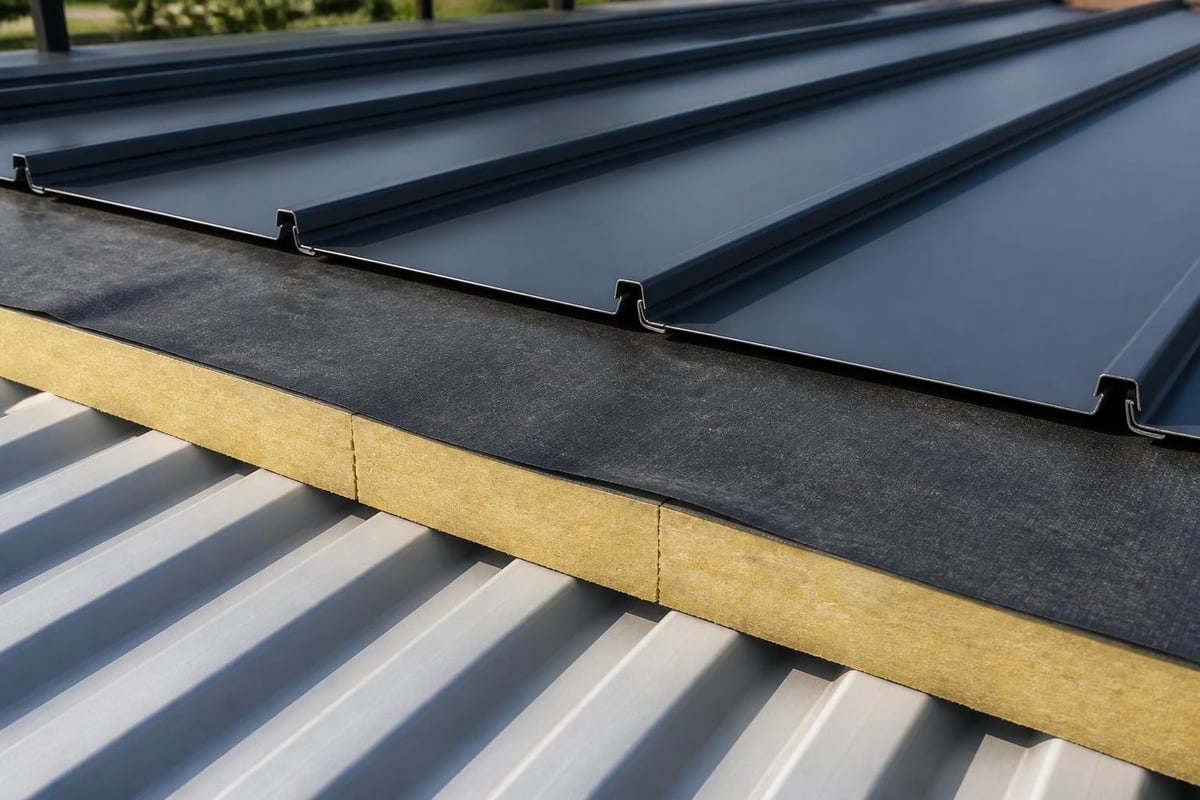
Perimeter and penetration flashing requires meticulous attention. Every pipe, vent, HVAC unit, and roof edge creates a potential leak point. Custom-fabricated flashing pieces that integrate with the metal panel system provide the most reliable protection.
Understanding the complete cost picture helps property owners make informed decisions about metal roofing for flat roofs. The investment extends beyond initial installation to include long-term maintenance and lifecycle value.
Metal roofing installation costs vary significantly based on multiple factors. In the Dublin market, property owners can expect these general ranges for commercial flat roof applications:
Project complexity dramatically affects final costs. Buildings with numerous penetrations, irregular shapes, or difficult access require additional labor hours. The existing roof condition impacts whether overlay installation remains feasible or complete tear-off becomes necessary.
Metal roofing for flat roofs offers compelling lifecycle economics despite higher initial costs compared to membrane systems. The durability and minimal maintenance requirements create substantial value over the roof's lifespan.
| System Type | Expected Lifespan | Maintenance Level | Energy Performance |
|---|---|---|---|
| Metal Roofing | 40-70 years | Low | Excellent |
| EPDM Membrane | 20-30 years | Moderate | Good |
| TPO Membrane | 15-25 years | Moderate | Very Good |
| Built-Up Roofing | 15-30 years | High | Fair |
Energy efficiency represents another financial advantage. Reflective metal roofing surfaces can reduce cooling costs by 10-25% compared to dark membrane roofing. The cool roof effect becomes particularly valuable in commercial buildings with significant air conditioning loads.
Insurance companies sometimes offer premium reductions for metal roofing due to superior fire resistance and impact resistance. These savings accumulate over decades of ownership.
Metal roofing for flat roofs delivers multiple performance advantages that extend beyond basic weather protection. Understanding these benefits helps property owners evaluate whether the system aligns with their priorities.
Metal roofing withstands Dublin's challenging weather conditions better than most alternatives. The material resists water absorption, preventing the freeze-thaw damage that deteriorates other roofing systems. Wind resistance exceeds 120 mph when properly installed, making metal roofing suitable for exposed locations.
Impact resistance varies by material and gauge thickness. Steel roofing handles hail and debris impact better than aluminum, though both materials significantly outperform asphalt-based systems. The pros and cons of metal roofing for flat applications include consideration of local weather patterns and environmental exposures.
Fire resistance earns metal roofing the highest Class A rating. The non-combustible material won't ignite from flying sparks or embers, providing critical protection for commercial properties storing valuable inventory or equipment.
Modern construction increasingly prioritizes environmental responsibility, where metal roofing excels through multiple sustainability metrics.
The low weight of metal roofing compared to concrete or clay tiles reduces transportation fuel consumption. A typical metal roofing system weighs 1-3 pounds per square foot, while built-up roofing systems can exceed 5-6 pounds per square foot.
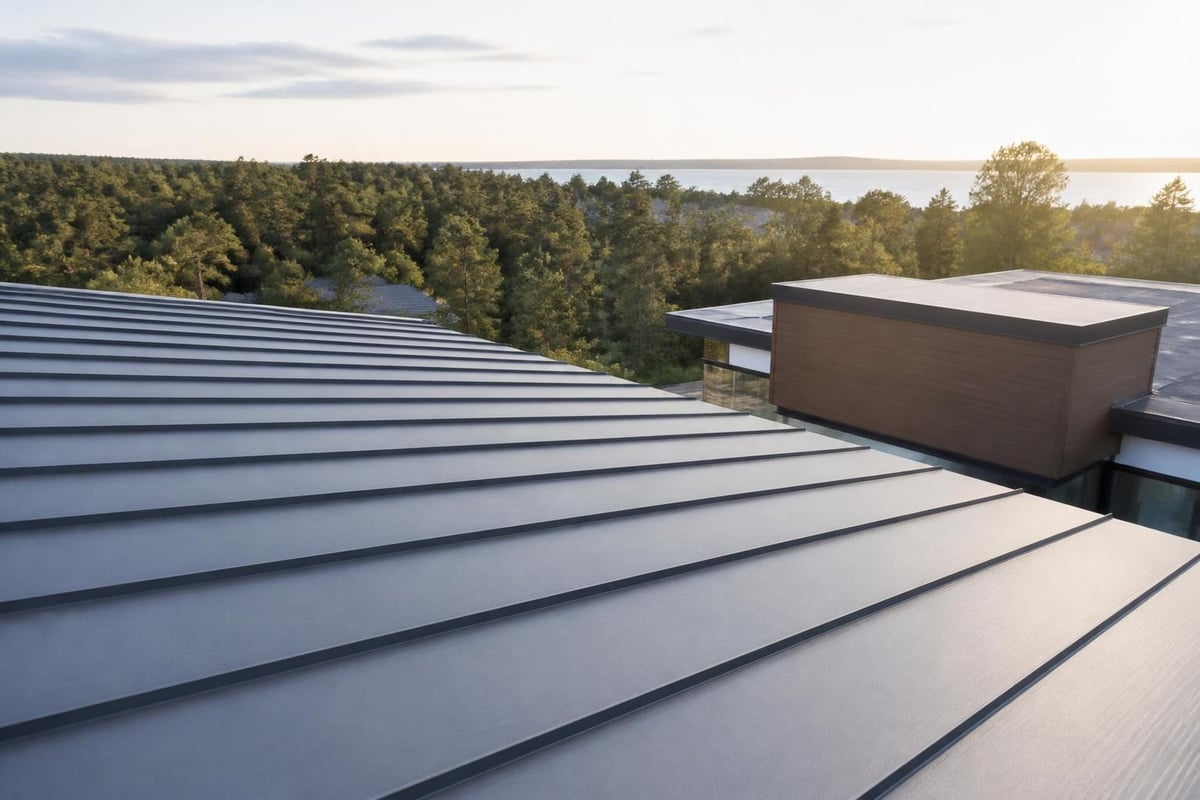
While metal roofing for flat roofs requires less maintenance than alternative systems, establishing a proactive maintenance program maximizes system longevity and performance.
Professional roof inspections should occur biannually, ideally in spring and fall. These inspections identify minor issues before they escalate into costly repairs. Key inspection points include:
Dublin's frequent rainfall makes drainage verification particularly important. Even slight debris accumulation in valleys or drains can create water ponding that accelerates wear.
Metal roofing surfaces benefit from periodic cleaning to remove debris, organic growth, and accumulated dirt. The frequency depends on the building's surroundings and local environmental conditions.
Debris removal should happen quarterly on properties with surrounding trees. Leaves, branches, and seed pods trap moisture against the metal surface, potentially causing premature corrosion under certain conditions. A simple broom or leaf blower handles most debris situations without damaging the roof surface.
Chemical cleaning addresses algae, moss, or mildew growth. Use pH-neutral cleaners specifically formulated for metal roofing to avoid damaging protective coatings. High-pressure washing can void warranties and damage panel finishes, so gentle washing with garden hose pressure works better.
Commercial buildings present unique requirements that influence metal roofing for flat roofs design and installation decisions. These considerations extend beyond residential applications.
Commercial buildings often house heavy equipment on flat roofs, from HVAC units to solar panels. The roofing system must support these concentrated loads while maintaining waterproof integrity. Metal roofing's high strength-to-weight ratio provides an advantage, but proper structural engineering remains essential.
Roof-mounted equipment creates additional challenges:
At Flat Roof Repair Services, over 25 years of experience working with Dublin's commercial properties has demonstrated that proper planning during the design phase prevents costly modifications later. Their expertise in integrating metal roofing systems with existing building infrastructure ensures installations meet both current needs and future expansion requirements.
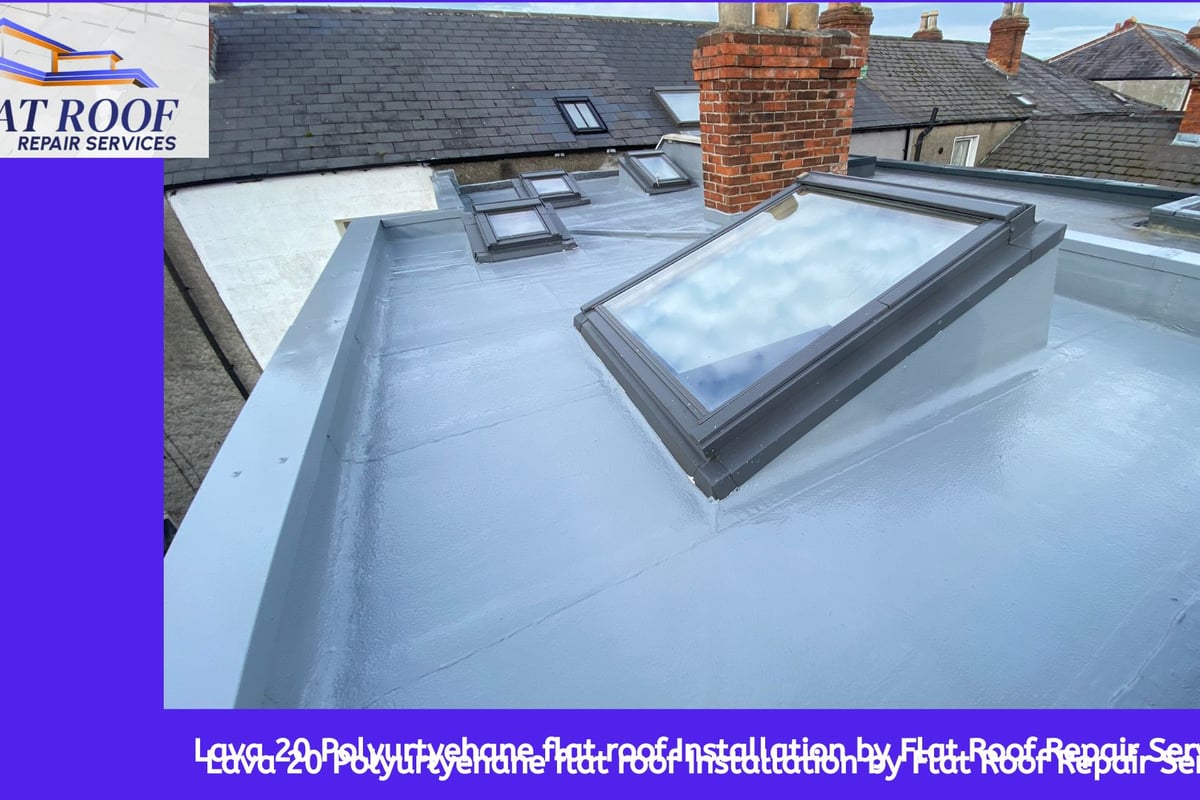
Building codes establish minimum performance standards for commercial roofing systems. Metal roofing for flat roofs must comply with several regulatory requirements that vary by location and building use.
Wind uplift resistance testing verifies the roof assembly can withstand local wind loads without failure. Commercial installations typically require Factory Mutual (FM) or Underwriters Laboratories (UL) ratings appropriate for the building's exposure category.
Fire rating requirements become particularly stringent for commercial properties. The complete roof assembly, not just the metal panels, must achieve the required fire resistance rating. This includes insulation, underlayment, and deck materials.
Dublin property owners should verify that contractors secure proper building permits before work begins. Permitted work ensures installations meet current codes and protects property owners from future liability.
Contemporary commercial buildings incorporate sophisticated systems that interact with the roofing assembly. Metal roofing for flat roofs must integrate seamlessly with these technologies.
Metal roofing provides an ideal platform for solar panel installations. The structural strength supports panel weight, and standing seam profiles accept specialized clamps that avoid roof penetrations. Specialized mounting systems attach directly to the seams without compromising waterproofing.
Solar integration offers multiple benefits:
The reflective properties of metal roofing complement solar panel efficiency by reducing ambient temperature around panel arrays.
Some commercial property owners combine metal roofing with green roof elements, creating hybrid systems that maximize environmental benefits. While extensive vegetative roofs typically require membrane systems, intensive green roofs can incorporate metal deck profiles.
The metal deck provides structural support for growing medium and vegetation while the waterproofing layer sits beneath the metal panels. This configuration offers redundant waterproofing protection and exceptional thermal performance.
Understanding warranty coverage protects property owners' investments in metal roofing for flat roofs. Multiple warranties typically apply to different system components.
Metal roofing manufacturers offer several warranty types covering different failure modes:
Reading warranty fine print reveals important exclusions and maintenance requirements. Many warranties become void if unauthorized modifications occur or if required maintenance inspections aren't documented.
Weather-related damage typically falls outside material warranties. Wind, hail, or debris damage requires separate insurance coverage rather than manufacturer warranty claims.
Reputable roofing contractors provide workmanship warranties separate from manufacturer material warranties. These warranties cover installation errors, improper flashing, and fastener failures. Workmanship warranty periods typically range from 2 to 10 years.
The contractor's financial stability matters significantly. A 10-year warranty provides little value if the company no longer operates when you need service. Researching contractor longevity and reputation protects against this risk.
| Warranty Type | Typical Duration | Covers | Exclusions |
|---|---|---|---|
| Material/Substrate | 20-40 years | Manufacturing defects, rust-through | Impact damage, improper installation |
| Paint/Coating | 30-40 years | Fading, chalking, flaking | Chemical exposure, abrasion |
| Workmanship | 2-10 years | Installation errors | Weather damage, normal wear |
| System Warranty | 10-20 years | Complete assembly | Unauthorized modifications |
Dublin's maritime climate creates specific challenges and opportunities for metal roofing for flat roofs. Understanding these regional factors optimizes system selection and performance.
Dublin's high humidity and frequent precipitation demand exceptional waterproofing attention. Metal roofing naturally sheds water effectively, but condensation management requires specific design considerations.
Vapor barriers prevent interior moisture from migrating into the roof assembly where it can condense on the metal deck's underside. Proper placement of vapor barriers and insulation layers prevents condensation damage to building interiors and roof structure.
Ventilation strategies remove moisture that enters the roof assembly. Even with properly sealed vapor barriers, some moisture inevitably penetrates. Adequate ventilation allows this moisture to escape before causing problems.
The temperate climate means freeze-thaw cycles occur occasionally but not constantly. This intermittent freezing creates particular stress on waterproofing systems. Metal roofing's resistance to freeze-thaw damage provides significant advantages in these conditions.
Coastal influence brings moderate to strong winds throughout much of the year. Properly installed metal roofing systems resist wind uplift through mechanical attachment that exceeds membrane systems' adhesion strength.
The smooth metal surface presents less wind resistance than textured materials, reducing uplift forces. However, edge and corner zones require enhanced attachment schedules where wind forces concentrate.
Storm debris resistance becomes critical during severe weather events. Metal roofing's impact resistance prevents penetration from wind-borne objects that would tear membrane roofing systems.
Metal roofing for flat roofs represents a sophisticated solution combining durability, performance, and long-term value for Dublin property owners. The system's technical requirements demand professional expertise in design, material selection, and installation methodology. Whether you're considering new construction or roof replacement, Flat Roof Repair brings over 25 years of specialized experience to guide you through material selection, ensure code-compliant installation, and provide the ongoing support that maximizes your investment's longevity. Their commitment to quality craftsmanship and customer satisfaction, backed by comprehensive guarantees, makes them Dublin's trusted partner for commercial and industrial flat roofing projects.
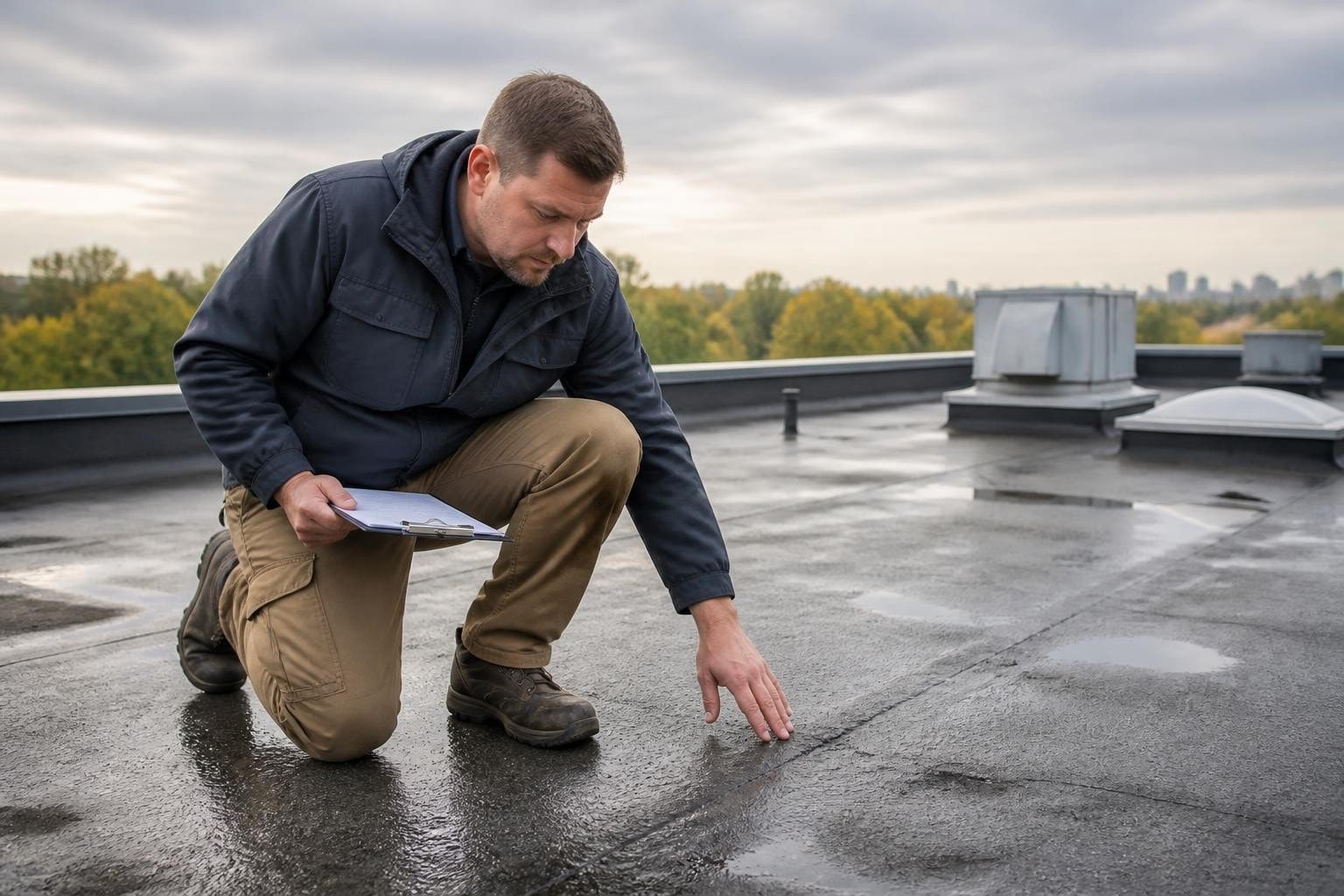
Roof Inspection and Repair: A Complete Guide for 2026
15 July 2026
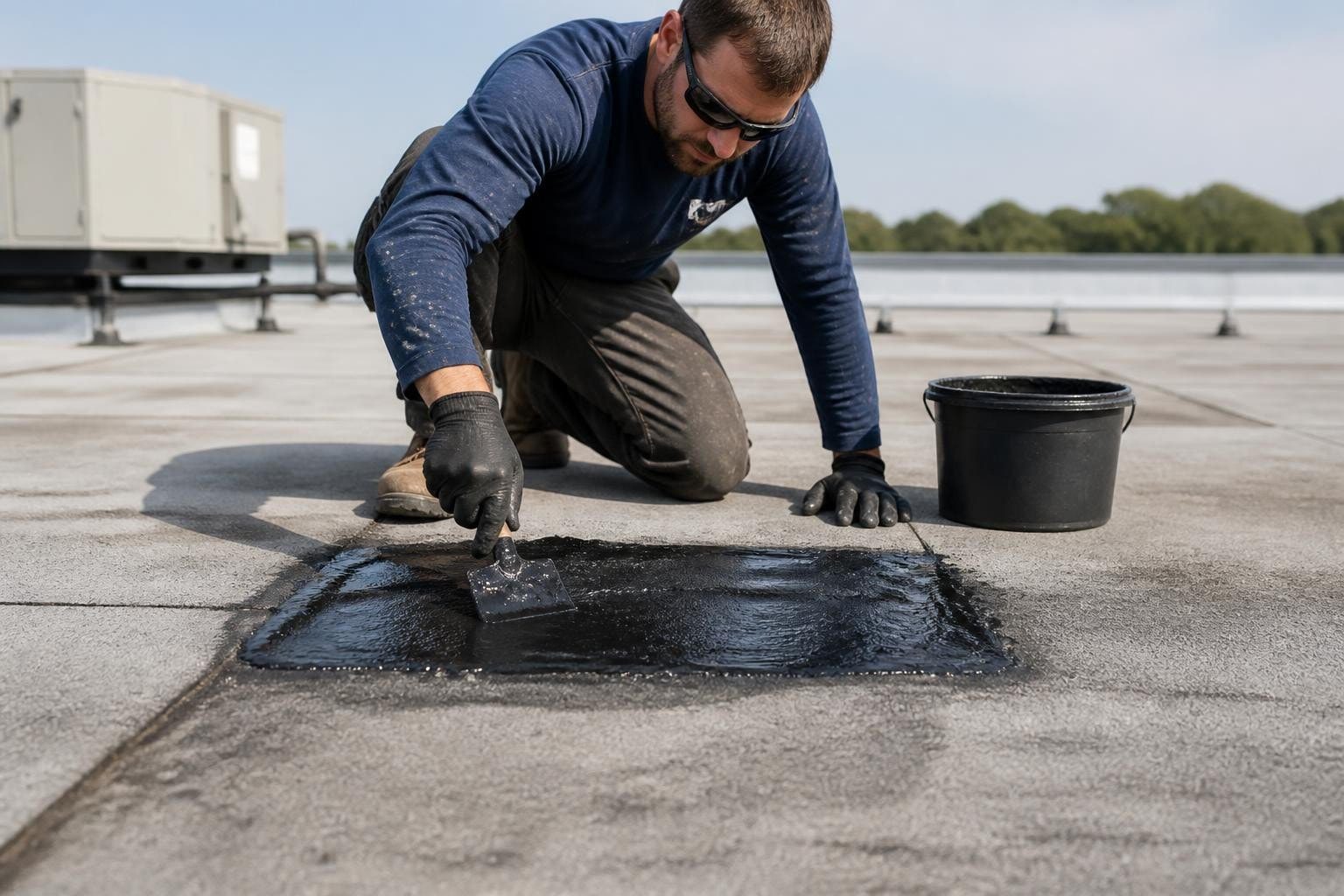
Roof Repair Patch: Complete Guide for Flat Roofs
14 July 2026
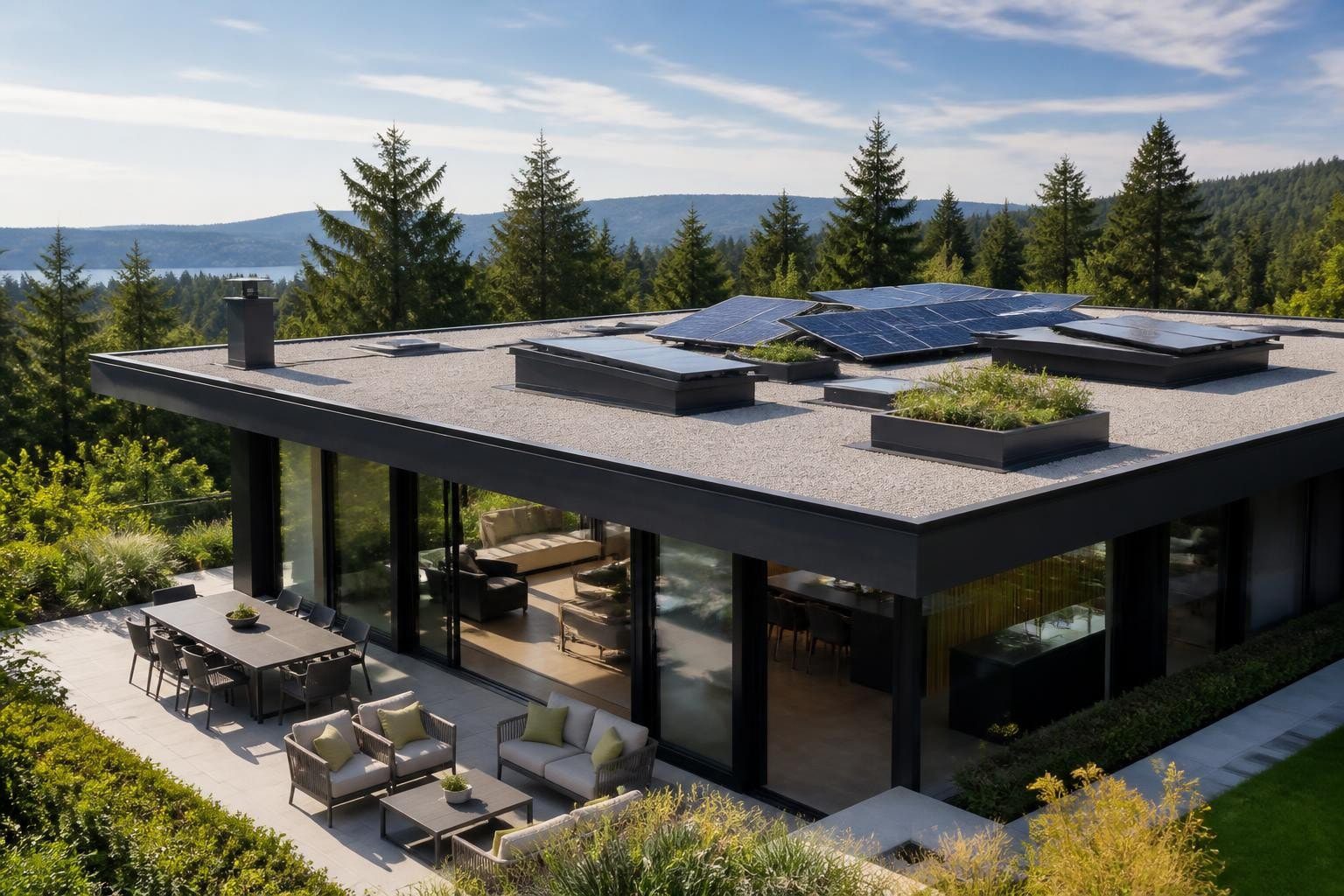
Flat Roof Home: Design, Benefits & Considerations
13 July 2026
Membrane Roof Repair: Professional Guide for 2026
12 July 2026
Roofing Assessment: Expert Guide for Property Owners
11 July 2026

ExpertiseExpertise
With over two decades of experience, our certified roofing specialists are the best in the business.

UnmatchedUnmatched
Our Lava 20 system guarantees top-notch durability, backed by a solid 25-year guarantee.

Customer-CentricCustomer-Centric
At Flat Roof Repair Services, customer satisfaction is our top priority.
 Let’s get started on your flat roof project today. Contact us for a free consultation and
discover how our expert roofing solutions can benefit your property.

2 years ago
Thank you @flatroofrepairservices for an amazing experience. All aspects of the job were explained from start to finish. Very friendly, competent and diligent team with expert knowledge and skill.
2 years ago
A great company with great flat roof experience thank you for repairing our flat roof.
2 years ago
Hired this company to carry out our new flat roof installation I must say from start to finish they were fantastic to work with our new flat roof installation is fantastic and we got a really great price. Thank you guys
2 years ago
I had an issue of roof leaking. I got best flat roofer in Dublin from Google search and they fixed roof leaking immediately. They gave me best quote for my new house flat roofing installation too. I am satisfied with his expert crew. Highly recommend Darren Flat roofer crew in Dublin
3 years ago
Was a pleasure to have these lads do my flat roof everything was done exactly how I wanted it dine and left to tidy and neat great people to deal with thanks so much darren
3 years ago
Exceptional Service and Outstanding Results! I recently had the pleasure of working with Flat Roof Repair Services for the installation of my flat roof, and I couldn't be more pleased with the outcome. From the initial consultation to the completion of the project, their team demonstrated professionalism, expertise, and a genuine commitment to customer satisfaction. The quality of workmanship is evident in every detail of our new roof. It's not only functional but also enhances the overall appearance of our property. The team was timely, efficient, and kept me informed throughout the process, making it a seamless and stress-free experience. I am delighted to be a very satisfied customer and would highly recommend Flat Roof Repair Services to anyone in need of a reliable and high-quality roofing solution. Their dedication to excellence is truly commendable, and it's clear they take great pride in their work. A heartfelt thank you to the entire team for their exceptional service.