charlene gannon
2 years ago


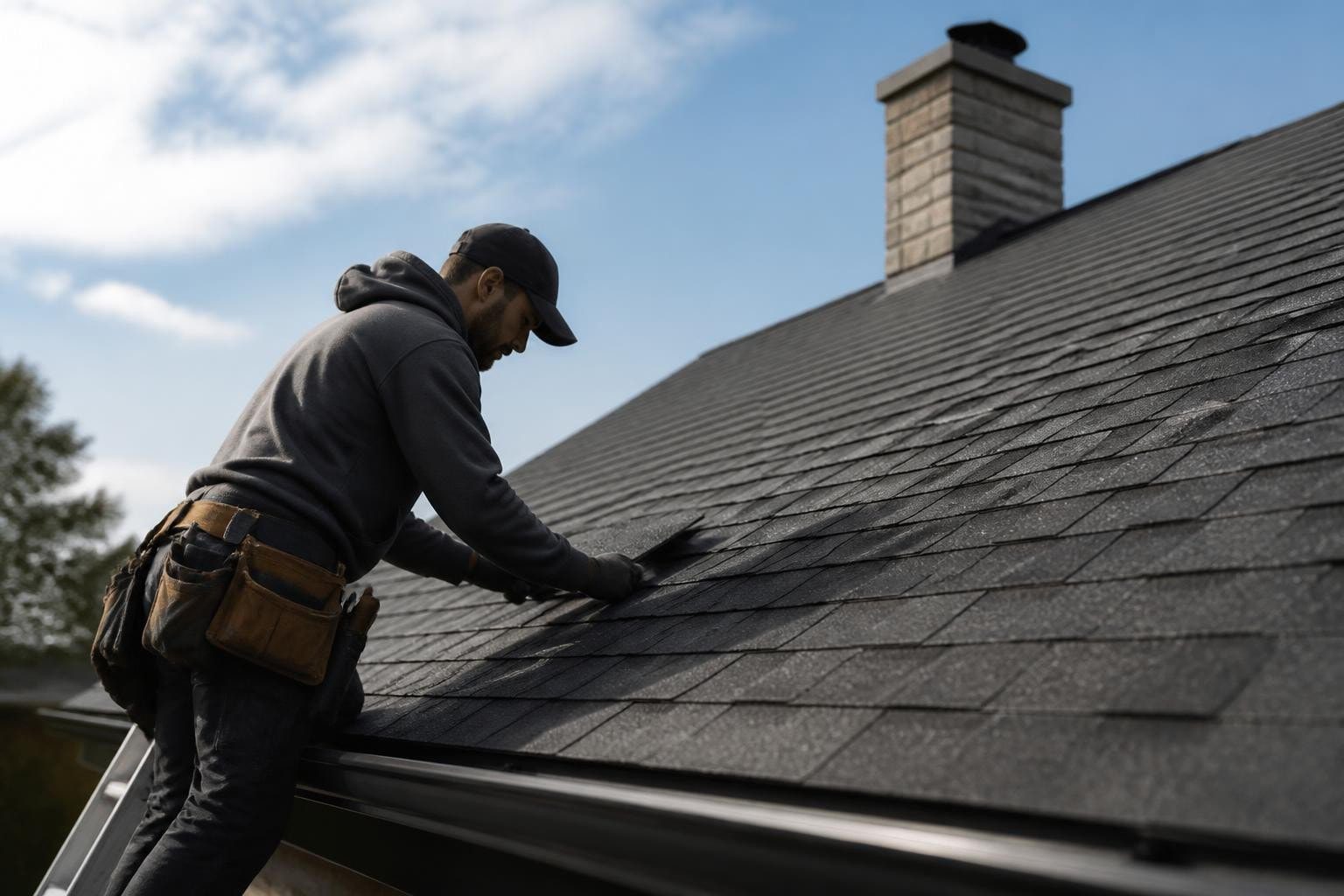
Understanding the full scope of replacement roof cost helps property owners make informed decisions about one of their most significant home improvement investments. Whether you're dealing with storm damage, age-related deterioration, or simply planning a property upgrade, knowing what to expect financially removes much of the stress from the roofing process. This comprehensive guide breaks down every aspect of roof replacement pricing in 2026, with particular attention to flat roofing systems that dominate commercial properties and modern residential designs throughout Dublin and Ireland.
The replacement roof cost varies dramatically based on multiple interconnected factors. Property owners often face sticker shock when they first request quotes, but understanding the underlying components helps contextualize these expenses.
Different roofing systems carry distinct price points. The average roof replacement costs in 2026 reflect both material expenses and installation complexity.
| Roof Type | Cost Per Square Meter | Typical Project Range |
|---|---|---|
| EPDM Rubber | €50-€85 | €3,500-€7,500 |
| PVC Membrane | €65-€95 | €4,500-€8,500 |
| TPO | €60-€90 | €4,200-€8,000 |
| Built-Up Roof | €70-€110 | €5,000-€9,500 |
| Modified Bitumen | €55-€85 | €3,800-€7,200 |
These figures represent material and basic installation costs for standard flat roof projects. Complex configurations, challenging access points, or premium materials increase these baselines considerably.
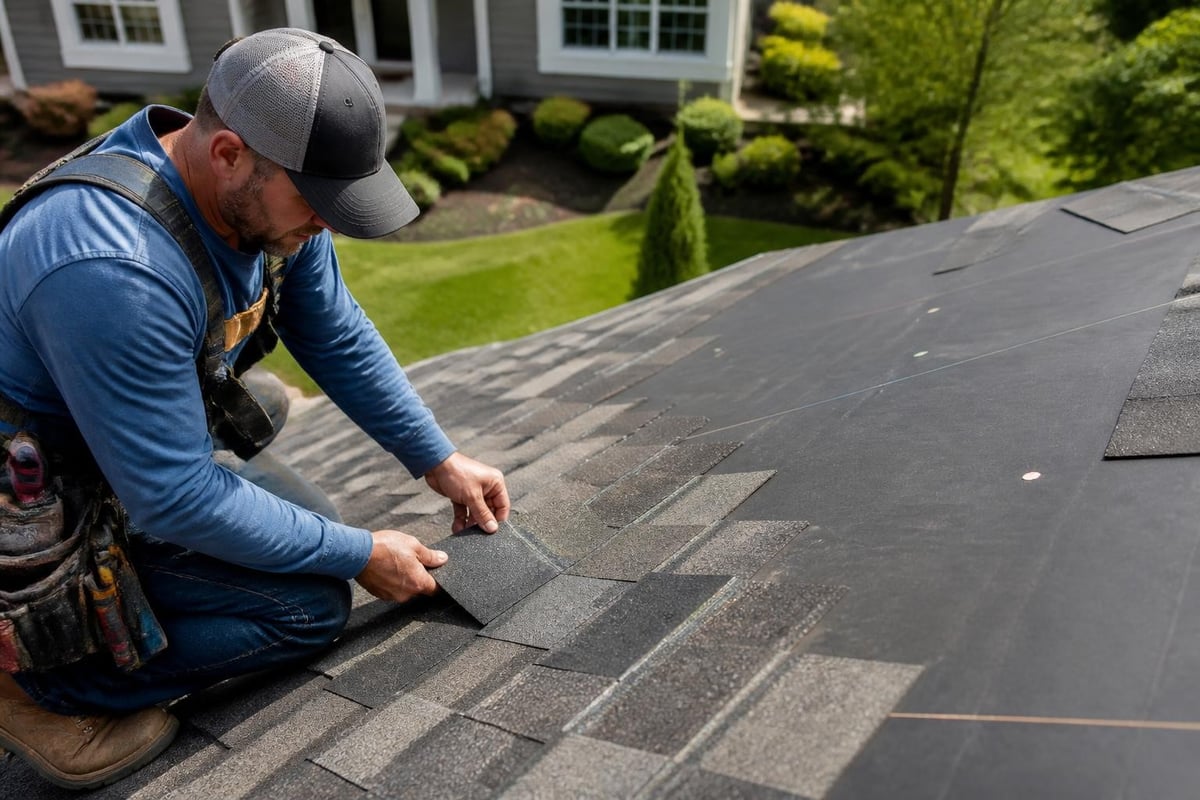
Roofing contractors measure projects in square meters rather than simple perimeter dimensions. A property with 100 square meters of flat roof surface requires significantly different investment than a 200-square-meter installation.
Key measurement considerations include:
Professional measurement ensures accurate quotes. DIY estimates often undercount actual square footage, leading to budget shortfalls mid-project.
Material choice represents the single largest variable in replacement roof cost calculations. Each system offers distinct advantages, lifespans, and price points that property owners must weigh against long-term value.
EPDM (ethylene propylene diene monomer) rubber delivers excellent value for replacement projects. This single-ply membrane comes in large sheets that minimize seams and potential leak points.
The material itself costs €45-€70 per square meter. When factoring installation labor, accessory materials like adhesives and fasteners, and edge treatments, total project costs reach €50-€85 per square meter.
EPDM advantages include:
Thermoplastic membranes like PVC and TPO represent premium flat roofing solutions. These heat-welded systems create exceptionally strong seam bonds that resist separation over decades.
PVC membrane carries higher upfront replacement roof cost, ranging from €65-€95 per square meter installed. TPO falls slightly lower at €60-€90 per square meter. However, both systems justify premium pricing through extended warranties and minimal maintenance requirements.
According to detailed cost breakdowns, thermoplastic roofing systems often prove more economical over their full lifecycle despite higher initial investment. The heat-welded seams eliminate the gradual adhesive degradation that affects other systems.
Traditional built-up roofing (BUR) and modified bitumen systems continue serving commercial and industrial properties effectively. These multi-layer installations provide robust waterproofing through redundant protection layers.
Built-up roof replacement costs typically range from €70-€110 per square meter. The labor-intensive installation process, requiring multiple membrane layers with hot or cold adhesive application, drives these higher rates.
Modified bitumen offers a middle ground at €55-€85 per square meter. The torch-applied or self-adhering sheets install more quickly than traditional BUR while maintaining excellent waterproofing performance.
Material expenses represent only 40-60% of total replacement roof cost on most projects. Skilled labor, equipment, safety measures, and project management constitute the remaining investment.
Flat roof installation demands specialized skills and equipment that justify professional labor rates. In Dublin, experienced roofing contractors charge €150-€300 per day per worker, depending on project complexity and system type.
A typical residential flat roof replacement requiring 3-4 days of work with a two-person crew generates €1,800-€3,600 in labor costs alone. Commercial projects with larger surface areas, complex details, or challenging access conditions increase these figures substantially.
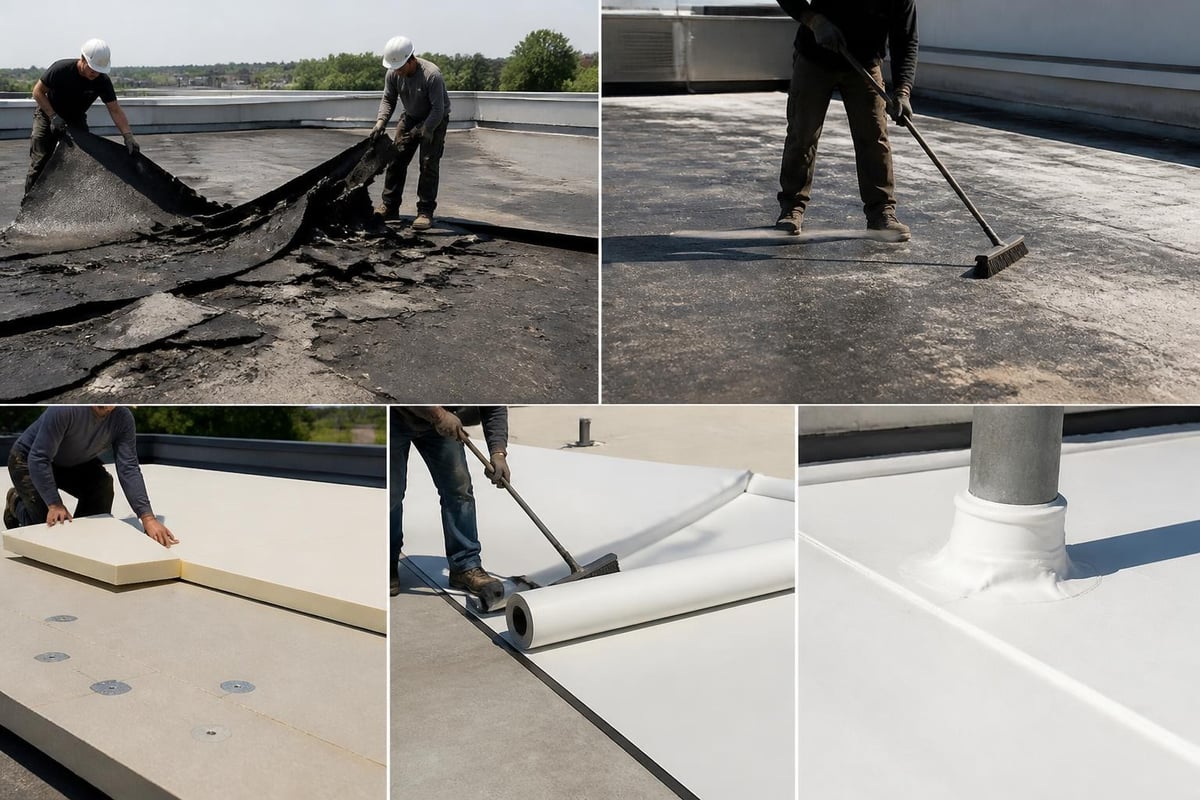
Existing roof system removal adds significant cost to replacement projects. Old membrane removal, substrate repair, and proper disposal of roofing waste requires time, labor, and disposal fees.
Removal cost factors include:
Expect €15-€35 per square meter for complete tear-off and disposal on standard projects. Multiple layers of old roofing, asbestos-containing materials, or difficult access situations increase these costs considerably.
Beyond basic membrane installation, several supplementary expenses affect total replacement roof cost. Property owners must account for these elements when budgeting projects.
Modern building regulations require specified insulation values for roof replacements. Upgrading insulation during membrane replacement represents cost-effective timing since labor costs are already factored into the project.
Rigid insulation boards suitable for flat roofs cost €20-€45 per square meter depending on thickness and R-value. A 100-square-meter roof requiring new insulation adds €2,000-€4,500 to project totals.
However, improved insulation reduces heating costs by 15-30% annually. The comprehensive pricing analysis shows that insulation upgrades typically achieve payback within 5-8 years through energy savings.
Proper drainage extends flat roof lifespan dramatically. Replacement projects offer ideal opportunities to upgrade inadequate drainage that contributed to previous roof failure.
| Drainage Component | Cost Range | Installation Considerations |
|---|---|---|
| Roof drains | €150-€400 each | Requires structural penetration |
| Scupper outlets | €75-€200 each | Edge-mounted, simpler installation |
| Tapered insulation | €25-€50/m² | Creates positive drainage slopes |
| Gutters and downpipes | €30-€65/meter | Directs water away from building |
Investing in superior drainage during replacement prevents premature membrane failure. Standing water degrades even premium roofing materials over time, making proper drainage essential for maximizing return on investment.
Many replacement projects uncover hidden structural issues once old roofing is removed. Rotted decking, failed joists, or inadequate substrate preparation require correction before new membrane installation.
Structural repairs add unpredictable expenses to projects. Budget €500-€2,000 contingency for minor unexpected repairs. Properties with visible sagging, interior water damage, or known structural concerns should anticipate higher repair costs.
Professional contractors perform thorough substrate inspection before providing final quotes. The detailed cost components guide emphasizes the importance of comprehensive pre-installation assessments.
Location significantly influences replacement roof cost through labor rates, material availability, permit requirements, and competitive market conditions.
Dublin's roofing market reflects urban pricing dynamics and Ireland's specialized flat roofing requirements. Labor rates in Dublin run 15-25% higher than rural areas due to higher living costs and strong demand for qualified tradespeople.
Material delivery to Dublin properties benefits from excellent supplier access and competitive pricing. However, city project logistics (parking restrictions, noise regulations, working hour limitations) can extend installation timelines and increase labor costs.
Dublin property owners should account for:
Project timing affects both pricing and installation quality. Ireland's climate creates distinct seasonal considerations for flat roof replacement.
Spring and autumn represent ideal installation windows. Moderate temperatures optimize membrane adhesion and curing. However, these peak seasons also command premium pricing due to high contractor demand.
Winter installations carry 10-20% lower labor costs but weather delays risk project extensions. Summer offers reliable weather but summer holidays can limit contractor availability. Strategic timing balances cost savings against installation conditions and scheduling reliability.
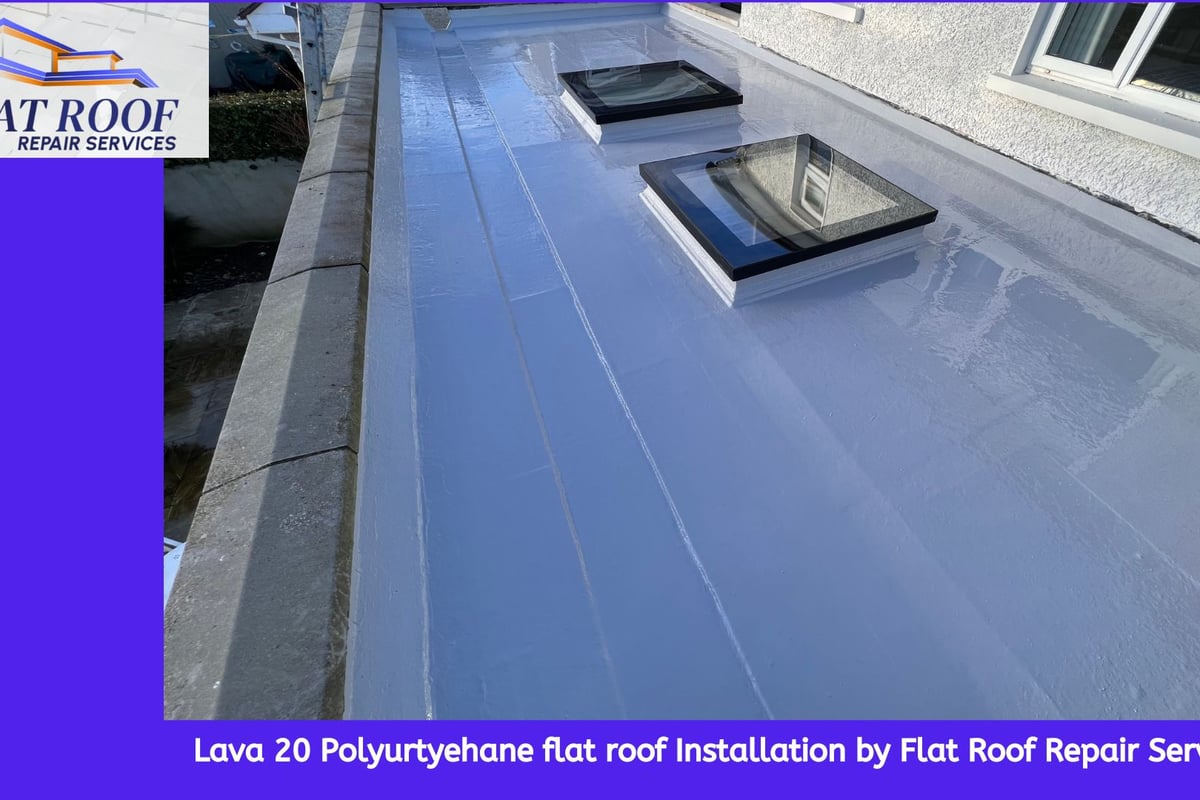
For Dublin property owners seeking reliable flat roof replacement with transparent pricing and proven quality, Flat Roof Repair Services brings over 25 years of specialized experience to every project. Their comprehensive approach ensures accurate cost estimates, professional installation, and long-term performance backed by substantial guarantees.
Understanding replacement roof cost represents only the first step. Smart property owners develop comprehensive financing strategies that align roofing investments with overall property management goals.
Most roofing contractors offer flexible payment schedules rather than requiring full upfront payment. Typical structures include:
Avoid contractors demanding full payment upfront. Legitimate professionals understand that payment security protects both parties and demonstrates confidence in their work quality.
The lowest quote rarely delivers optimal long-term value. According to current pricing insights, property owners who prioritize quality materials and experienced contractors typically enjoy 40-60% longer roof lifespans.
Consider total lifecycle costs when evaluating quotes:
Quality installation affects performance as much as material selection. Even premium membranes fail prematurely when improperly installed by inexperienced crews.
Warranty coverage significantly impacts replacement roof cost value proposition. Understanding warranty types, limitations, and transferability helps property owners make informed decisions.
Material manufacturers provide warranties covering membrane defects, premature degradation, and material failures. Standard warranties range from 10-30 years depending on product tier.
Key warranty distinctions include:
Premium materials commanding higher replacement roof cost often include superior warranty protection. A 25-year full replacement warranty provides substantially more value than a 15-year prorated material-only warranty.
Contractor workmanship warranties protect against installation errors and defects. Reputable flat roofing specialists like those at Flat Roof Repair offer substantial workmanship guarantees reflecting confidence in their installation quality.
Standard workmanship warranties cover 5-10 years. Premium contractors extend coverage to 15-25 years, providing property owners long-term peace of mind that installation quality will support material performance.
Collecting multiple quotes reveals market pricing and helps identify exceptionally high or suspiciously low bids. However, effective quote comparison requires understanding what each proposal includes.
Comprehensive roofing quotes should detail every cost component clearly. The quote evaluation framework recommends verifying quotes include:
Vague quotes lacking detailed specifications make fair comparison impossible and create opportunities for scope disputes during installation.
Certain contractor behaviors signal potential problems that outweigh any replacement roof cost savings:
The comprehensive cost analysis demonstrates that problematic contractors often deliver work requiring extensive repairs or premature replacement, ultimately costing property owners far more than premium contractor fees.
| Contractor Quality Factor | Impact on Long-Term Cost |
|---|---|
| Proper licensing/insurance | Protects against liability claims |
| Manufacturer certifications | Ensures warranty validity |
| Established local reputation | Indicates reliable service |
| Detailed written contracts | Prevents scope disputes |
| Clear communication | Reduces misunderstandings |
Post-installation maintenance significantly influences total lifetime replacement roof cost. Proactive maintenance extends roof lifespan and prevents minor issues from escalating into expensive failures.
Budget €200-€500 annually for professional flat roof inspections and minor maintenance. This modest investment identifies developing problems before they require expensive repairs.
Essential maintenance activities include:
Regular maintenance extends roof lifespan by 30-50%. A well-maintained EPDM roof lasting 40 years delivers far better value than a neglected installation failing after 20 years.
Even premium roofing systems eventually require replacement. Forward-thinking property owners begin accumulating replacement reserves early, avoiding financial strain when replacement becomes necessary.
For a €7,000 flat roof replacement with 30-year expected lifespan, setting aside €235 annually creates adequate replacement reserves. This proactive approach eliminates sticker shock and rushed contractor selection when replacement time arrives.
Understanding complete lifecycle economics transforms replacement roof cost from unexpected expense into manageable, predictable property maintenance. Property owners who plan strategically enjoy superior roofing performance without financial stress.
Navigating replacement roof cost requires understanding numerous interconnected factors from material selection to contractor expertise and long-term maintenance planning. Dublin property owners benefit from working with experienced specialists who provide transparent pricing, quality materials, and professional installation that maximizes long-term value. Flat Roof Repair combines over 25 years of flat roofing expertise with comprehensive guarantees and customer-focused service, ensuring your roofing investment delivers decades of reliable performance. Contact their team today for a detailed assessment and transparent quote tailored to your specific property needs.
Roof Inspection and Repair: A Complete Guide for 2026
15 July 2026
Roof Repair Patch: Complete Guide for Flat Roofs
14 July 2026
Flat Roof Home: Design, Benefits & Considerations
13 July 2026
Membrane Roof Repair: Professional Guide for 2026
12 July 2026
Roofing Assessment: Expert Guide for Property Owners
11 July 2026

ExpertiseExpertise
With over two decades of experience, our certified roofing specialists are the best in the business.

UnmatchedUnmatched
Our Lava 20 system guarantees top-notch durability, backed by a solid 25-year guarantee.

Customer-CentricCustomer-Centric
At Flat Roof Repair Services, customer satisfaction is our top priority.
 Let’s get started on your flat roof project today. Contact us for a free consultation and
discover how our expert roofing solutions can benefit your property.

2 years ago
Thank you @flatroofrepairservices for an amazing experience. All aspects of the job were explained from start to finish. Very friendly, competent and diligent team with expert knowledge and skill.
2 years ago
A great company with great flat roof experience thank you for repairing our flat roof.
2 years ago
Hired this company to carry out our new flat roof installation I must say from start to finish they were fantastic to work with our new flat roof installation is fantastic and we got a really great price. Thank you guys
2 years ago
I had an issue of roof leaking. I got best flat roofer in Dublin from Google search and they fixed roof leaking immediately. They gave me best quote for my new house flat roofing installation too. I am satisfied with his expert crew. Highly recommend Darren Flat roofer crew in Dublin
3 years ago
Was a pleasure to have these lads do my flat roof everything was done exactly how I wanted it dine and left to tidy and neat great people to deal with thanks so much darren
3 years ago
Exceptional Service and Outstanding Results! I recently had the pleasure of working with Flat Roof Repair Services for the installation of my flat roof, and I couldn't be more pleased with the outcome. From the initial consultation to the completion of the project, their team demonstrated professionalism, expertise, and a genuine commitment to customer satisfaction. The quality of workmanship is evident in every detail of our new roof. It's not only functional but also enhances the overall appearance of our property. The team was timely, efficient, and kept me informed throughout the process, making it a seamless and stress-free experience. I am delighted to be a very satisfied customer and would highly recommend Flat Roof Repair Services to anyone in need of a reliable and high-quality roofing solution. Their dedication to excellence is truly commendable, and it's clear they take great pride in their work. A heartfelt thank you to the entire team for their exceptional service.