charlene gannon
2 years ago


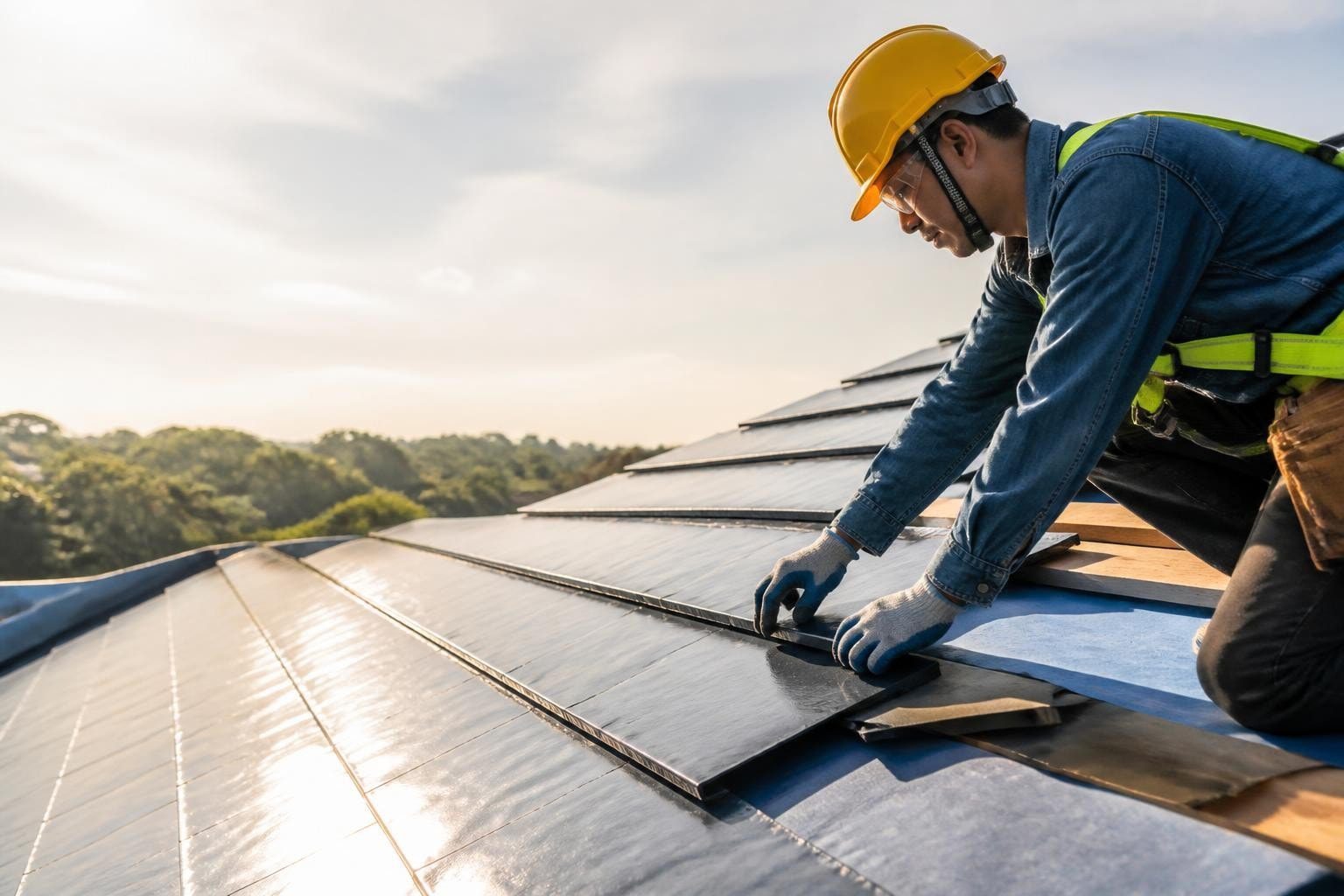
Choosing premier roofing solutions is one of the most critical decisions property owners and facilities managers face when protecting their long-term investment. The roofing industry has evolved significantly, with advanced materials, installation techniques, and maintenance protocols transforming how we approach building protection. Understanding what constitutes premier roofing solutions helps you make informed choices that balance initial investment with lifecycle performance, ensuring your property remains secure and weather-tight for decades to come.
Premier roofing solutions represent the highest standard of roofing craftsmanship, combining superior materials with expert installation and comprehensive warranty protection. These systems go beyond basic weather protection to deliver enhanced durability, energy efficiency, and aesthetic appeal. According to the National Roofing Contractors Association, quality roofing systems require careful planning, professional execution, and ongoing maintenance to achieve optimal performance.
The distinction between standard and premier roofing solutions lies in multiple factors. Material quality forms the foundation, with premium membranes, underlays, and fastening systems designed to withstand extreme weather conditions. Installation expertise ensures proper application of these materials, while comprehensive warranties provide long-term protection for your investment.
Premium roofing systems integrate several critical elements that work together to create lasting protection:
The roofing membrane represents the primary defence against weather elements. Modern premier roofing solutions utilise materials such as EPDM, TPO, PVC, and modified bitumen, each offering distinct advantages for specific applications. Material selection depends on climate conditions, building use, budget constraints, and expected service life.
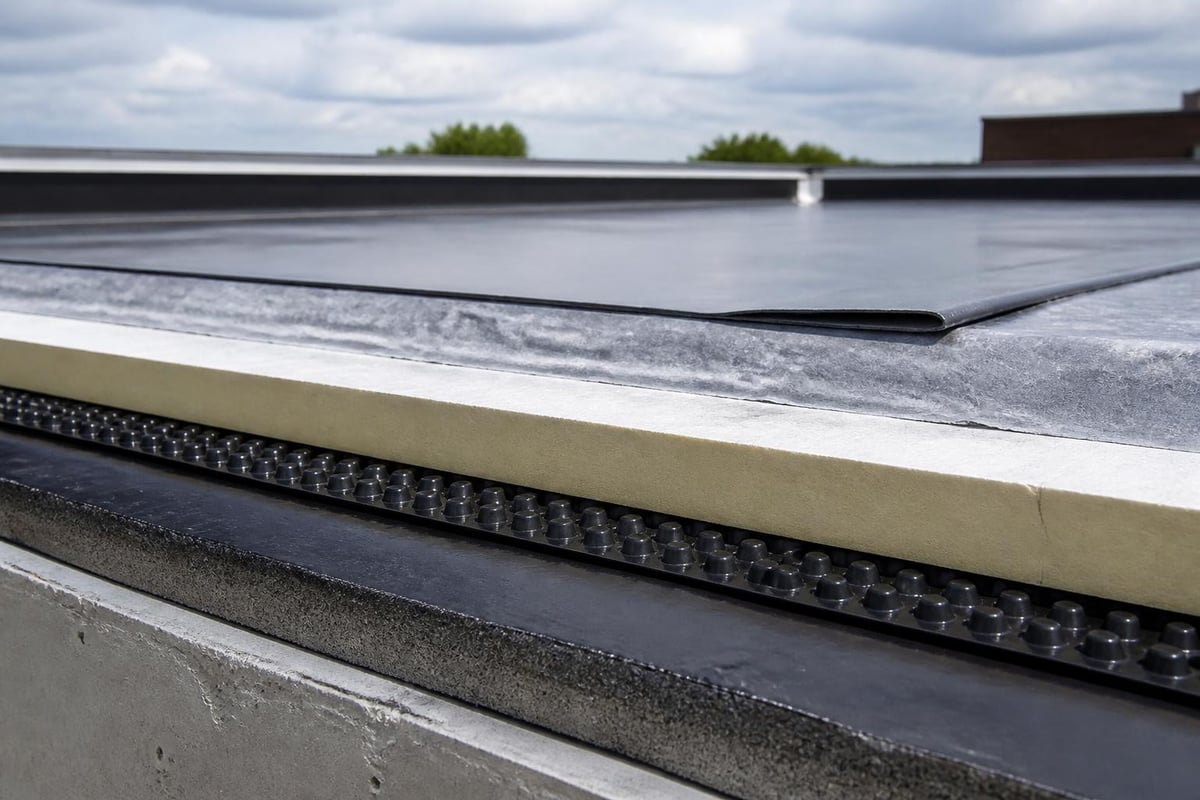
Choosing the right roofing material stands as one of the most important decisions in any roofing project. Premier roofing solutions offer various material options, each engineered for specific performance characteristics and environmental conditions.
| Membrane Type | Lifespan | Key Benefits | Ideal Applications |
|---|---|---|---|
| EPDM Rubber | 20-25 years | Excellent weather resistance, cost-effective | Commercial flat roofs, moderate climates |
| TPO | 15-20 years | Heat-reflective, energy efficient | Large commercial buildings, hot climates |
| PVC | 20-30 years | Superior chemical resistance, weldable seams | Industrial facilities, high-traffic areas |
| Modified Bitumen | 15-20 years | Excellent waterproofing, multi-layer protection | Mixed-use buildings, traditional construction |
Owens Corning emphasises that material selection should consider not only initial cost but also long-term performance, maintenance requirements, and energy efficiency contributions. Premium materials often command higher upfront investment but deliver superior durability and lower lifecycle costs.
Climate considerations significantly influence material selection for premier roofing solutions. Ireland’s maritime climate presents unique challenges with frequent rainfall, moderate temperatures, and occasional frost conditions. Roofing systems must handle moisture effectively while accommodating thermal movement and maintaining flexibility in varying temperatures.
Modern premier roofing solutions incorporate advanced insulation technologies that dramatically improve building energy performance. Proper insulation reduces heat transfer, lowering energy consumption while enhancing occupant comfort. Insulation materials include:
Energy-efficient roofing systems can reduce heating and cooling costs by 20-30% compared to poorly insulated alternatives. The Environmental Protection Agency recognises properly designed roofing systems as crucial components in sustainable building strategies.
Even the highest-quality materials fail to deliver expected performance without proper installation. Premier roofing solutions require skilled contractors who understand material properties, installation specifications, and quality control procedures.
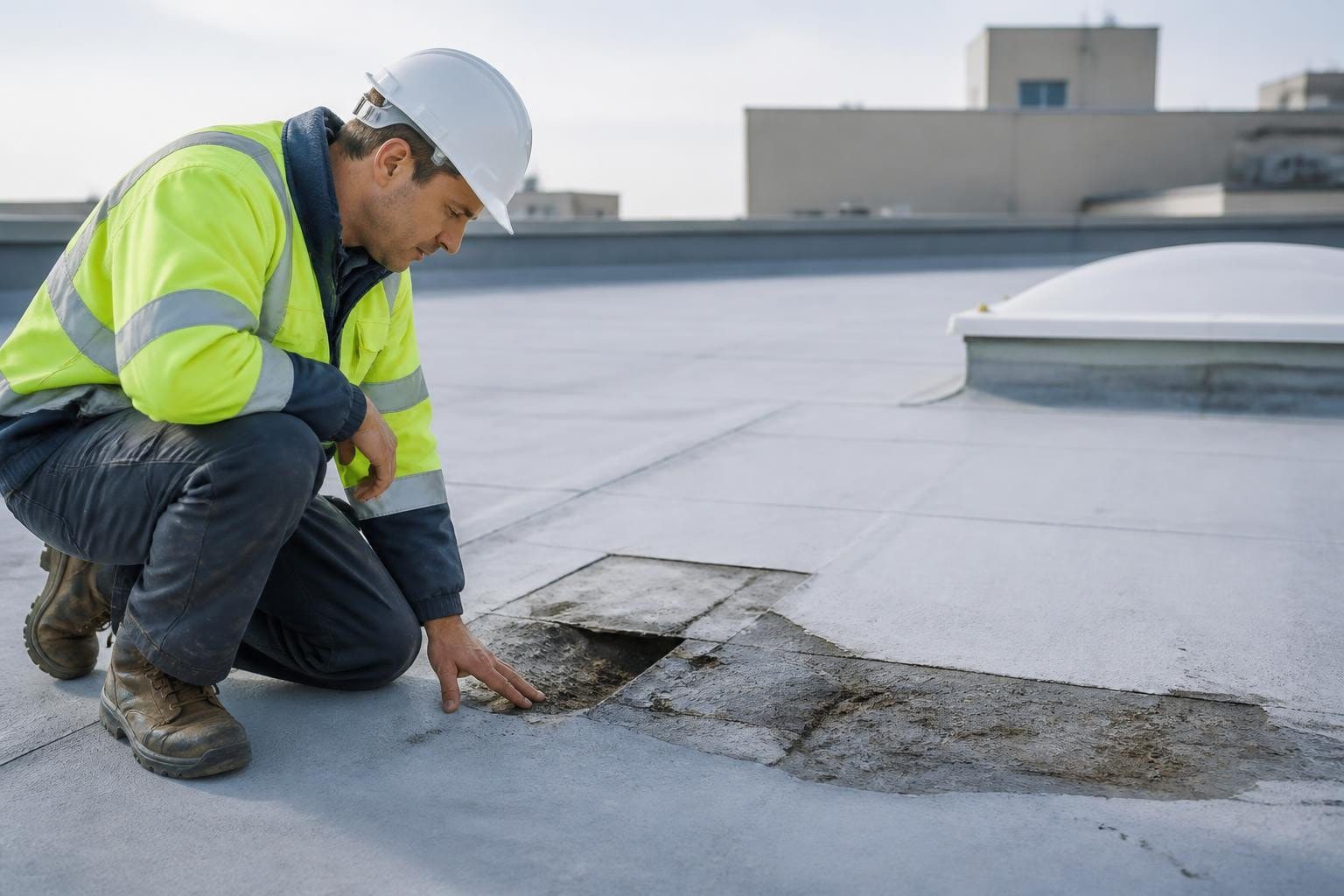
Professional installation begins with thorough substrate preparation. The deck must be clean, dry, and structurally sound before membrane application. Any damaged sections require repair or replacement to ensure a solid foundation. Contractors should inspect and verify substrate conditions, identifying potential problems before they compromise the new roofing system.
Proper fastening techniques ensure the roofing membrane remains secure during high winds and extreme weather events. Mechanical attachment, fully adhered systems, and ballasted installations each offer specific advantages depending on building characteristics and local building regulations. Wind uplift ratings must match or exceed local requirements based on building height, location, and exposure conditions.
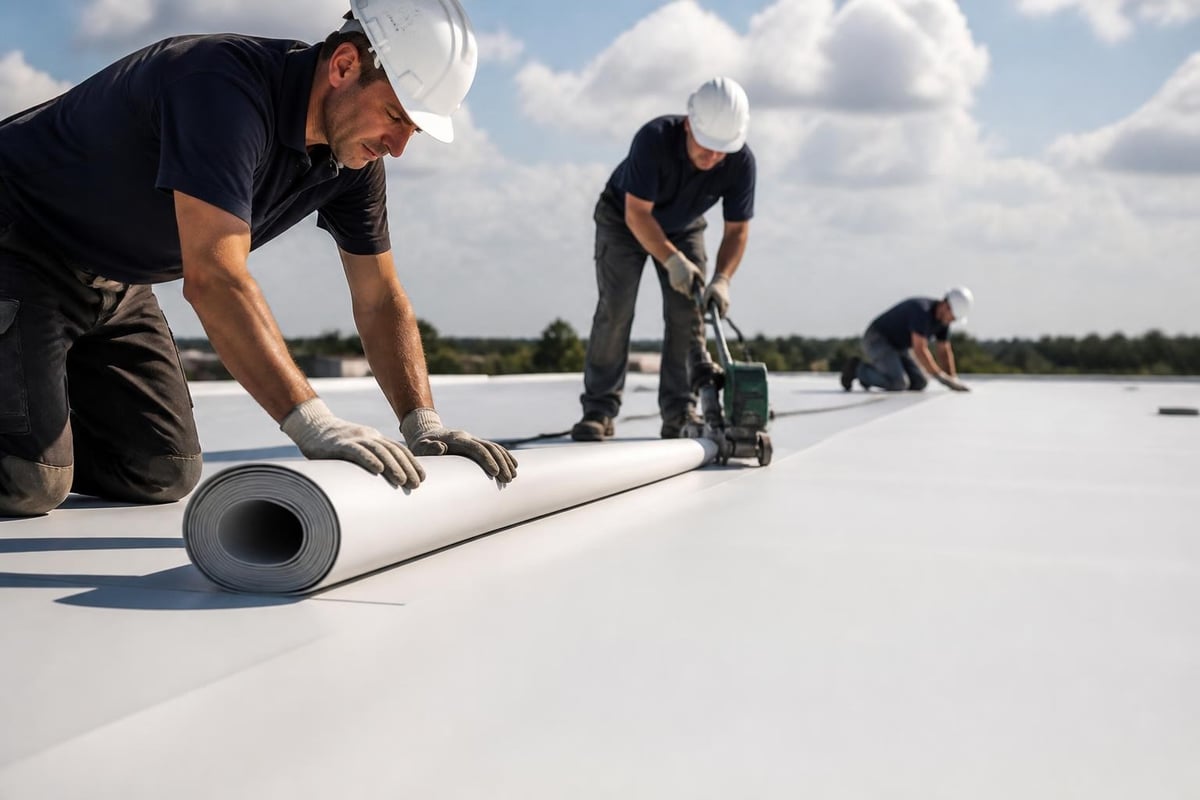
Seam integrity represents perhaps the most critical aspect of flat roof installation. Poorly sealed seams allow water infiltration, leading to expensive repairs and premature system failure. Premier roofing solutions utilise heat-welded seams, adhesive bonding, or self-adhering membranes to create watertight connections between membrane sheets.
| Inspection Stage | Key Checkpoints | Documentation Required |
|---|---|---|
| Pre-installation | Substrate condition, material delivery, weather forecast | Site assessment report |
| During installation | Seam quality, fastener spacing, membrane alignment | Daily progress logs |
| Post-installation | Water testing, flashings, drainage flow | Final inspection certificate |
| Follow-up | Performance verification, warranty activation | Completion documentation |
Third-party inspections provide additional assurance that premier roofing solutions meet manufacturer specifications and industry standards. Independent inspectors verify installation quality, often as a requirement for extended warranty coverage. These inspections document compliance with installation guidelines, protecting both property owners and contractors.
At Flat Roof Repair, our 25-year guarantee reflects our commitment to installation excellence and long-term customer satisfaction. We understand that premier roofing solutions demand meticulous attention to detail at every stage. Our Flat Roof Repair Services team brings over 25 years of specialised experience to every project, ensuring your flat roof performs reliably for decades.
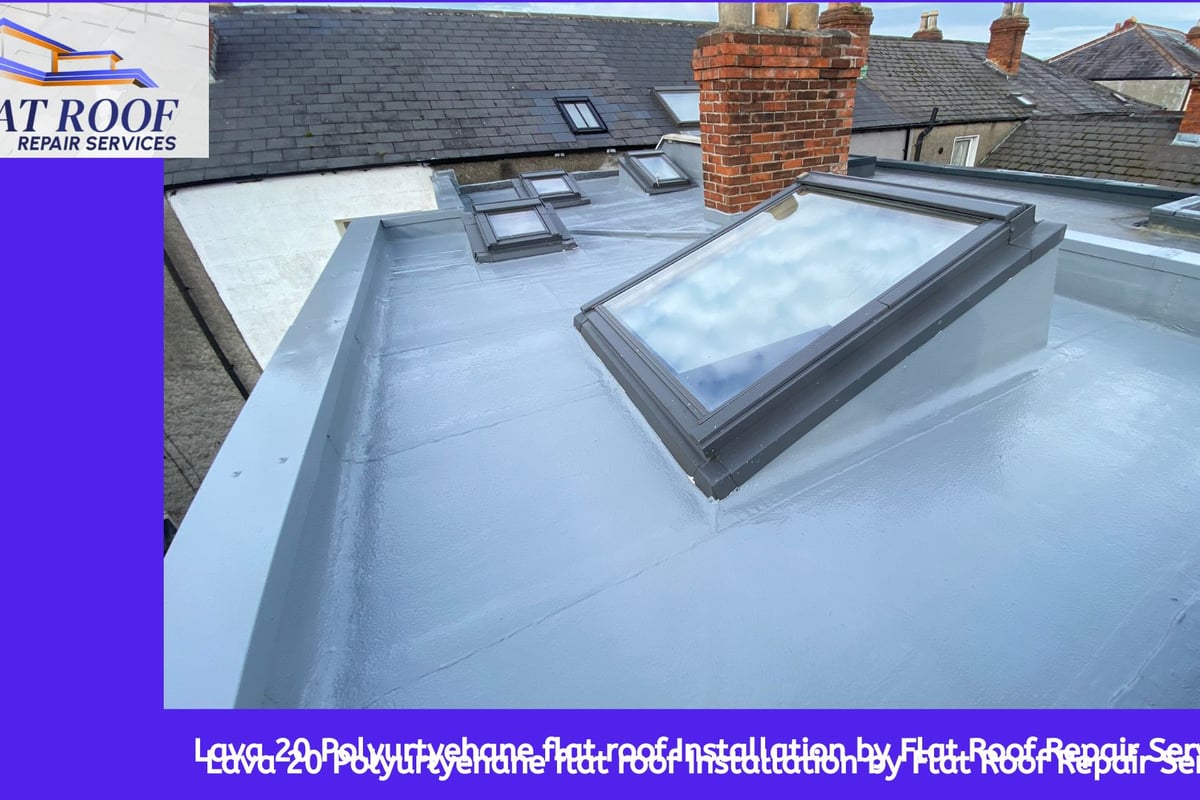
Water represents the primary threat to any roofing system. Premier roofing solutions incorporate multiple waterproofing layers and efficient drainage designs that quickly remove moisture before it causes damage.
Modern flat roofing systems employ redundant waterproofing strategies that provide backup protection if the primary membrane experiences damage. These approaches include:
The U.S. Department of Housing and Urban Development emphasises that comprehensive waterproofing requires careful coordination of all system components, from deck to membrane to drainage outlets.
Flashing details demand particular attention in premier roofing solutions. Penetrations for vents, drains, roof lights, and equipment require specialised flashing that accommodates thermal movement while maintaining watertight seals. Pre-fabricated flashing components offer superior performance compared to field-fabricated alternatives, reducing installation time and improving quality consistency.
Proper drainage design prevents water accumulation that accelerates membrane degradation and increases structural loads. Premier roofing solutions incorporate adequate fall, strategically placed drains, and overflow provisions that handle even extreme rainfall events.
Ponding water, defined as standing water remaining more than 48 hours after rainfall, significantly reduces membrane lifespan. Even premium materials deteriorate faster when constantly exposed to moisture and UV radiation. Professional design eliminates low spots and ensures positive drainage across the entire roof surface.
Premier roofing solutions require ongoing maintenance to achieve their full service life potential. Regular inspections, preventive maintenance, and prompt repairs protect your investment while avoiding expensive emergency situations.
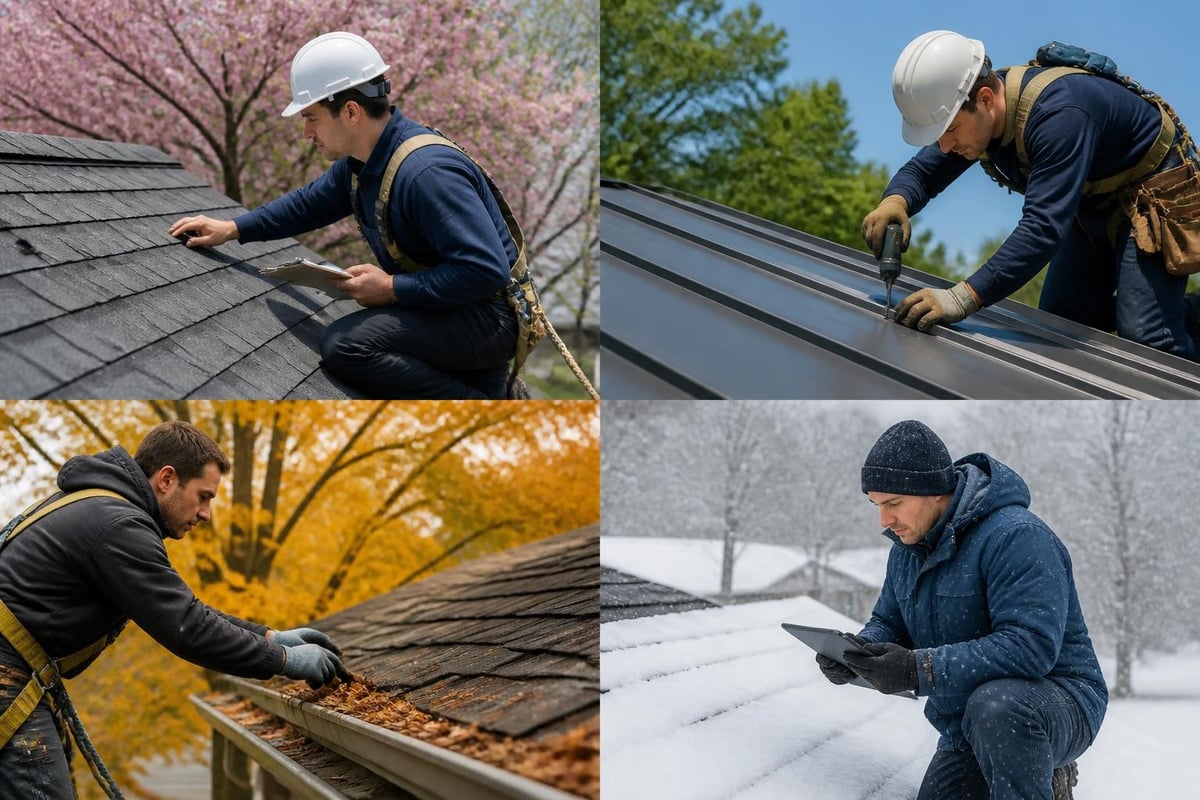
Seasonal inspections identify minor issues before they escalate into major problems. Spring inspections assess winter damage and prepare the roof for summer weather, while autumn inspections ensure drainage systems function properly before winter precipitation. Professional contractors document conditions, track changes over time, and recommend necessary repairs.
Maintenance activities include debris removal, drain cleaning, seam inspection, and flashing verification. Simple tasks like clearing leaves and branches prevent drain blockages that cause water accumulation. Regular membrane cleaning removes dirt and biological growth that accelerate material degradation.
| Problem | Causes | Solutions |
|---|---|---|
| Membrane blistering | Trapped moisture, poor adhesion | Patch repairs, improved ventilation |
| Seam separation | Thermal stress, installation defects | Re-seal or re-weld affected seams |
| Ponding water | Inadequate fall, drain blockages | Improve drainage, add tapered insulation |
| Punctures | Foot traffic, falling debris | Immediate patching, walkway pads |
According to Roofing Contractor magazine, proactive maintenance programmes extend roofing system lifespan by an average of 40% compared to reactive repair approaches. The industry continues to emphasise preventive strategies as cost-effective alternatives to premature replacement.
Documentation plays a crucial role in maintaining premier roofing solutions. Detailed maintenance records track repairs, material applications, and condition assessments over time. This documentation supports warranty claims, helps plan future budgets, and provides valuable information for eventual replacement decisions.
Comprehensive warranty coverage distinguishes premier roofing solutions from basic installations. Quality warranties protect against material defects, installation errors, and premature system failure, providing peace of mind and financial security.
Material warranties from manufacturers typically guarantee product performance for specified periods, ranging from 10 to 30 years depending on material quality and system design. These warranties cover manufacturing defects but often exclude damage from improper installation, maintenance neglect, or extreme weather events.
Workmanship warranties from contractors protect against installation errors and application defects. Premier roofing contractors offer extended workmanship warranties, demonstrating confidence in their installation quality. Combined material and labour warranties provide the most comprehensive protection, covering both product and installation for the warranty period.
Warranty maintenance requirements must be strictly followed to maintain coverage. Most warranties require annual professional inspections and documentation of maintenance activities. Failing to meet these requirements can void warranty protection, leaving property owners responsible for repair costs.
Premier roofing solutions deliver superior value when evaluated over their entire service life rather than initial installation cost alone. Lifecycle cost analysis considers:
A premium system costing 30% more initially but lasting 50% longer with lower maintenance requirements often proves more economical than cheaper alternatives. Energy savings from high-performance insulation and reflective membranes further improve the value proposition.
The roofing industry continues to develop innovative solutions that improve performance while reducing environmental impact. Premier roofing solutions increasingly incorporate sustainable materials, energy-saving technologies, and renewable energy integration.
Vegetative roof systems transform flat roofs into productive green spaces that provide multiple benefits. These systems reduce stormwater run-off, improve air quality, create urban habitat, and significantly reduce building energy consumption. While requiring specialised installation and maintenance, green roofs represent the pinnacle of sustainable roofing solutions.
Cool roofing technologies utilise highly reflective membranes that minimise heat absorption, reducing cooling loads and urban heat island effects. White or light-coloured membranes can lower surface temperatures by 28-39 degrees Celsius compared to dark membranes, dramatically improving energy efficiency in warm climates.
Solar integration represents another frontier in premier roofing solutions. Modern systems accommodate solar panels through specialised mounting systems that preserve membrane integrity while generating renewable energy. Ballasted solar arrays, attached racking systems, and building-integrated photovoltaics offer varying levels of integration and performance.
Emerging technologies bring enhanced monitoring and performance optimisation to roofing systems. Moisture sensors detect leaks before visible damage occurs, enabling prompt repairs that prevent extensive water damage. Temperature monitoring identifies areas of inadequate insulation or air leakage requiring attention.
Remote monitoring systems provide real-time performance data accessible through smartphone applications. Property managers can track roof conditions, receive maintenance alerts, and document system performance without physical inspections. These technologies support proactive maintenance strategies that maximise system lifespan.
The contractor you choose significantly impacts the success of your roofing project. Premier roofing solutions require experienced professionals who understand material properties, installation specifications, and quality control procedures.
Certification and training demonstrate a contractor’s commitment to quality and ongoing professional development. Manufacturer certifications indicate training on specific products and installation systems. Industry association memberships, such as with the National Roofing Contractors Association, signal dedication to industry standards and best practice.
Experience with your specific roofing type matters tremendously. Flat roofing requires different skills and knowledge than pitched roofing systems. Contractors specialising in your roof type bring valuable expertise that improves installation quality and reduces the risk of errors.
Insurance verification protects you from liability for worker injuries or property damage during installation. Request certificates of insurance showing adequate public liability and employers’ liability coverage. Verify that coverage remains current throughout your project duration.
The roofing industry continues to evolve, with emerging technologies and changing climate conditions driving innovation in premier roofing solutions. Understanding future trends helps property owners make forward-looking decisions that accommodate coming changes.
Climate change brings increased frequency of extreme weather events, requiring more resilient roofing systems. Enhanced wind resistance, improved hail protection, and superior waterproofing become increasingly important as storms intensify. Material manufacturers develop products specifically engineered for challenging weather conditions.
Sustainability requirements continue to strengthen as building regulations incorporate energy efficiency mandates and environmental performance standards. Premier roofing solutions increasingly emphasise recycled content, recyclability, and reduced environmental impact throughout the product lifecycle. Carbon footprint considerations influence material selection and installation methods.
Digital technologies transform how roofing projects are designed, installed, and maintained. Building information modelling enables precise planning and coordination before installation begins. Drone inspections provide detailed roof surveys without safety risks associated with physical access. Artificial intelligence analyses inspection data to predict maintenance needs and optimise repair timing.
Premier roofing solutions deliver lasting value through superior materials, professional installation, and comprehensive maintenance programmes that protect your property investment for decades. Whether you need flat roof repairs, complete replacement, or ongoing maintenance services, Flat Roof Repair brings over 25 years of specialised expertise to every project in Dublin. Our commitment to quality workmanship and customer satisfaction, backed by a 25-year guarantee, ensures your roofing system performs reliably through all weather conditions. Get in touch with us today to discuss your roofing needs and discover how our proven solutions can protect your property.
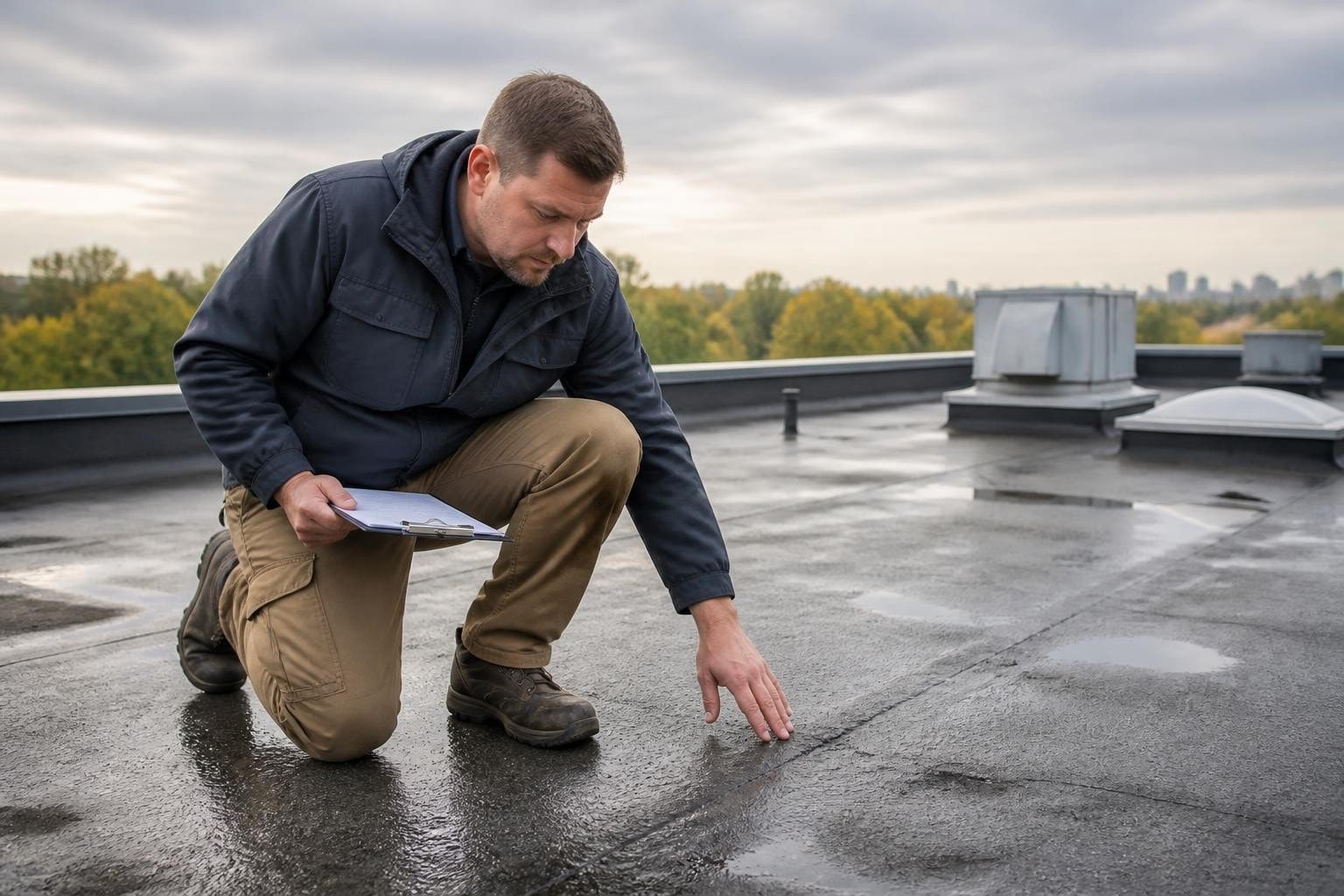
Roof Inspection and Repair: A Complete Guide for 2026
15 July 2026
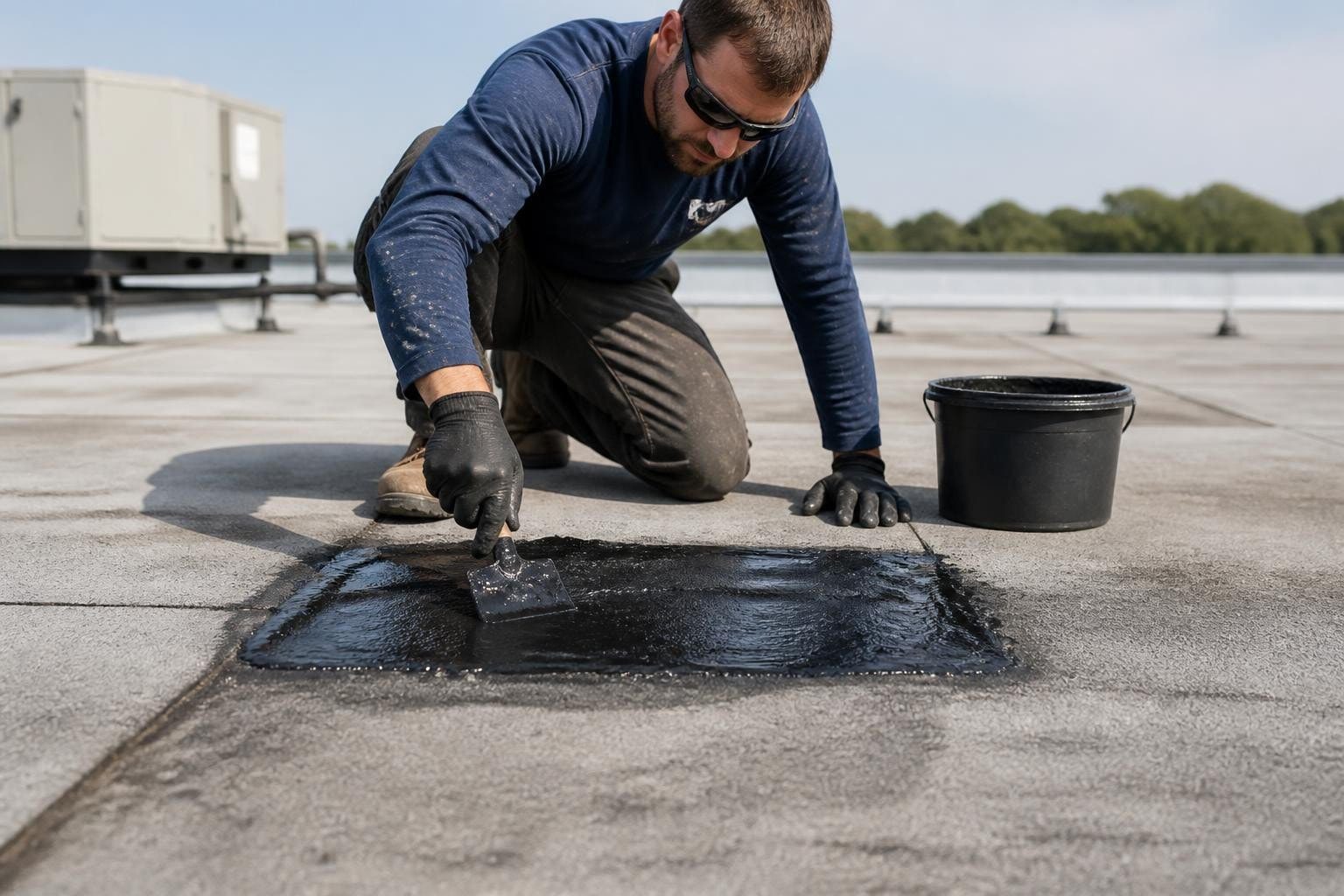
Roof Repair Patch: Complete Guide for Flat Roofs
14 July 2026
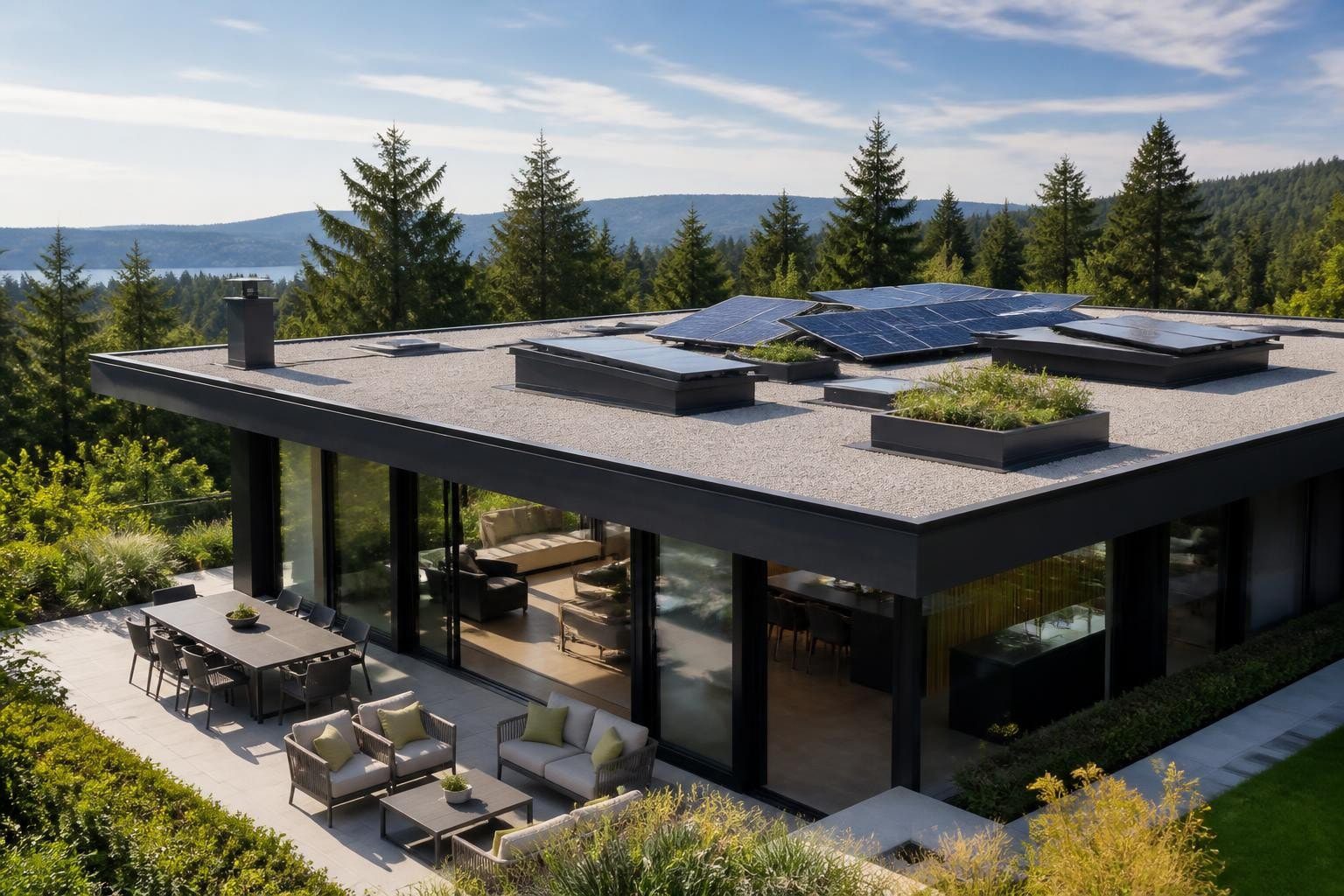
Flat Roof Home: Design, Benefits & Considerations
13 July 2026
Membrane Roof Repair: Professional Guide for 2026
12 July 2026

Roofing Assessment: Expert Guide for Property Owners
11 July 2026

ExpertiseExpertise
With over two decades of experience, our certified roofing specialists are the best in the business.

UnmatchedUnmatched
Our Lava 20 system guarantees top-notch durability, backed by a solid 25-year guarantee.

Customer-CentricCustomer-Centric
At Flat Roof Repair Services, customer satisfaction is our top priority.
 Let’s get started on your flat roof project today. Contact us for a free consultation and
discover how our expert roofing solutions can benefit your property.

2 years ago
Thank you @flatroofrepairservices for an amazing experience. All aspects of the job were explained from start to finish. Very friendly, competent and diligent team with expert knowledge and skill.
2 years ago
A great company with great flat roof experience thank you for repairing our flat roof.
2 years ago
Hired this company to carry out our new flat roof installation I must say from start to finish they were fantastic to work with our new flat roof installation is fantastic and we got a really great price. Thank you guys
2 years ago
I had an issue of roof leaking. I got best flat roofer in Dublin from Google search and they fixed roof leaking immediately. They gave me best quote for my new house flat roofing installation too. I am satisfied with his expert crew. Highly recommend Darren Flat roofer crew in Dublin
3 years ago
Was a pleasure to have these lads do my flat roof everything was done exactly how I wanted it dine and left to tidy and neat great people to deal with thanks so much darren
3 years ago
Exceptional Service and Outstanding Results! I recently had the pleasure of working with Flat Roof Repair Services for the installation of my flat roof, and I couldn't be more pleased with the outcome. From the initial consultation to the completion of the project, their team demonstrated professionalism, expertise, and a genuine commitment to customer satisfaction. The quality of workmanship is evident in every detail of our new roof. It's not only functional but also enhances the overall appearance of our property. The team was timely, efficient, and kept me informed throughout the process, making it a seamless and stress-free experience. I am delighted to be a very satisfied customer and would highly recommend Flat Roof Repair Services to anyone in need of a reliable and high-quality roofing solution. Their dedication to excellence is truly commendable, and it's clear they take great pride in their work. A heartfelt thank you to the entire team for their exceptional service.