charlene gannon
2 years ago


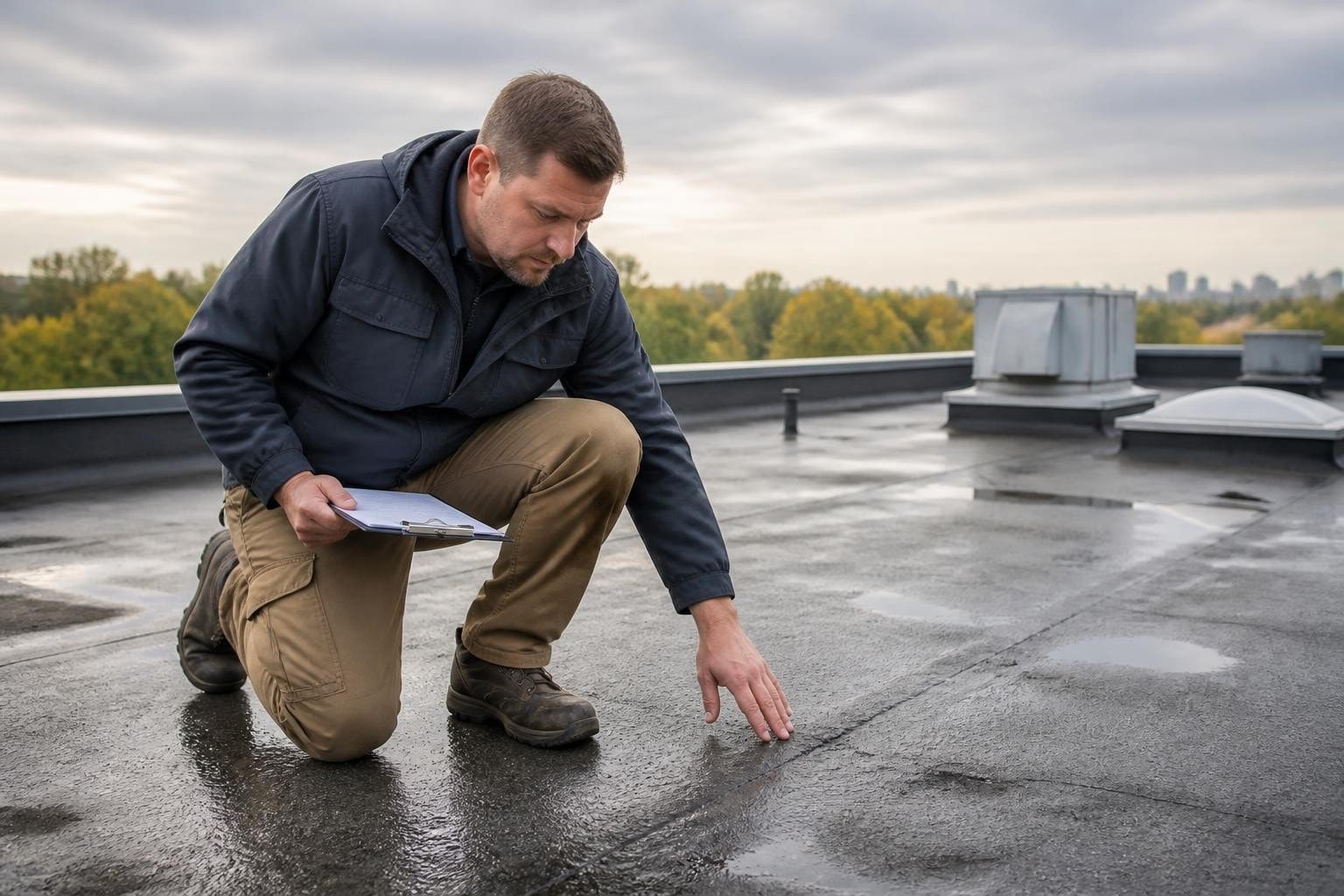
Regular roof inspection and repair services represent one of the most critical aspects of property maintenance, yet they’re often overlooked until problems become severe. If you are considering a roof inspection and repair programme Dublin property owners can rely on, understanding what’s included is essential. Property owners across Dublin and beyond frequently underestimate the value of proactive assessments, only to face costly emergency repairs when minor issues escalate into major structural concerns. Understanding the inspection process and knowing when to schedule repairs can save thousands of pounds whilst extending your roof’s lifespan significantly.
The importance of systematic roof assessments cannot be overstated. Professional roof inspection and repair programmes help identify potential problems before they compromise your property’s integrity. Most roofing experts recommend biannual inspections, particularly for flat roofs which face unique challenges compared to pitched alternatives.
<a href=”https://www.rics.org/” target=”_blank”>RICS</a>
Weather conditions in Ireland present specific challenges for roof systems. Heavy rainfall, strong winds, and temperature fluctuations throughout the year contribute to membrane degradation, joint separation, and water pooling. These environmental factors make regular inspections essential rather than optional.
Investing in regular roof inspection and repair activities delivers substantial financial returns. Consider these key benefits:
The National Roof Certification and Inspection Association’s LeakFREE® process demonstrates how comprehensive five-zone inspections create detailed assessments that inform maintenance strategies. This structured approach ensures no potential issues go unnoticed.
Professional roof assessments follow systematic protocols that examine every component of your roofing system. Inspectors evaluate structural elements, waterproofing membranes, drainage systems, and protective coatings to create a complete picture of roof condition.
The typical inspection encompasses several distinct zones. Field membrane areas receive scrutiny for blistering, cracking, or punctures. Perimeter edges undergo examination for proper termination and wind resistance. Drainage components require verification of clear pathways and functional outlets.
During a comprehensive roof inspection and repair assessment, professionals examine specific indicators of current problems and potential future failures:
| Component | Common Issues | Severity Indicators |
|---|---|---|
| Membrane Surface | Blistering, cracking, splitting | Size and depth of damage |
| Seams and Joints | Separation, lifting, deterioration | Gap width and location |
| Drainage Systems | Blockages, ponding, slope issues | Water depth and coverage area |
| Flashings | Rust, separation, improper installation | Gaps exposing substrate |
| Fasteners | Corrosion, backing out, missing caps | Number and distribution |
Professional inspectors also assess less obvious factors. They measure ponding water depth and duration, check insulation condition where accessible, and evaluate the overall system age against expected service life. Roof inspection services typically include detailed documentation with photographs and specific repair recommendations.
Flat roofing systems face distinct challenges that demand specialized knowledge during roof inspection and repair interventions. Understanding these common problems helps property owners recognize when professional assessment becomes necessary.
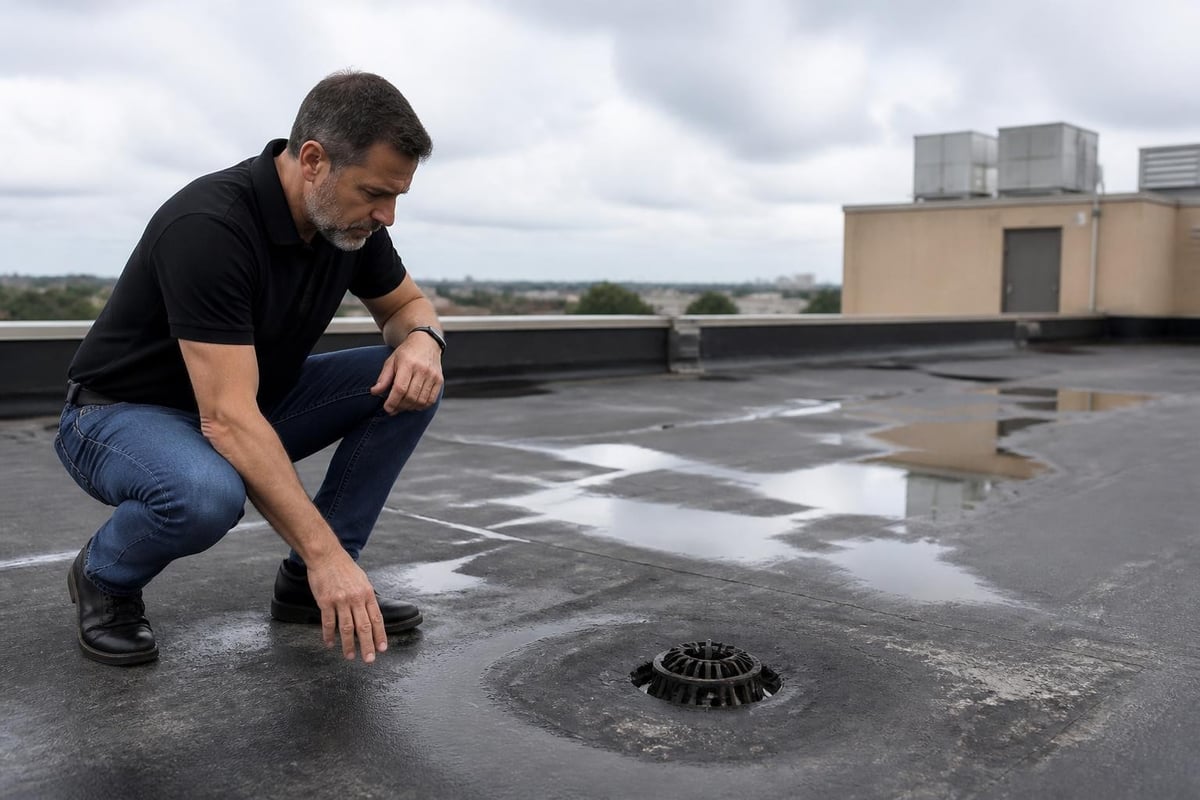
Water accumulation represents the most frequent issue affecting flat roofs. Whilst slight water retention within 48 hours after rainfall is acceptable, persistent ponding indicates drainage inadequacies or structural sagging. This standing water accelerates membrane deterioration and increases leak probability.
Drainage issues stem from various sources. Inadequate initial design, settling foundations, blocked outlets, or insufficient roof slope all contribute to water retention. Addressing these problems may require slope enhancement, additional drains, or tapered insulation systems.
Roofing membranes endure constant environmental stress. UV radiation, temperature cycling, and physical impacts gradually degrade protective surfaces. Common membrane problems include:
Each deterioration type requires specific repair approaches. Minor cracks may need coating applications, whilst extensive blistering often necessitates membrane replacement in affected sections.
Flashings around roof penetrations, perimeter edges, and parapet walls create critical waterproofing transitions. These areas experience heightened stress and movement, making them vulnerable failure points. Proper roof inspection and repair protocols pay special attention to flashing condition.
Metal flashings corrode over time, particularly in coastal environments. Membrane flashings may separate from vertical surfaces or develop cracks at transition points. National roofing construction standards emphasize proper flashing installation as essential for long-term performance.
Modern roof inspection and roof repair assessments employ various techniques beyond visual examination. These advanced methods detect hidden problems that surface inspections might miss.
Traditional visual assessments remain fundamental to roof evaluation. Experienced inspectors identify subtle indicators of underlying problems through careful observation. They examine surface conditions, test membrane adhesion, check fastener tightness, and probe suspicious areas.
Physical testing includes destructive and non-destructive methods. Core samples reveal layering systems and moisture content. Pull tests measure adhesion strength. However, comprehensive roof inspection checklists ensure systematic coverage of all critical elements without unnecessary invasive procedures.
Thermal imaging cameras detect temperature variations across roof surfaces. Wet insulation appears cooler than dry areas in thermal scans, revealing moisture intrusion invisible to naked eyes. This technology proves particularly valuable for large commercial flat roofs where manual moisture detection would be impractical.
Infrared surveys work best under specific conditions. Clear skies, temperature differentials between interior and exterior, and dry surface conditions optimize detection accuracy. Moisture surveys significantly inform repair-or-replace decisions, providing data-driven insights into system condition.
Electrical impedance scanning identifies breaches in waterproof membranes. This method applies low-voltage electrical current across the roof surface, with conductivity changes indicating moisture pathways. The technology pinpoints exact leak locations, eliminating guesswork in roof inspection and repair planning.
Timing roof inspections or assessments appropriately maximizes their value. Whilst regular scheduled inspections form the foundation of preventive maintenance, certain situations demand immediate professional evaluation.
Recommended inspection schedule:
Seasonal timing matters. Spring inspections identify winter damage before summer storms, whilst autumn assessments prepare roofs for harsh winter conditions. At Flat Roof Repair Services, our story is one of growth, dedication, and unwavering commitment, founded in Dublin in 2003. Our 25 years of experience means we understand precisely when intervention prevents minor issues from becoming major problems.
Following thorough inspection, property owners face critical decisions about repair scope. Several factors influence whether targeted repairs suffice or complete replacement becomes necessary.
| Consideration | Repair Indicators | Replacement Indicators |
|---|---|---|
| Damage Extent | Isolated areas (less than 25%) | Widespread (over 30% of surface) |
| System Age | Under 15 years | Approaching or exceeding expected lifespan |
| Previous Repairs | Few, successful interventions | Multiple failed repair attempts |
| Budget Constraints | Limited immediate funding | Lifecycle cost analysis favours replacement |
| Future Plans | Short-term property ownership | Long-term investment property |
The NRCA Manual of Roof Maintenance and Repair provides comprehensive guidance on evaluating these factors systematically. Professional contractors should present clear cost-benefit analyses comparing repair and replacement options.
Proper roof inspection and repair execution requires adherence to industry standards and manufacturer specifications. ASTM D7186-12 establishes quality assurance observation practices that ensure repairs meet contracted specifications and accepted construction practices.
Whether you manage a single property or a portfolio, a consistent roof inspection and repair programme reduces long-term maintenance costs.
Quality repairs address root causes rather than symptoms. Simply patching visible damage without correcting underlying drainage issues or structural problems leads to recurring failures. Comprehensive approaches examine why damage occurred and implement solutions preventing recurrence.
Property owners occasionally attempt roof assessments themselves, hoping to save costs. Whilst basic visual checks from ground level provide some value, they cannot substitute for professional evaluations.
Untrained individuals lack the expertise to recognize subtle warning signs or understand their implications. Walking on flat roofs without proper knowledge risks causing additional damage. Safety concerns present genuine hazards, particularly on larger or higher structures.
Professional inspectors carry appropriate equipment, insurance coverage, and technical knowledge. They understand manufacturer specifications, local building codes, and proper repair techniques. Their documented inspection reports provide valuable records for warranty claims and property transactions.
Certain situations absolutely require professional roof inspection and repair expertise:
Proactive maintenance between professional assessments extends roof life and reduces repair needs. Property owners can implement straightforward practices that protect their investment without requiring technical expertise.
Keep drainage systems clear by removing debris from gutters, drains, and scuppers quarterly. Trim overhanging branches that drop leaves or may damage membranes during storms. After significant weather events, perform visual checks from ground level for obvious damage signs.
Document roof condition through dated photographs. This photographic record helps identify gradual changes and provides valuable information during professional inspections. Maintain records of all inspections, repairs, and maintenance activities in a dedicated file.
Most roofing warranties require regular professional maintenance to remain valid. Understanding what to expect during roof inspections helps property owners meet these obligations whilst protecting their warranty coverage.
A structured roof inspection and repair schedule is one of the most cost-effective ways to protect your property over time.
Property owners who invest in regular roof inspection and repair avoid the far higher costs associated with emergency intervention.
Our team’s approach to roof inspection and repair combines thorough assessment with practical, budget-conscious solutions.
Whether you manage a single property or a portfolio, a consistent roof inspection and repair programme reduces long-term maintenance costs.
Manufacturers typically specify inspection frequency and documentation requirements. Missing scheduled assessments may void warranty protection, leaving property owners financially exposed for repair costs that would otherwise receive coverage.
Emerging technologies transform how professionals conduct roof inspection and repair evaluations. Drone photography enables detailed assessments without roof access in certain situations. Research into rooftop geometry datasets advances automated inspection methodologies that may supplement traditional approaches.
Digital documentation tools create comprehensive inspection reports with annotated photographs, thermal images, and detailed condition ratings. Cloud-based platforms allow property owners to access historical inspection data, track repair recommendations, and monitor roof performance over time.
These technological advances complement rather than replace professional expertise. Skilled inspectors interpret data, understand context, and provide actionable recommendations that automated systems cannot yet deliver.
Successful roof management requires strategic planning beyond reactive repairs. Develop a comprehensive maintenance programme that schedules regular inspections, budgets for anticipated repairs, and plans for eventual replacement.
Strategic maintenance components:
This proactive approach transforms roof inspection and repair from crisis management into predictable maintenance. Property owners gain control over timing and costs rather than facing emergency situations at inconvenient times.
Professional roofing contractors should partner with property owners in developing these strategies. They provide realistic cost projections, help establish appropriate budgets, and recommend optimal intervention timing based on comprehensive roof knowledge.
Effective roof inspection and repair programmes protect your property investment whilst avoiding costly emergency interventions. Regular professional assessments identify problems early, extend system lifespan, and ensure optimal performance throughout your roof’s service life. Whether you’re managing a commercial building or residential property in Dublin, Flat Roof Repair brings over 25 years of specialist expertise to every inspection and repair project, backed by our comprehensive 25-year guarantee and unwavering commitment to customer satisfaction.
Roof Repair Patch: Complete Guide for Flat Roofs
14 July 2026
Flat Roof Home: Design, Benefits & Considerations
13 July 2026
Membrane Roof Repair: Professional Guide for 2026
12 July 2026
Roofing Assessment: Expert Guide for Property Owners
11 July 2026
EPDM Rubber Roof Replacement: Complete Guide 2026
10 July 2026

ExpertiseExpertise
With over two decades of experience, our certified roofing specialists are the best in the business.

UnmatchedUnmatched
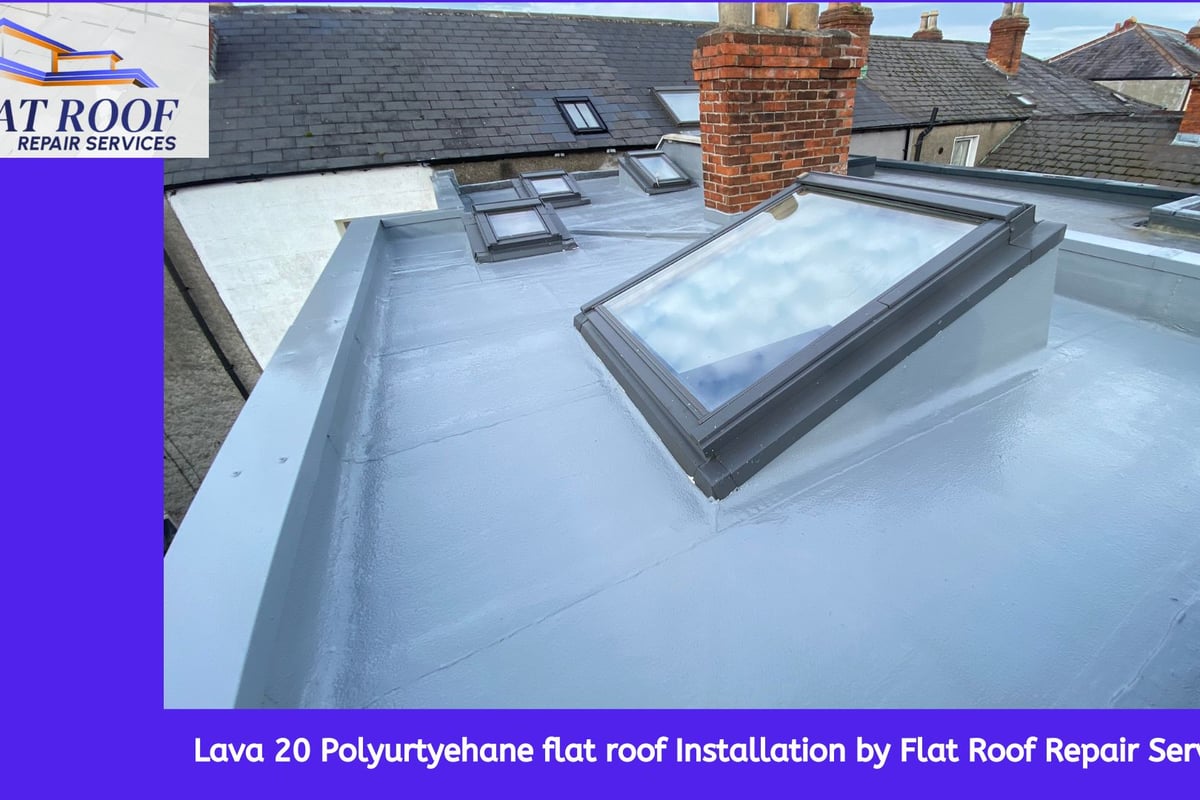
Our Lava 20 system guarantees top-notch durability, backed by a solid 25-year guarantee.

Customer-CentricCustomer-Centric
At Flat Roof Repair Services, customer satisfaction is our top priority.
 Let’s get started on your flat roof project today. Contact us for a free consultation and
discover how our expert roofing solutions can benefit your property.

2 years ago
Thank you @flatroofrepairservices for an amazing experience. All aspects of the job were explained from start to finish. Very friendly, competent and diligent team with expert knowledge and skill.
2 years ago
A great company with great flat roof experience thank you for repairing our flat roof.
2 years ago
Hired this company to carry out our new flat roof installation I must say from start to finish they were fantastic to work with our new flat roof installation is fantastic and we got a really great price. Thank you guys
2 years ago
I had an issue of roof leaking. I got best flat roofer in Dublin from Google search and they fixed roof leaking immediately. They gave me best quote for my new house flat roofing installation too. I am satisfied with his expert crew. Highly recommend Darren Flat roofer crew in Dublin
2 years ago
Was a pleasure to have these lads do my flat roof everything was done exactly how I wanted it dine and left to tidy and neat great people to deal with thanks so much darren
2 years ago
Exceptional Service and Outstanding Results! I recently had the pleasure of working with Flat Roof Repair Services for the installation of my flat roof, and I couldn't be more pleased with the outcome. From the initial consultation to the completion of the project, their team demonstrated professionalism, expertise, and a genuine commitment to customer satisfaction. The quality of workmanship is evident in every detail of our new roof. It's not only functional but also enhances the overall appearance of our property. The team was timely, efficient, and kept me informed throughout the process, making it a seamless and stress-free experience. I am delighted to be a very satisfied customer and would highly recommend Flat Roof Repair Services to anyone in need of a reliable and high-quality roofing solution. Their dedication to excellence is truly commendable, and it's clear they take great pride in their work. A heartfelt thank you to the entire team for their exceptional service.