charlene gannon
2 years ago


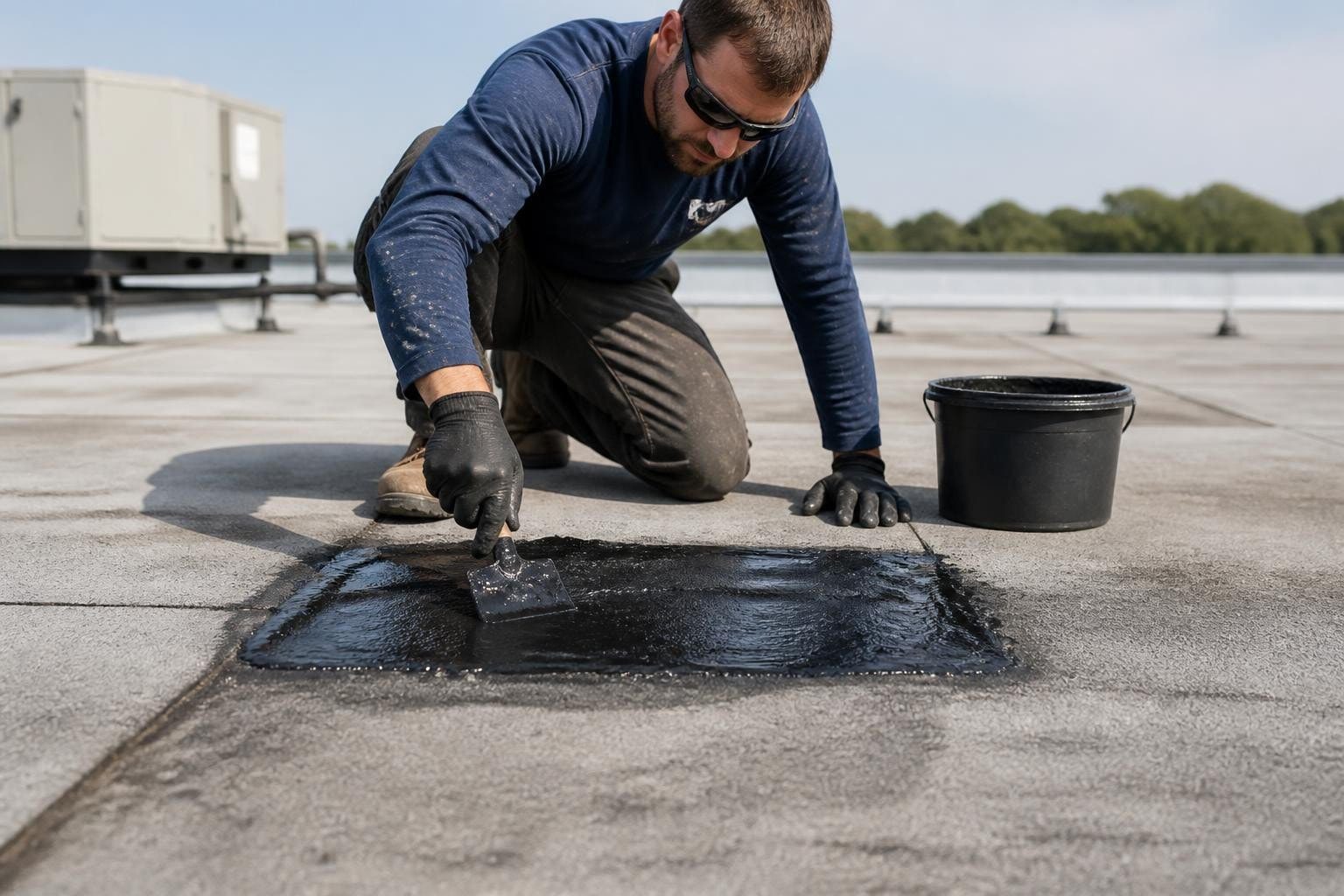
When water begins seeping through your flat roof, quick action becomes essential to prevent extensive structural damage and costly repairs. A roof repair patch offers an effective, immediate solution for addressing leaks, punctures, and deteriorated sections of flat roofing systems. Understanding the proper techniques, materials, and application methods ensures your repair withstands Dublin’s challenging weather conditions whilst extending your roof’s service life. Whether you’re managing a commercial property or residential flat roof, mastering patch repair techniques can save thousands in replacement costs.
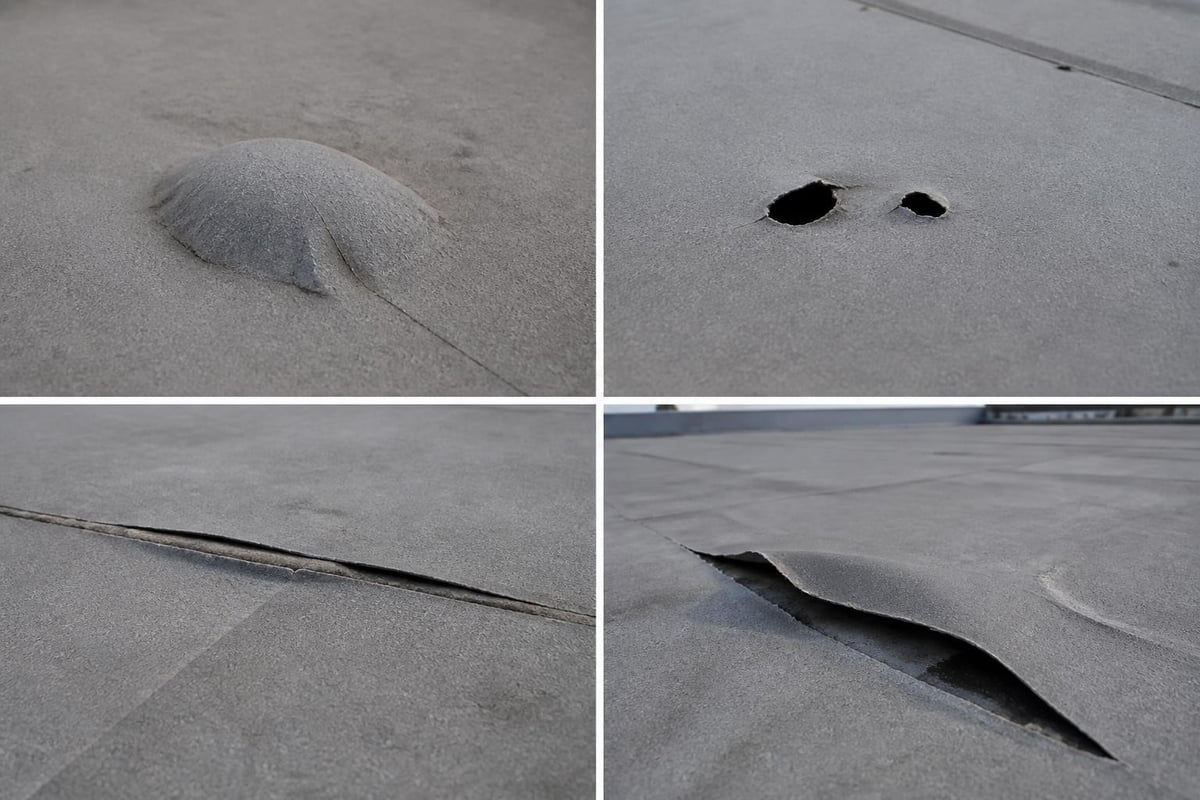
Flat roofs face unique challenges that differentiate them from pitched systems. Water pooling, UV exposure, and thermal expansion create stress points that eventually compromise membrane integrity. Identifying damage early allows for targeted repairs rather than complete roof replacement.
Different damage types require specific patching approaches. Blistering occurs when moisture becomes trapped beneath the roofing membrane, creating bubbles that eventually crack. Punctures from foot traffic, falling debris, or equipment installation create immediate leak points requiring urgent attention.
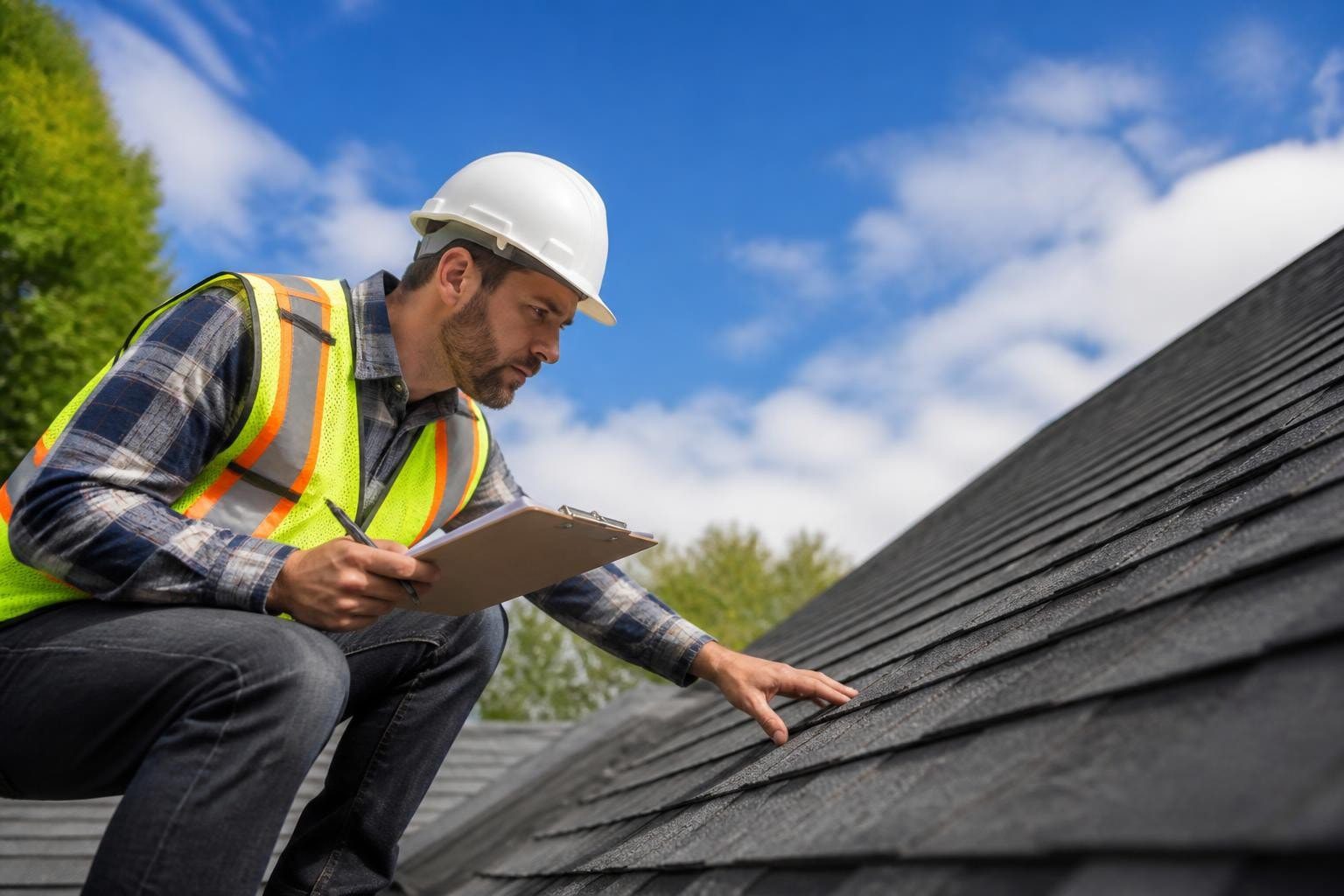
Detecting these issues early prevents minor problems escalating into major structural concerns. Regular inspections, particularly after severe weather events, help identify areas requiring a roof repair patch before interior damage occurs.
Proper assessment determines whether patching remains viable or complete replacement becomes necessary. Surface damage covering less than 30% of total roof area typically qualifies for patch repairs, whilst extensive deterioration warrants replacement considerations.
Examine the roof substrate beneath damaged areas. A comprehensive roof patching approach includes checking for water damage to insulation and decking materials. Moisture meters detect hidden water retention that standard visual inspection misses.
Document damage locations, measurements, and photographic evidence. This documentation assists in material calculations and provides baseline information for future maintenance planning.
Material selection directly impacts repair longevity and performance. The roofing system type dictates compatible patching products, as incompatible materials may fail to bond properly or create additional problems.
| Roofing System | Recommended Patch Material | Application Method | Expected Lifespan |
|---|---|---|---|
| EPDM Rubber | EPDM patch kit with primer | Cold adhesive bonding | 10-15 years |
| TPO Membrane | TPO welding patches | Heat welding | 15-20 years |
| Built-Up Roofing | Bitumen and felt layers | Hot tar application | 8-12 years |
| Modified Bitumen | Self-adhesive patches | Cold or torch-down | 10-15 years |
| Felt Roofing | Bitumen-based patches | Adhesive with coating | 5-10 years |
Selecting appropriate materials for different roofing types ensures compatibility and optimal adhesion. Using mismatched products creates weak points vulnerable to future failure.
Premium materials cost more initially but deliver superior performance and longevity. Commercial-grade patching compounds contain higher concentrations of binding agents and weather-resistant additives compared to budget alternatives.
Key quality indicators include:
Professional-grade products typically offer 5-10 year warranties, whilst consumer-grade options may provide limited or no guarantee. When selecting a roof repair patch system, balance upfront costs against long-term performance expectations.
Successful patching requires meticulous preparation and precise application technique. Rushing through steps or skipping preparation stages compromises repair effectiveness and longevity.
Clean the damaged area thoroughly, removing all dirt, debris, moss, and loose material. Power washing may be necessary for heavily soiled surfaces, though sufficient drying time must follow before patching begins. The repair area should extend at least 150mm beyond visible damage in all directions.
Moisture trapped beneath patches causes premature failure. During Dublin’s frequent rainy periods, schedule repairs during forecasted dry spells lasting at least 48 hours.
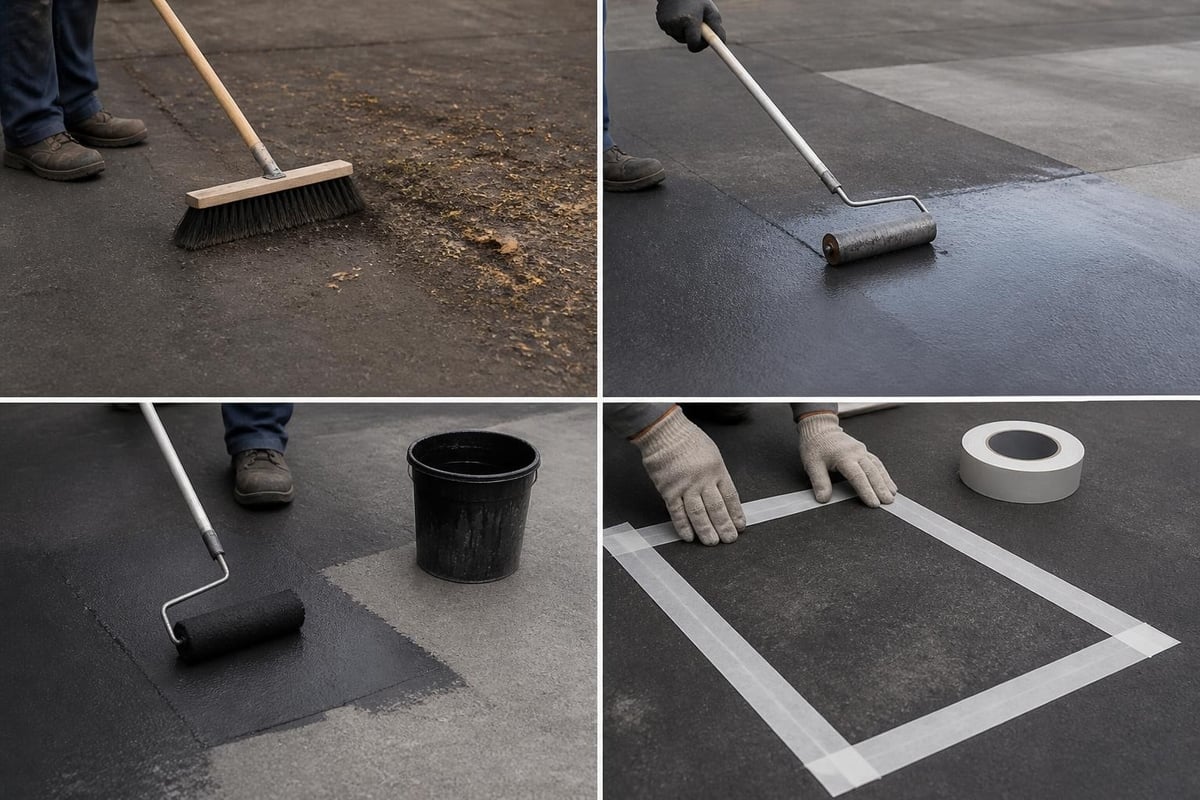
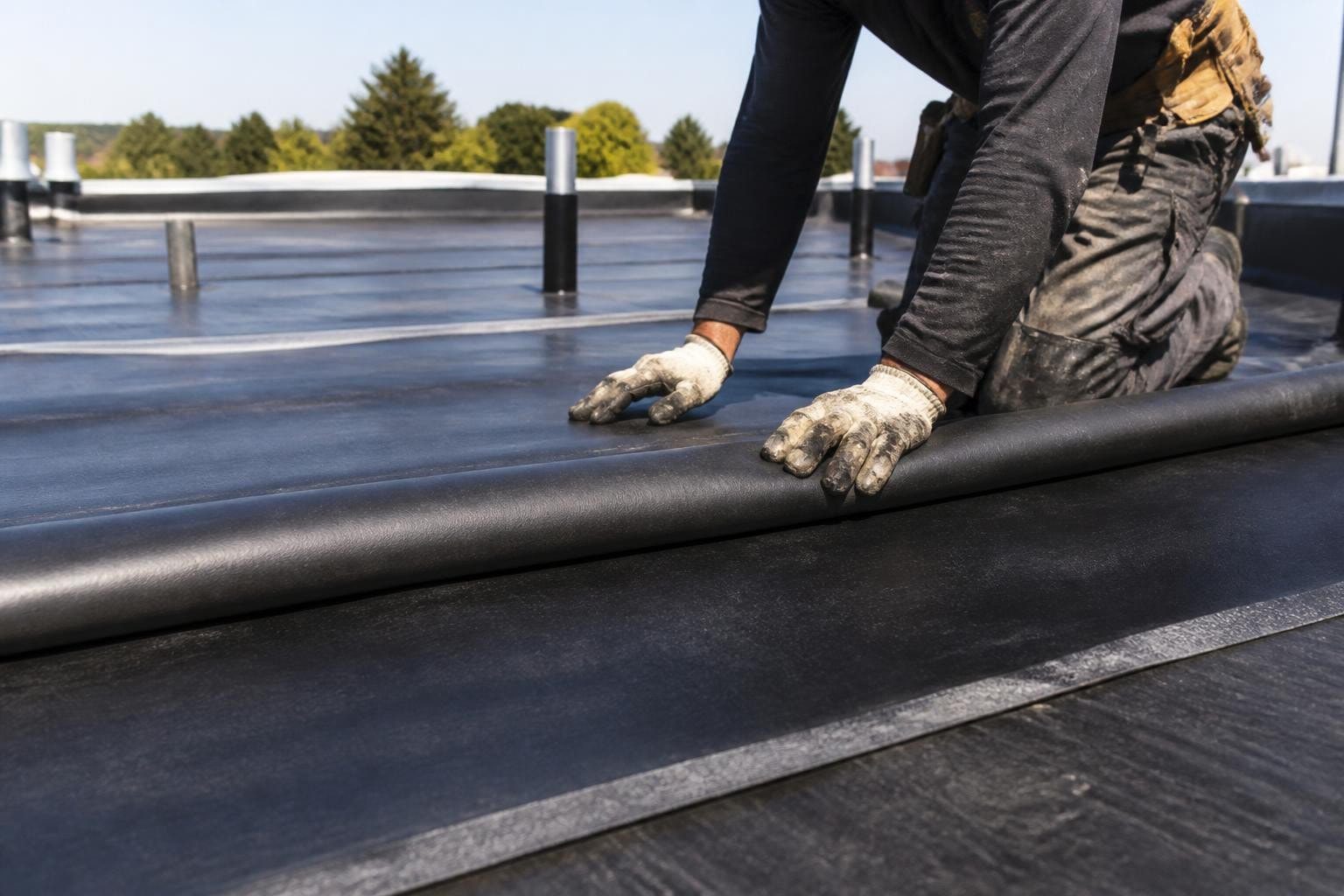
EPDM rubber roofing requires specific adhesive primers and careful air bubble elimination during patch placement. Roll patches from the centre outward, pressing firmly to achieve complete contact without wrinkles or voids.
For TPO systems, heat-welded patch repairs provide superior bonding compared to adhesive-only methods. Hot air welding equipment melts both the patch and existing membrane, creating a seamless molecular bond. This technique requires training and specialised equipment but delivers exceptional durability.
Built-up roofing repairs involve layering felt and bitumen to match existing roof construction. Each layer must cool and set before applying subsequent layers, making these repairs time-intensive but highly effective.
After placing the primary roof repair patch, apply waterproof coating extending beyond patch edges. This additional layer provides redundant protection and creates gradual transitions preventing edge lifting.
Weather conditions during application significantly impact results. Ideal temperatures range between 10°C and 27°C with humidity below 85%. Extreme temperatures or high moisture content compromise material performance and bonding characteristics.
Whilst minor repairs suit capable property owners, certain situations demand professional expertise. Complex damage patterns, structural concerns, or safety hazards require trained specialists with proper equipment and insurance coverage.
Flat roof access poses significant fall risks, particularly on commercial buildings or multi-storey residences. Professional roofing contractors maintain safety equipment, training, and insurance protecting both workers and property owners from liability.
Working at height regulations in Ireland mandate specific safety measures including edge protection, harness systems, and proper access equipment. DIY repairs often overlook these critical safety requirements, creating dangerous working conditions.
Multiple leak points, extensive membrane deterioration, or damage affecting substrate materials exceed typical patch repair capabilities. Understanding when flat roof repairs require professional attention prevents wasted effort on inadequate DIY solutions.
Professional assessment proves essential when:
Flat Roof Repair brings over 25 years of specialised flat roofing experience to every project, combining technical expertise with quality materials and comprehensive guarantees. Their Dublin-based team handles everything from minor patch repairs to complete flat roof installations, backed by a 25-year warranty providing long-term peace of mind.
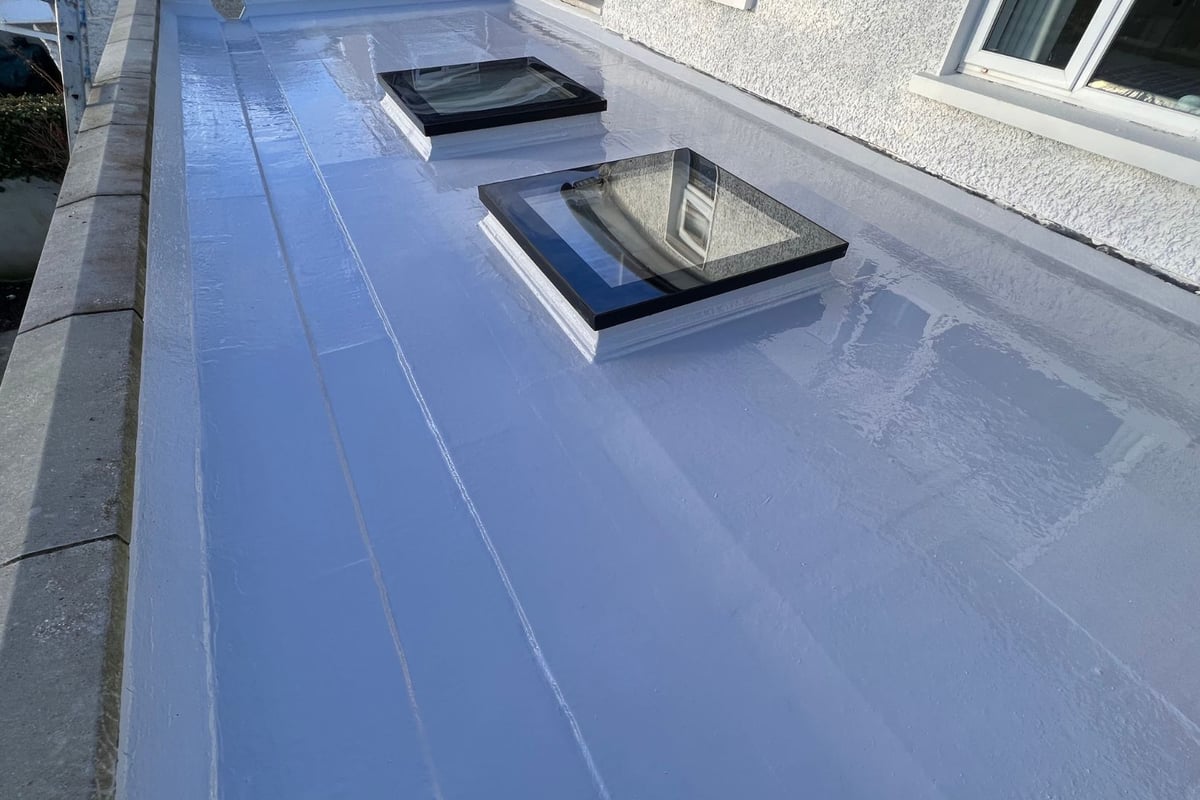
Proper maintenance maximises roof repair patch effectiveness whilst identifying emerging issues before they escalate. Establishing regular inspection schedules prevents minor concerns developing into major problems requiring extensive intervention.
Schedule comprehensive roof inspections quarterly, with additional checks following severe weather events. Spring inspections identify winter damage, whilst autumn assessments ensure readiness for harsh winter conditions.
| Season | Inspection Focus | Common Issues | Preventive Actions |
|---|---|---|---|
| Spring | Winter damage assessment | Ice damage, ponding | Clear drainage, check seams |
| Summer | UV degradation, blistering | Surface cracking, bubbling | Apply protective coating |
| Autumn | Pre-winter preparation | Debris accumulation, blocked drains | Clean thoroughly, seal gaps |
| Winter | Weather damage monitoring | Ice formation, snow load | Remove snow, check for leaks |
Proper flat roof patch maintenance techniques include regular cleaning, drainage system maintenance, and prompt attention to minor issues before they require extensive repairs.
Blocked drains create ponding water that accelerates roof deterioration and compromises patch repairs. Clear gutters, downpipes, and roof drains monthly during autumn when leaf accumulation peaks.
Standing water exceeding 48 hours indicates drainage deficiencies requiring correction. Even well-executed roof repair patch work fails prematurely when subjected to constant water exposure from inadequate drainage.
Understanding repair costs helps property owners budget appropriately and make informed decisions between patching and replacement options. Multiple factors influence total project costs beyond basic material expenses.
DIY roof repair patch materials range from €50-€200 for typical residential repairs, depending on damage extent and product quality. Professional-grade materials cost more but include superior warranties and performance characteristics justifying the premium.
Budget considerations include:
Commercial-scale repairs or extensive damage areas significantly increase material requirements and associated costs. Obtain detailed quotes from multiple suppliers comparing product specifications, not just headline prices.
Professional flat roof repair costs in Dublin typically range from €300-€1,500 depending on damage extent, access difficulty, and roofing system type. Emergency repairs outside standard business hours command premium rates but prevent extensive water damage potentially costing thousands in interior restoration.
Understanding repair versus replacement economics helps determine the most cost-effective long-term solution. Roofs approaching the end of their expected lifespan may warrant replacement rather than investing in extensive patch repairs.
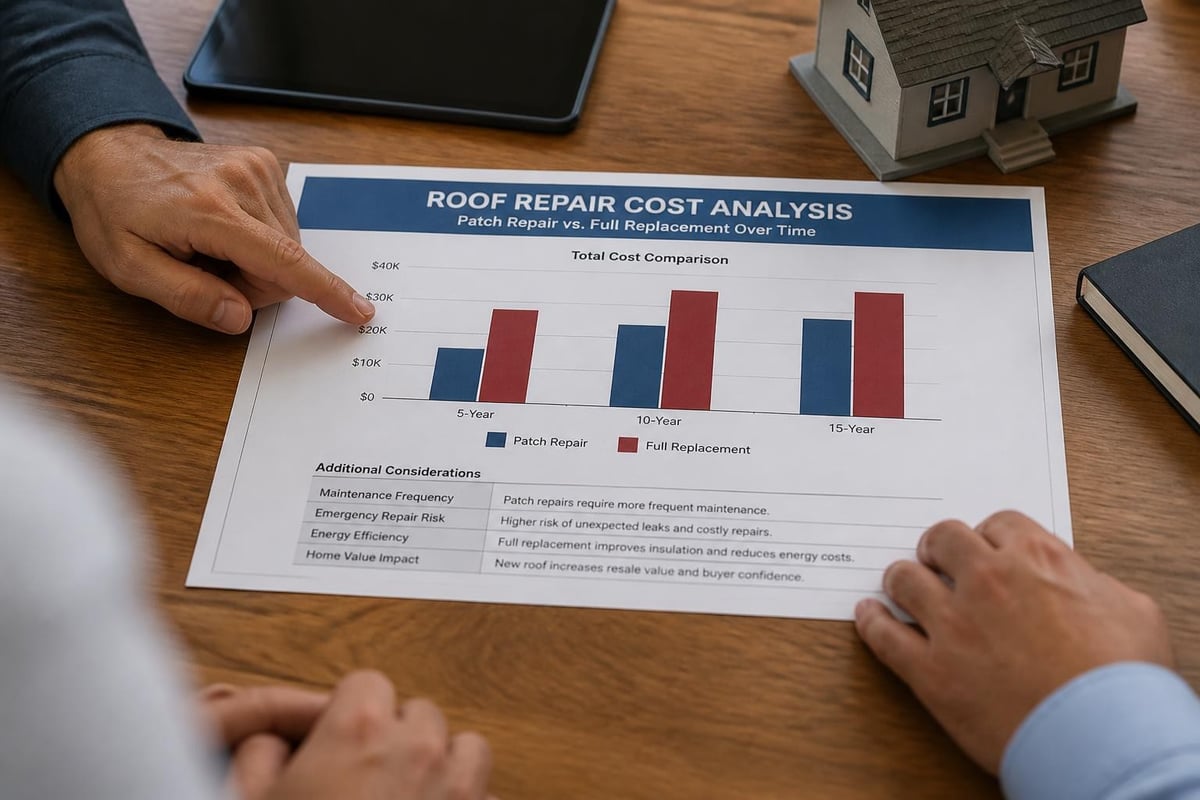
Quality repairs using premium materials and professional installation deliver superior value despite higher initial costs. A properly executed roof repair patch lasting 10-15 years costs significantly less than multiple budget repairs failing within 2-3 years.
Factor in warranty coverage when comparing options. Professional repairs typically include workmanship guarantees protecting against application defects, whilst DIY repairs provide no such protection. Material warranties often require professional installation to remain valid.
Certain damage scenarios require specialised approaches beyond standard patching procedures. Understanding these advanced techniques helps determine when professional expertise becomes essential versus manageable DIY projects.
When external access proves impossible or dangerous, internal attic repair techniques provide temporary solutions preventing immediate water damage. These inside patches supplement rather than replace proper external repairs, serving as emergency measures until comprehensive repairs become feasible.
Apply waterproof membrane to the underside of damaged decking, creating a temporary barrier preventing interior water penetration. This approach works only for isolated leaks with accessible interior locations and must not substitute for permanent external repairs.
Built-up roofing systems contain multiple layers requiring matched repair techniques. Effective methods for patching flat roofs with layered construction involve removing damaged sections through all layers, then rebuilding using compatible materials matching original installation specifications.
Each replacement layer must properly bond with surrounding materials and underlying substrate. Insufficient inter-layer adhesion creates void spaces where water migrates, causing hidden damage undetectable until extensive deterioration occurs.
Traditional felt roofing requires particular attention to patch integration with existing materials. Best practices for felt roof repairs emphasise proper overlap dimensions, adequate bitumen application, and protective coating preventing UV degradation of repair areas.
Modern self-adhesive patches simplify felt roof repairs but require meticulous surface preparation ensuring proper bonding. Temperature during application affects adhesive performance, with cold conditions reducing bond strength and hot weather causing excessive material flow.
Choosing appropriate products from numerous available options challenges even experienced property managers. Understanding product categories and their specific applications streamlines selection whilst ensuring compatibility and performance.
Emergency roof repair patch products provide immediate leak stoppage but lack the durability required for long-term performance. These temporary solutions include spray-on rubber coatings, tape products, and quick-set compounds useful during emergency situations or as interim measures until proper repairs occur.
Permanent patching systems require more extensive preparation and application time but deliver years of reliable service. Selecting the best flat roof patch materials involves matching product specifications to environmental conditions, expected service life, and budget constraints.
Dublin’s marine climate with high humidity, frequent rainfall, and moderate temperatures demands materials specifically formulated for these conditions. Products designed for continental climates with extreme temperature ranges or desert environments with intense UV and minimal moisture perform poorly in Irish conditions.
Climate-specific requirements include:
Verify product specifications confirm suitability for marine climates before purchasing. Manufacturers typically provide environmental suitability information in technical data sheets available online or through supplier consultation.
Modern roofing products increasingly emphasise environmental sustainability through recycled content, reduced VOC emissions, and improved energy efficiency. Cool roof coatings reflect solar radiation, reducing building cooling costs whilst extending roof lifespan through reduced thermal stress.
Sustainable roof repair patch options deliver comparable or superior performance to traditional products whilst minimising environmental impact. These materials often qualify for green building certifications and may provide eligibility for environmental incentive programmes.
Effective roof repair patch application combines proper material selection, meticulous preparation, and precise technique to deliver long-lasting leak protection and extend flat roof service life. When damage exceeds DIY capabilities or safety concerns arise, professional intervention ensures quality results backed by comprehensive warranties. Flat Roof Repair offers expert flat roofing solutions throughout Dublin, combining 25 years of specialised experience with quality materials and a 25-year guarantee providing confidence in every repair project.
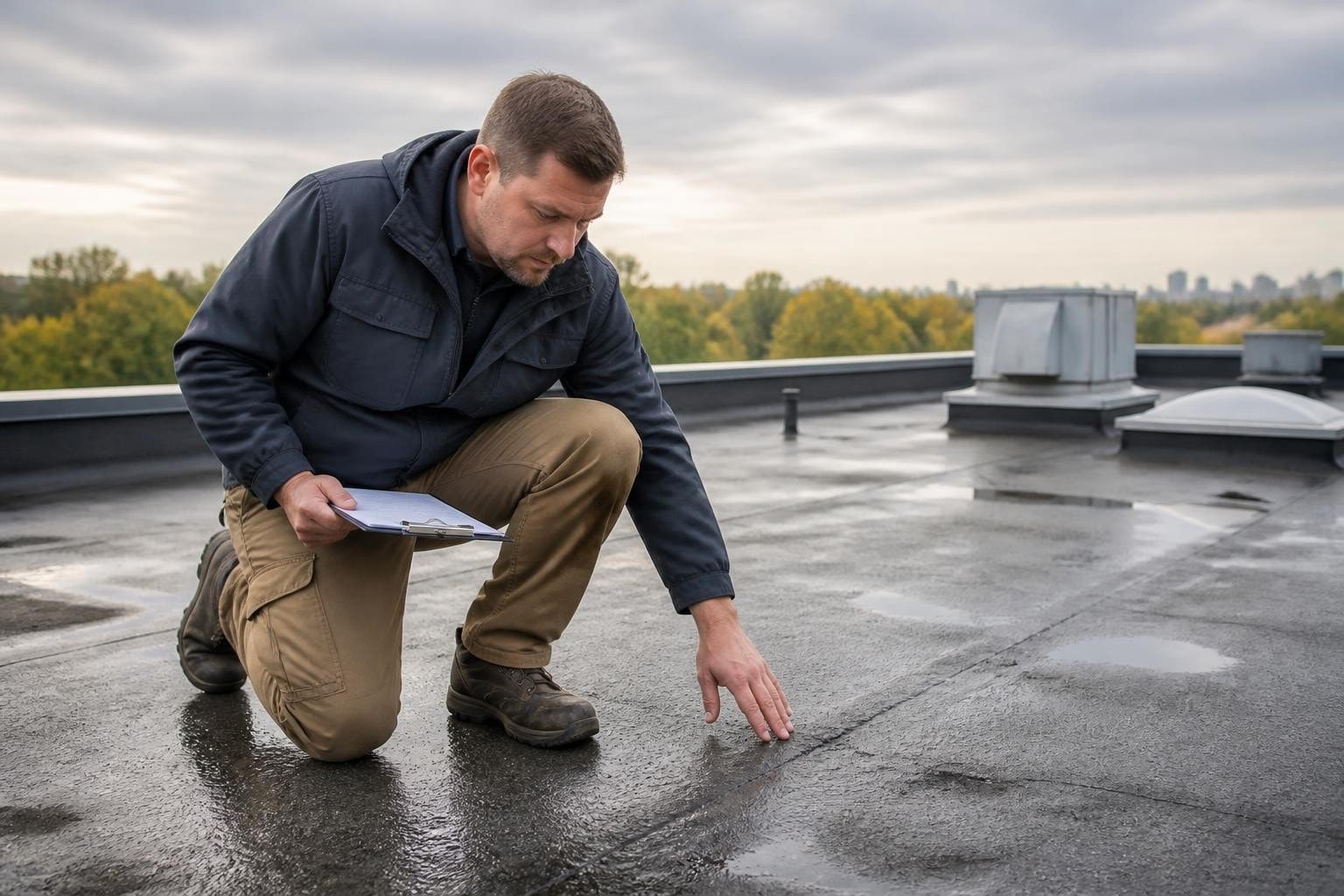
Roof Inspection and Repair: A Complete Guide for 2026
15 July 2026
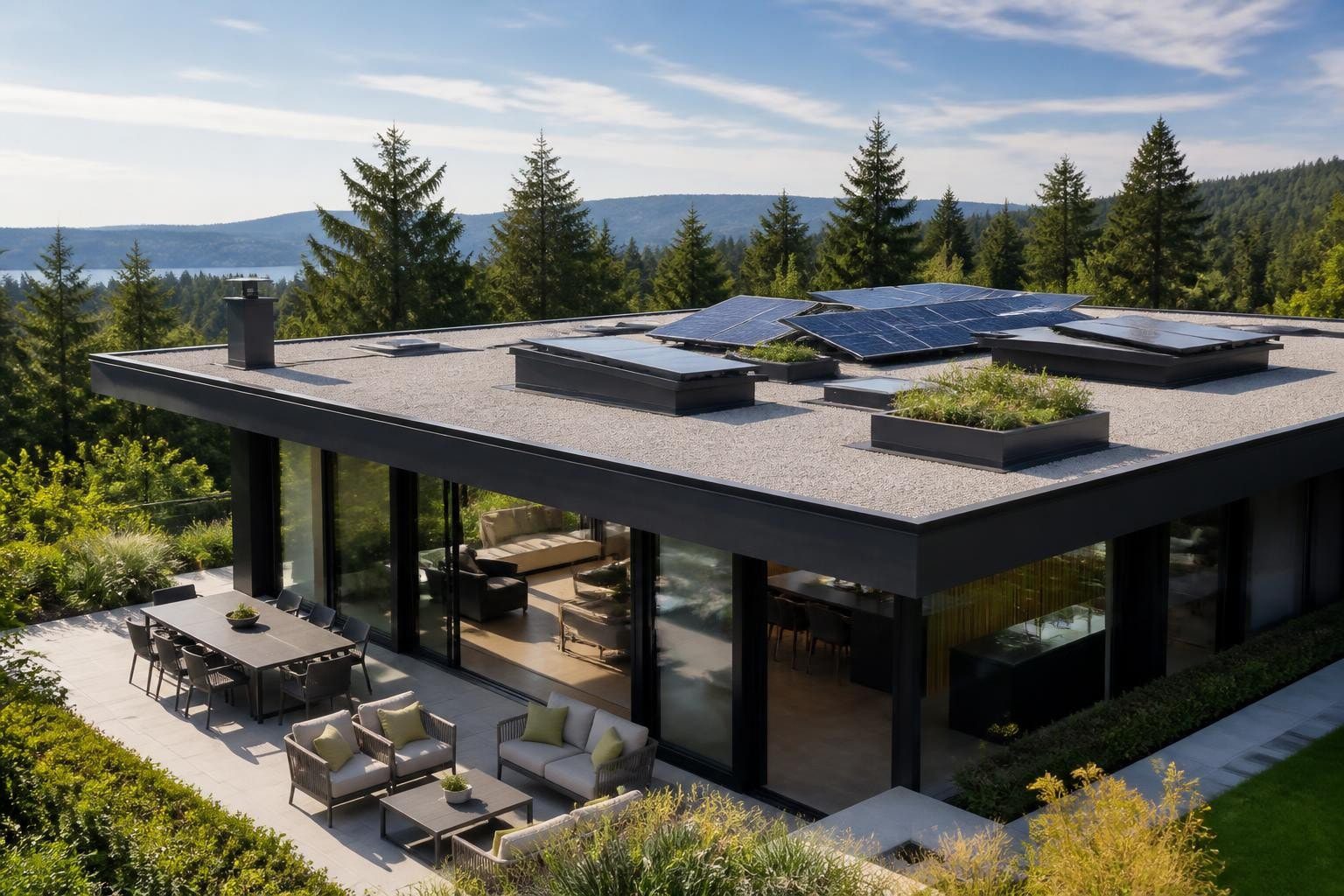
Flat Roof Home: Design, Benefits & Considerations
13 July 2026
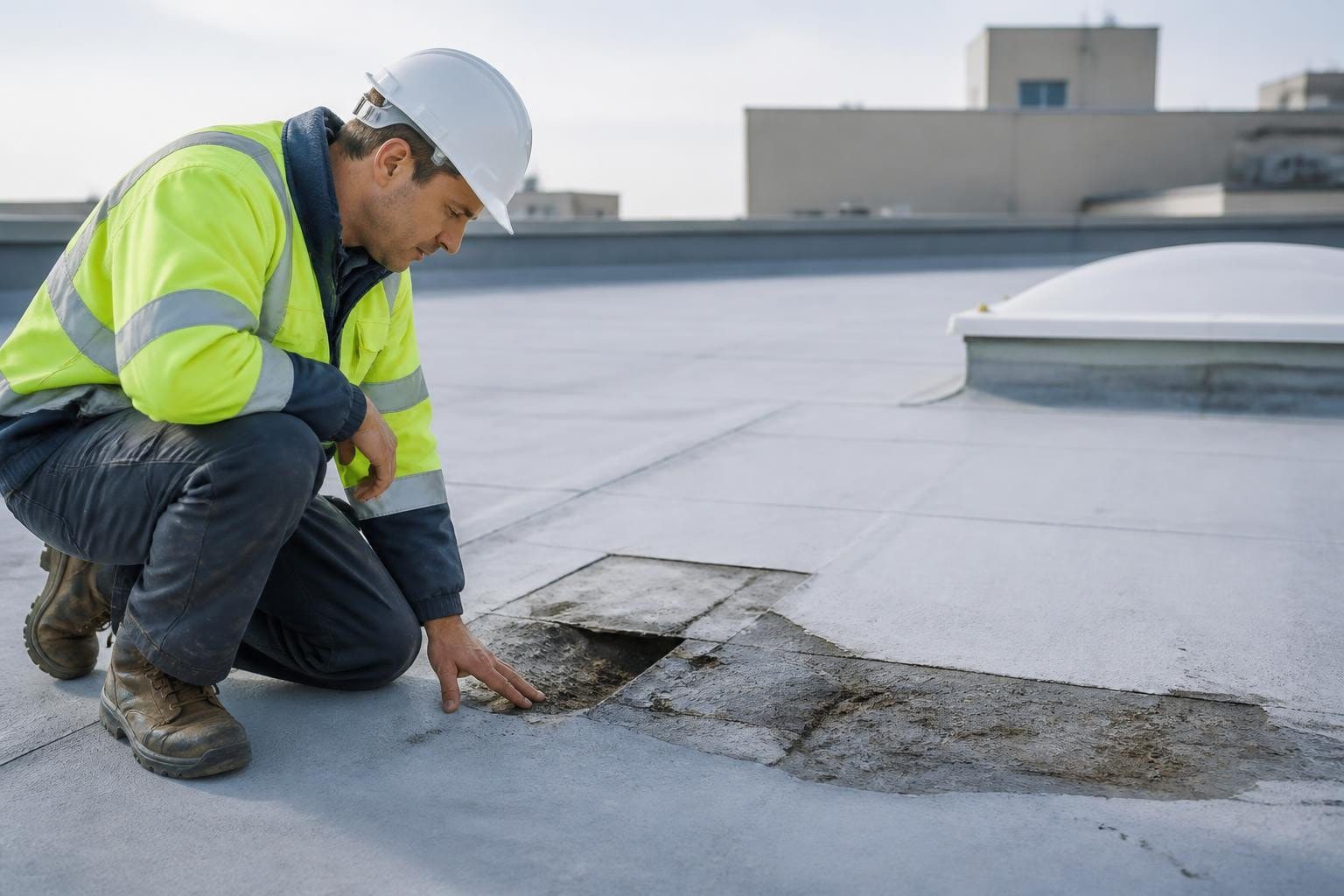
Membrane Roof Repair: Professional Guide for 2026
12 July 2026
Roofing Assessment: Expert Guide for Property Owners
11 July 2026
EPDM Rubber Roof Replacement: Complete Guide 2026
10 July 2026

ExpertiseExpertise
With over two decades of experience, our certified roofing specialists are the best in the business.

UnmatchedUnmatched
Our Lava 20 system guarantees top-notch durability, backed by a solid 25-year guarantee.

Customer-CentricCustomer-Centric
At Flat Roof Repair Services, customer satisfaction is our top priority.
 Let’s get started on your flat roof project today. Contact us for a free consultation and
discover how our expert roofing solutions can benefit your property.

2 years ago
Thank you @flatroofrepairservices for an amazing experience. All aspects of the job were explained from start to finish. Very friendly, competent and diligent team with expert knowledge and skill.
2 years ago
A great company with great flat roof experience thank you for repairing our flat roof.
2 years ago
Hired this company to carry out our new flat roof installation I must say from start to finish they were fantastic to work with our new flat roof installation is fantastic and we got a really great price. Thank you guys
2 years ago
I had an issue of roof leaking. I got best flat roofer in Dublin from Google search and they fixed roof leaking immediately. They gave me best quote for my new house flat roofing installation too. I am satisfied with his expert crew. Highly recommend Darren Flat roofer crew in Dublin
3 years ago
Was a pleasure to have these lads do my flat roof everything was done exactly how I wanted it dine and left to tidy and neat great people to deal with thanks so much darren
3 years ago
Exceptional Service and Outstanding Results! I recently had the pleasure of working with Flat Roof Repair Services for the installation of my flat roof, and I couldn't be more pleased with the outcome. From the initial consultation to the completion of the project, their team demonstrated professionalism, expertise, and a genuine commitment to customer satisfaction. The quality of workmanship is evident in every detail of our new roof. It's not only functional but also enhances the overall appearance of our property. The team was timely, efficient, and kept me informed throughout the process, making it a seamless and stress-free experience. I am delighted to be a very satisfied customer and would highly recommend Flat Roof Repair Services to anyone in need of a reliable and high-quality roofing solution. Their dedication to excellence is truly commendable, and it's clear they take great pride in their work. A heartfelt thank you to the entire team for their exceptional service.