charlene gannon
2 years ago


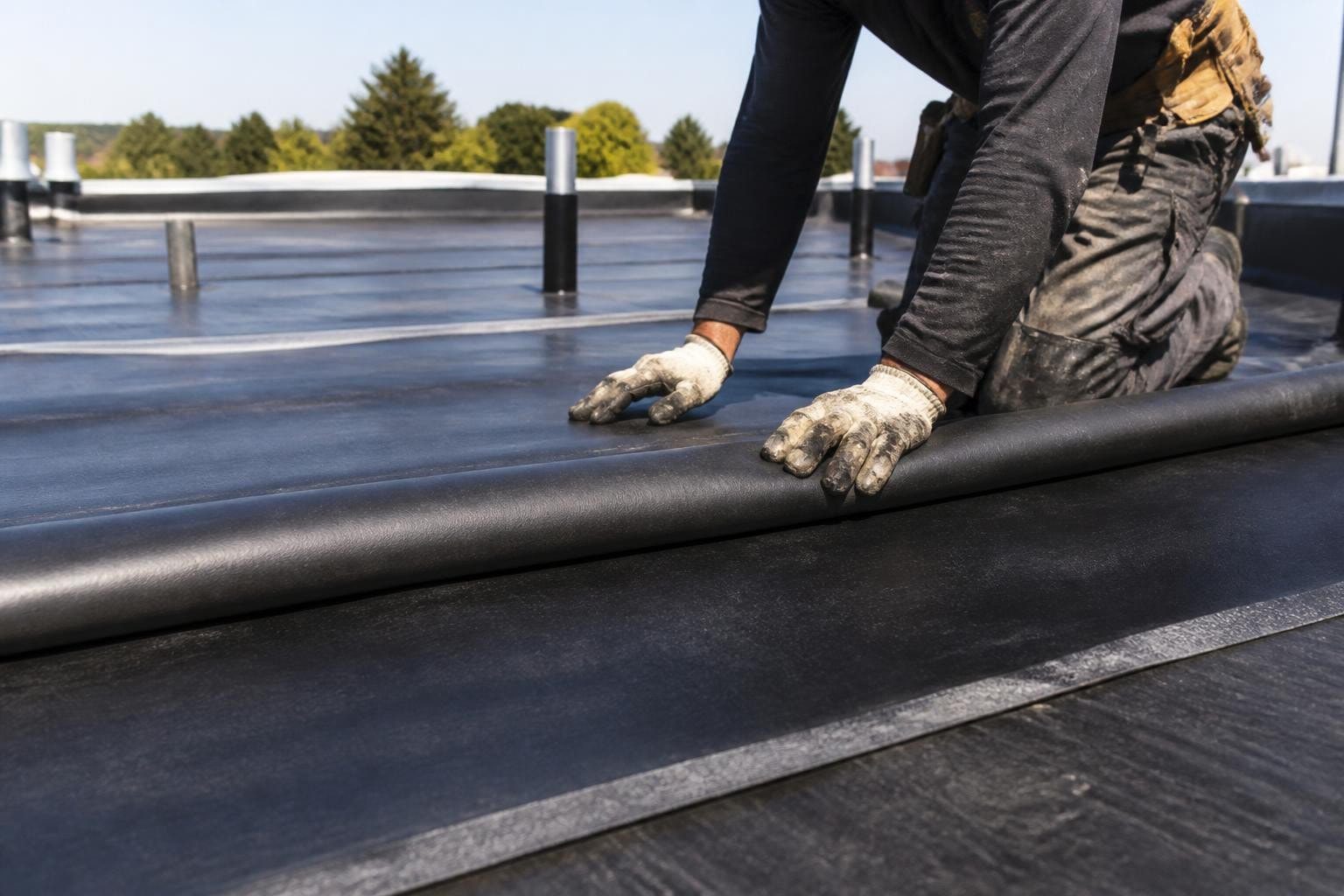
EPDM rubber roofing has established itself as one of the most reliable and cost-effective solutions for flat and low-slope roofs across commercial and residential properties. However, even the most durable roofing systems eventually reach the end of their service life. Understanding when and how to approach epdm rubber roof replacement can save property owners thousands in emergency repairs and water damage. This comprehensive guide explores everything from recognizing replacement indicators to selecting installation methods, ensuring you make informed decisions about your roofing investment.
EPDM (ethylene propylene diene monomer) is a synthetic rubber membrane that has served the roofing industry for over five decades. Its popularity stems from exceptional weather resistance, flexibility in temperature extremes, and relatively straightforward installation processes.
The rubber membrane typically comes in black sheets ranging from 45 to 60 mils in thickness. This synthetic rubber withstands UV radiation, ozone exposure, and temperature fluctuations better than many alternative materials. The molecular structure of EPDM provides inherent flexibility, allowing it to expand and contract without cracking during seasonal temperature changes.
Manufacturing advancements have introduced white EPDM options that reflect more sunlight, reducing cooling costs in warmer climates. These reflective membranes maintain the same durability characteristics while offering energy efficiency benefits that align with modern sustainability goals.
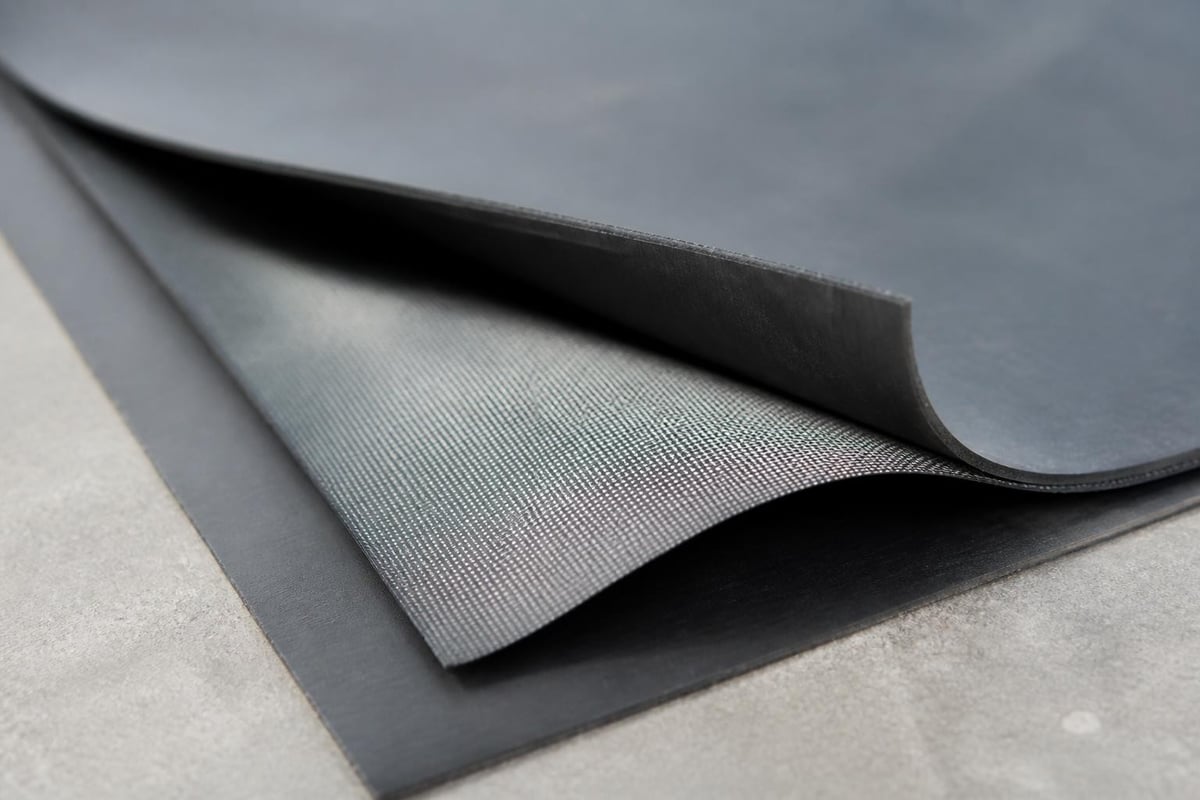
Quality EPDM installations typically last 20 to 30 years when properly maintained. Several factors influence this lifespan, including installation quality, climate conditions, maintenance frequency, and exposure to environmental stressors.
Key degradation accelerators include:
According to comprehensive EPDM roofing guides, regular inspections and prompt repairs can extend the functional life of your roofing system significantly beyond average expectations.
Determining whether your roof requires full replacement or targeted repairs demands careful assessment. While minor damage often justifies repair work, certain conditions make epdm rubber roof replacement the more economical long-term solution.
Inspect your roof surface for widespread cracking, particularly in areas that receive direct sunlight throughout the day. Small, isolated cracks may be repairable, but extensive crazing across large sections indicates membrane breakdown that replacement best addresses.
Shrinkage represents another critical indicator. As EPDM ages, it can pull away from edges, flashing, and penetrations. When shrinkage exceeds one to two inches from original positions, the membrane has likely reached replacement stage.
EPDM roofs feature seams where membrane sheets join together. These connection points are potential vulnerability zones that require monitoring throughout the roof's lifespan.
Seam failure indicators include:
When seam separation becomes widespread, patching individual failures proves less effective than complete membrane replacement with modern seaming technology.
Water infiltration manifests in various ways inside your building. Ceiling stains, peeling paint, mold growth, and musty odors all suggest roofing problems that warrant immediate investigation.
Document the location and extent of interior damage. Multiple leak points across different roof areas typically indicate systemic membrane failure rather than isolated problems. This pattern often makes epdm rubber roof replacement more cost-effective than multiple repair interventions.
Budgeting for roofing projects requires understanding both immediate costs and long-term value. EPDM rubber roof replacement represents a significant investment that delivers decades of reliable protection when executed properly.
| Cost Component | Price Range (2026) | Factors Affecting Price |
|---|---|---|
| EPDM Membrane | €3.50-€7.00/sq ft | Thickness, color, brand |
| Insulation | €2.00-€5.00/sq ft | R-value, material type |
| Labor | €4.00-€8.00/sq ft | Complexity, accessibility |
| Removal/Disposal | €1.00-€2.50/sq ft | Existing layers, regulations |
| Flashing/Details | €500-€2,000 | Penetrations, edge conditions |
These figures provide general guidance, but specific project costs vary based on roof size, configuration complexity, and regional labor rates. Dublin's market conditions and building regulations may influence pricing differently than other regions.
Roof accessibility significantly impacts labor costs. Buildings requiring extensive scaffolding or crane access for material delivery incur higher expenses than easily accessible structures. The number of penetrations (vents, chimneys, skylights) also affects costs, as each requires custom flashing details.
Substrate condition matters considerably. Damaged decking beneath the old membrane requires repair or replacement before new EPDM installation. Professional installation considerations emphasize thorough substrate assessment during pre-installation inspections.
While initial costs may seem substantial, EPDM rubber roof replacement offers compelling return on investment. Calculate the total cost of ownership by considering the replacement expense divided by expected lifespan, then compare against ongoing repair costs for deteriorating systems.
Energy efficiency improvements with modern insulation and reflective membranes reduce heating and cooling costs throughout the roof's service life. These savings accumulate significantly over 25-30 years, offsetting initial installation premiums.
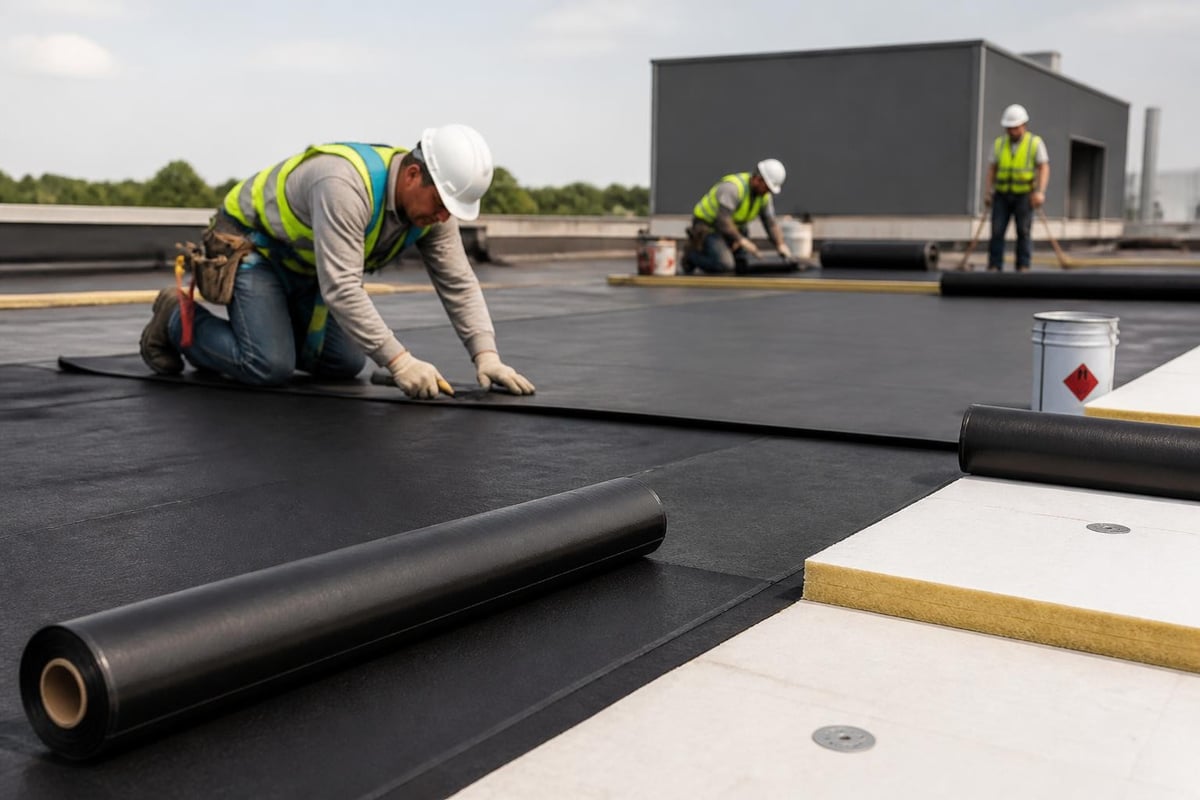
EPDM installation methodology significantly influences performance and longevity. Understanding different attachment methods helps property owners make informed decisions about their replacement projects.
This method bonds the EPDM membrane directly to the substrate using specialized adhesives. The complete contact between membrane and deck creates superior wind uplift resistance and eliminates billowing that can occur with other methods.
Advantages of fully adhered installation:
Application requires dry conditions and specific temperature ranges for optimal adhesive performance. Professional installers must carefully follow manufacturer specifications regarding coverage rates and curing times.
This approach secures the EPDM membrane using fasteners and plates at regular intervals, with seams heat-welded or tape-sealed. The method offers faster installation and greater tolerance for substrate moisture conditions.
Mechanical attachment works particularly well on re-roofing projects where removing existing roofing would be costly or disruptive. The system accommodates minor substrate irregularities more forgivingly than fully adhered methods.
Ballasted installations use loose-laid membrane weighted down with river rock, pavers, or concrete blocks. This traditional method minimizes penetrations through the waterproofing layer and simplifies future replacement.
However, ballasted systems require structural capacity to support the additional weight, typically 10-15 pounds per square foot. Building codes and engineering assessments must confirm adequate load-bearing capability before selecting this installation method. When rubber roofing makes sense depends partly on structural considerations like weight capacity.
Proper surface preparation determines replacement project success more than any other factor. Cutting corners during preparation stages inevitably leads to premature failures and warranty complications.
Determining whether to tear off existing roofing or install over it requires careful evaluation. Single-layer removal often proves manageable, but multiple previous roof layers typically necessitate complete tear-off to avoid excessive weight and ensure proper new membrane adhesion.
Inspect the existing substrate thoroughly. Wood decking should be solid, dry, and free from rot or significant damage. Concrete decks need evaluation for cracks, spalling, or moisture issues that could compromise new membrane performance.
Address all structural deficiencies before membrane installation begins. Replace damaged wood sections, repair concrete cracks, and ensure proper drainage across the entire roof surface. Standing water areas require correction through tapered insulation or structural modifications.
Critical preparation steps include:
These foundational elements determine how well your new EPDM system performs throughout its intended service life.
EPDM rubber roof replacement presents an ideal opportunity to enhance building insulation. Modern building codes often require higher R-values than older installations provided, making upgrades necessary for compliance.
Polyisocyanurate (polyiso) insulation offers excellent thermal performance in relatively thin profiles. Expanded polystyrene (EPS) provides good insulation value at lower cost. Your climate zone and building use determine optimal insulation specifications. Commercial EPDM roofing guides detail insulation options and performance characteristics for different applications.
Proper flashing installation at roof edges, penetrations, and transitions prevents the majority of leak problems in EPDM systems. These detail areas demand meticulous attention during replacement projects.
The roof perimeter represents the most critical flashing zone. EPDM must terminate securely at walls, parapets, and roof edges with proper mechanical fastening and sealing. Metal termination bars, wood nailers, or specialized edge profiles provide secure anchor points.
Drip edges direct water away from fascia boards and building walls. These components coordinate with gutter systems to manage water flow effectively. Inadequate edge details allow water infiltration that damages building structures over time.
Every roof penetration (pipes, vents, equipment supports) requires custom flashing that creates watertight seals. EPDM pipe boots stretch over penetrations and bond to the main membrane, creating flexible connections that accommodate thermal movement.
Equipment curbs for HVAC units, exhaust fans, or access hatches need careful integration with the roofing membrane. Pre-manufactured curb flashing kits simplify installation while ensuring reliable performance. These components should match the EPDM membrane manufacturer's specifications for warranty compliance.
Where EPDM roofs meet vertical walls, proper flashing extends up the wall surface at least eight inches above the roof plane. Metal counterflashing covers the membrane termination, protecting it from UV exposure while creating a professional appearance.
Inside and outside corners require special attention. Pre-formed corner pieces or carefully detailed field-fabricated corners prevent the stress concentrations that develop where planes intersect. Proper repair techniques emphasize attention to these vulnerable areas.
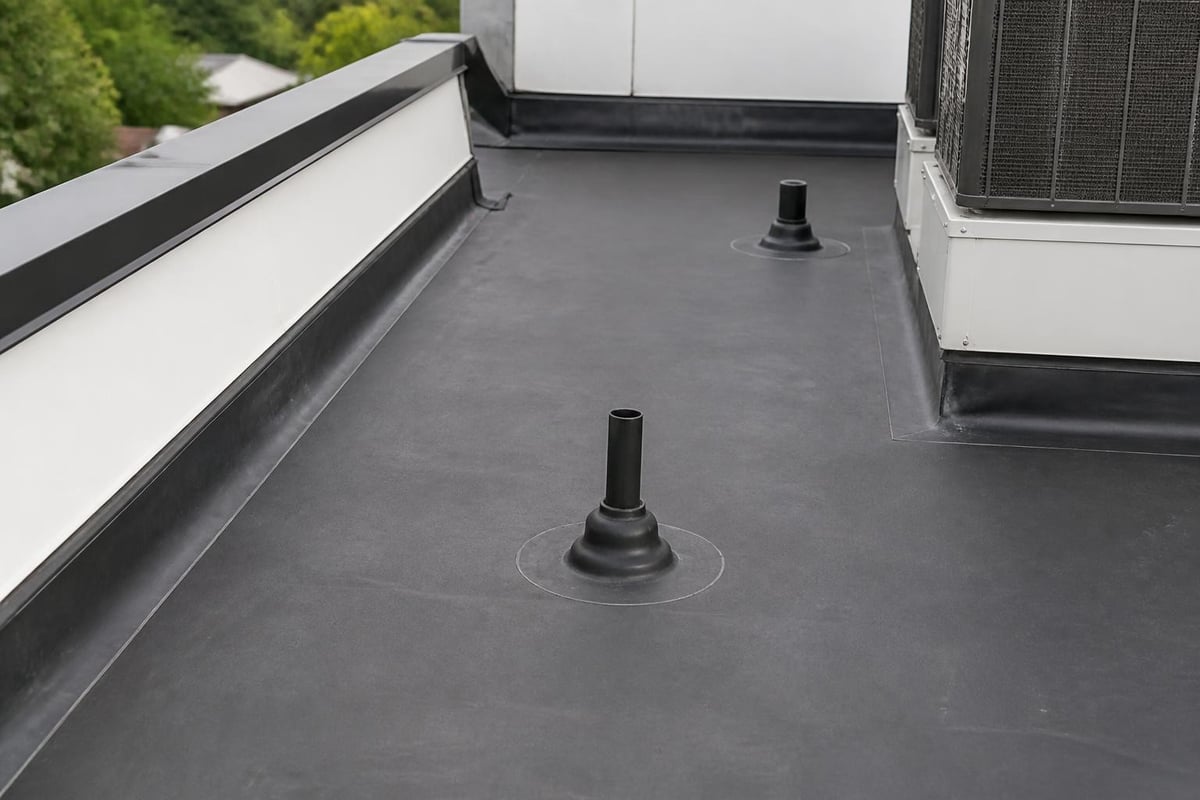
EPDM seams represent potential weak points that require proper execution using appropriate materials and techniques. Modern seaming technology has evolved considerably, offering improved reliability over older methods.
Seam tape consists of uncured EPDM with aggressive adhesive backing. Proper tape installation requires clean, primed surfaces and firm roller pressure to achieve complete contact. Ambient temperature during application significantly affects adhesive performance.
Tape seaming best practices:
Quality control involves inspecting completed seams visually and testing adhesion by attempting to peel back edges. Properly installed tape seams should resist separation under moderate force.
Hot-air welding creates molecular bonds between EPDM sheets, producing seams that match or exceed membrane strength. This method requires specialized equipment and trained technicians but delivers superior long-term performance.
Welding machines heat overlapped membrane edges while rollers press the softened material together. Proper temperature control and welding speed determine seam quality. Testing involves attempting to separate the weld; failure should occur in the membrane itself rather than at the seam.
Professional installations include systematic seam inspection and testing protocols. Visual examination identifies obvious defects, while destructive testing on sample seams verifies proper bonding. Some projects specify electronic leak detection to confirm complete waterproofing integrity.
Documentation of seam testing results provides valuable warranty protection. Photograph problematic areas and their corrections to establish quality control records. These documents prove particularly valuable if future issues arise.
Strategic project timing affects installation quality, costs, and building occupant disruption. Understanding seasonal considerations and scheduling factors optimizes replacement outcomes.
EPDM installation requires dry conditions and specific temperature ranges for optimal adhesive and sealing performance. Most manufacturers specify minimum ambient temperatures between 40°F and 50°F for proper material application.
Ideal installation conditions include:
Dublin's maritime climate presents specific challenges with frequent rain and moderate temperatures year-round. Summer months (June through August) typically offer the most reliable weather windows for roofing projects.
Commercial building owners should coordinate epdm rubber roof replacement with business operations to minimize disruption. Retail establishments might schedule work during slower seasons, while schools prefer summer months when buildings are unoccupied.
Consider noise, odor, and access restrictions that affect building occupants. Some installations generate minimal disruption, while tear-offs create significant noise and dust. Communicate project schedules clearly to tenants and employees well in advance.
Completing roof replacement before winter weather arrives prevents emergency situations during harsh conditions. New roofing systems provide peace of mind through wet seasons when leak risks increase.
Budget cycles often make autumn timing advantageous. Organizations with fiscal years ending in December can allocate current-year funds to roofing projects, while benefiting from contractors' availability as peak season concludes.
New EPDM installations require ongoing maintenance to achieve maximum service life. Establishing proactive maintenance programs protects your roofing investment and identifies small problems before they become expensive failures.
Conduct thorough roof inspections twice annually, ideally in spring and fall. These examinations identify winter damage and prepare the roof for upcoming weather challenges. Additional inspections after severe storms help detect damage promptly.
Inspection checklist items:
Document inspection findings with photographs and written notes. Tracking roof condition over time helps identify degradation trends and plan maintenance interventions strategically.
Regular cleaning prevents many common EPDM problems. Remove leaves, branches, and other debris that trap moisture against the membrane or clog drainage systems. Accumulated organic material promotes biological growth that can degrade roofing materials.
Use soft brooms or leaf blowers for debris removal, avoiding metal tools that might damage the membrane. Clean drains and scuppers quarterly or more frequently if trees overhang the roof. Standing water accelerates membrane aging and increases leak risks.
Address small problems immediately to prevent escalation. Puncture repair procedures detail proper techniques for fixing minor damage using patch materials compatible with the installed membrane.
Keep manufacturer-approved repair materials on hand for quick fixes. Small patches address punctures or cuts before water infiltration causes interior damage. However, extensive repair needs may indicate broader problems warranting professional assessment.
EPDM rubber roof replacement demands skilled installation by experienced professionals. Selecting qualified contractors significantly influences project outcomes and long-term roof performance.
Verify that prospective contractors hold manufacturer certifications for the specific EPDM products they propose installing. These certifications demonstrate training in proper installation techniques and access to technical support resources.
| Qualification Type | Importance | Verification Method |
|---|---|---|
| Manufacturer Certification | Critical for warranties | Request certification documents |
| Insurance Coverage | Protects against liability | Obtain certificate of insurance |
| Local Licensing | Ensures code compliance | Check with licensing authority |
| References | Demonstrates track record | Contact previous clients |
| Safety Training | Protects workers, property | Review safety programs |
Experience specifically with EPDM systems matters more than general roofing experience. Different roofing materials require distinct skills, and EPDM installation demands particular expertise in membrane handling and seaming.
Understanding warranty coverage prevents misunderstandings when problems arise. EPDM warranties typically include manufacturer material warranties and contractor workmanship guarantees.
Material warranties cover membrane defects for periods ranging from 10 to 30 years, depending on product selection. These warranties typically require professional installation by certified contractors and adherence to specified maintenance programs.
Workmanship warranties guarantee proper installation quality. Reputable contractors offer warranties ranging from 5 to 15 years covering labor and installation defects. Flat Roof Repair Services backs their installations with comprehensive guarantees, giving property owners confidence in long-term performance. Their quarter-century of experience ensures installations that maximize the benefits of quality EPDM systems while meeting Dublin's specific climate challenges.
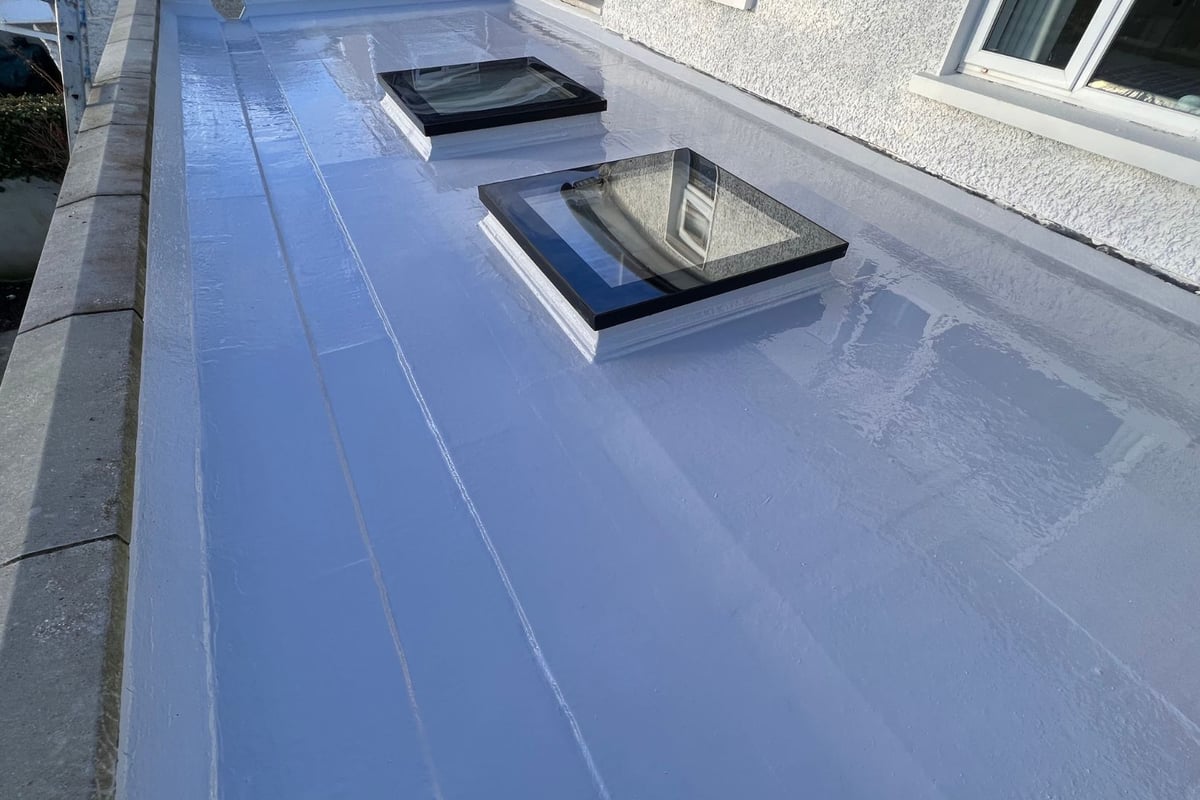
Compare proposals based on total value rather than lowest price alone. Detailed proposals specify membrane thickness, attachment method, insulation specifications, and flashing details. Vague proposals lacking technical specifications often lead to disputes and disappointing results.
Request detailed project timelines with milestone dates. Understanding the work sequence helps coordinate building operations and sets realistic expectations. Professional contractors provide clear communication throughout projects, addressing concerns promptly and keeping stakeholders informed of progress.
While EPDM offers excellent performance for many applications, understanding alternative roofing systems helps make informed decisions aligned with specific building requirements and budget constraints.
Thermoplastic membranes (TPO and PVC) represent the primary alternatives to EPDM for single-ply roofing applications. These materials offer heat-welded seams that some consider more reliable than adhesive or tape seams.
TPO membranes, typically white or tan, provide excellent solar reflectance that reduces cooling costs. However, TPO has a shorter performance history than EPDM, with some early formulations experiencing premature degradation. Modern TPO formulations show improved durability, but long-term performance data remains limited compared to EPDM's five-decade track record.
PVC roofing delivers outstanding chemical resistance, making it ideal for restaurants and industrial facilities where grease or chemicals might contact the roof. The premium material costs more than EPDM but offers specific performance advantages in demanding applications.
Traditional multi-layer roofing systems continue serving many commercial applications effectively. Built-up roofing (BUR) uses alternating layers of roofing felt and hot asphalt, creating redundant waterproofing protection.
Comparison factors:
Application-specific requirements often drive material selection. Heavy equipment rooftop installations might favor puncture-resistant BUR, while lightweight structures benefit from EPDM's reduced weight.
Aging EPDM roofs sometimes qualify for coating systems as alternatives to complete epdm rubber roof replacement. Specialized elastomeric coatings restore weatherproofing while extending service life another 10-15 years.
Coating suitability depends on existing membrane condition. Severely degraded, shrunk, or damaged EPDM rarely performs well under coatings. However, structurally sound membranes with minor surface deterioration often benefit from coating restoration at a fraction of replacement costs.
Modern roofing decisions increasingly incorporate environmental impact assessments alongside traditional performance and cost criteria. EPDM systems offer several sustainability advantages worth considering.
EPDM rubber contains no chlorine or plasticizers that leach into the environment. The inert material resists biological degradation, preventing contaminant release during its service life or after disposal.
Recycling programs accept EPDM roofing materials in some regions. Ground rubber from old roofing finds applications in playground surfaces, athletic tracks, and manufactured products. While recycling infrastructure varies by location, the material's recyclability potential supports sustainable construction practices.
Black EPDM membranes absorb solar radiation, potentially increasing cooling loads in warm climates. However, when combined with adequate insulation, this characteristic has minimal impact on energy consumption. White EPDM formulations reflect more sunlight while maintaining the material's fundamental performance characteristics.
Energy efficiency strategies:
Energy modeling helps quantify the return on investment for insulation upgrades and reflective membrane selections. Long-term energy savings often justify premium material selections.
Environmentally conscious contractors minimize waste through careful material ordering and efficient installation practices. Reusing existing insulation when suitable reduces landfill contributions and project costs.
Proper disposal of removed roofing materials follows environmental regulations and demonstrates contractor responsibility. Some jurisdictions mandate recycling or specific disposal methods for roofing materials. Verify that your chosen contractor complies with all environmental requirements.
Dublin's climate and building characteristics create specific considerations for epdm rubber roof replacement projects. Understanding local conditions ensures optimal system design and performance.
Ireland's maritime climate delivers moderate temperatures year-round with abundant precipitation. Annual rainfall in Dublin averages 750mm, with rain falling on approximately 150 days per year. These conditions make reliable waterproofing essential but also complicate installation scheduling.
Wind exposure varies significantly across Dublin, from sheltered city center locations to exposed coastal areas. Wind uplift calculations should reflect site-specific conditions, potentially requiring fully adhered membrane attachment in high-exposure areas where mechanically attached systems might prove inadequate.
Irish building regulations establish minimum performance standards for roofing systems. Part L (Conservation of Fuel and Energy) specifies insulation requirements, while Part B (Fire Safety) addresses fire resistance and classification. Ensure your epdm rubber roof replacement complies with all applicable codes.
Listed buildings and structures in architectural conservation areas face additional restrictions. Consult with local planning authorities before proceeding with roofing work on protected structures. Some areas require maintaining specific aesthetic appearances that influence material and detail selections.
Working with local contractors familiar with Dublin's building stock and climate provides distinct advantages. These professionals understand regional challenges and maintain relationships with local suppliers for reliable material delivery.
Labor availability and costs reflect Dublin's construction market conditions. Scheduling flexibility helps contractors accommodate your timeline while managing their workload efficiently. Expect some seasonal variation in contractor availability, with summer months typically busier than winter periods.
EPDM rubber roof replacement represents a significant investment that delivers decades of reliable protection when planned and executed properly. Understanding material characteristics, installation methods, cost factors, and maintenance requirements empowers property owners to make informed decisions aligned with their specific needs and budgets. Whether you're addressing an aging roof nearing the end of its service life or planning proactive replacement to avoid emergency situations, working with experienced professionals ensures optimal outcomes. Flat Roof Repair brings over 25 years of Dublin roofing expertise to every project, combining proven installation techniques with comprehensive guarantees that protect your investment for decades to come.
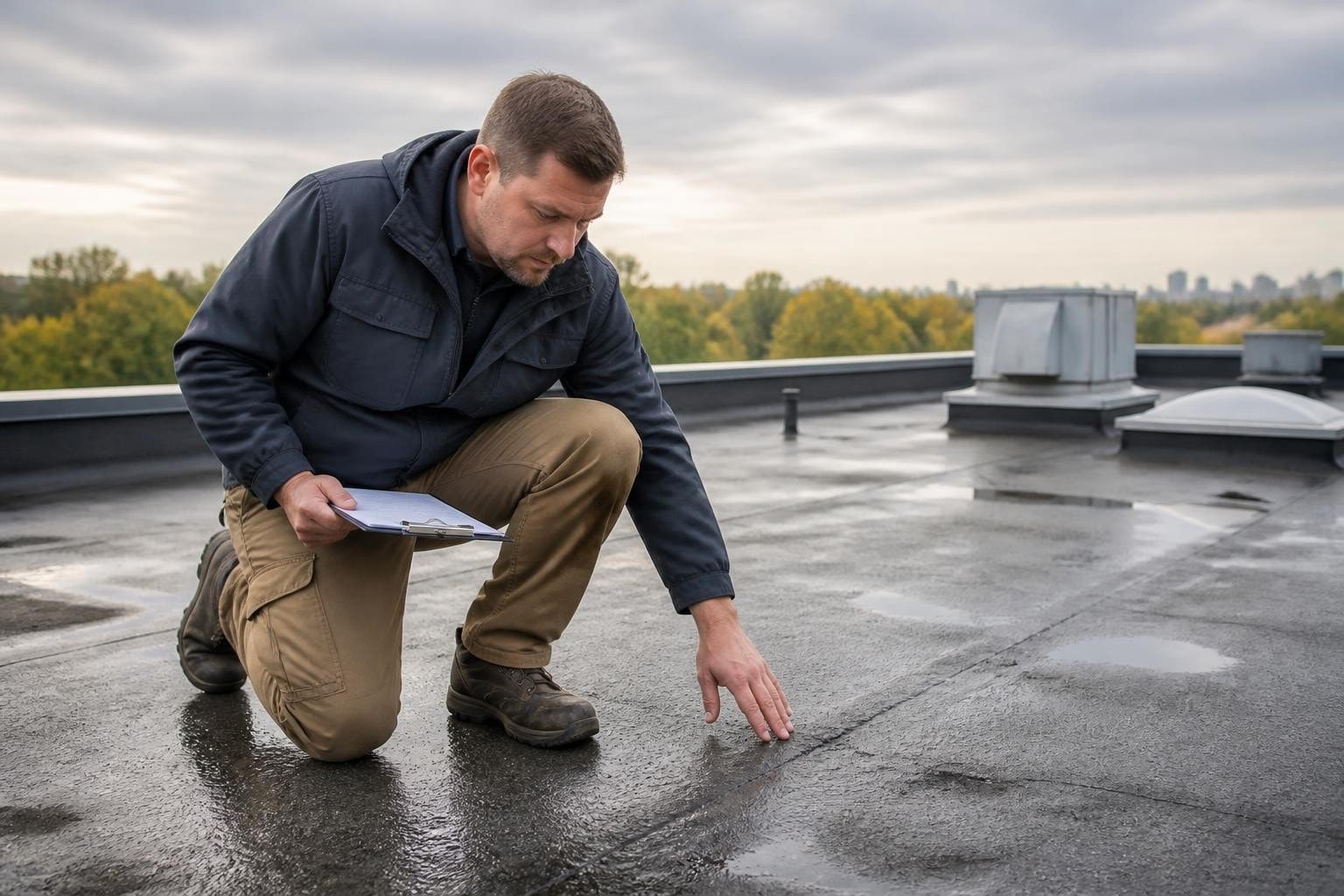
Roof Inspection and Repair: A Complete Guide for 2026
15 July 2026
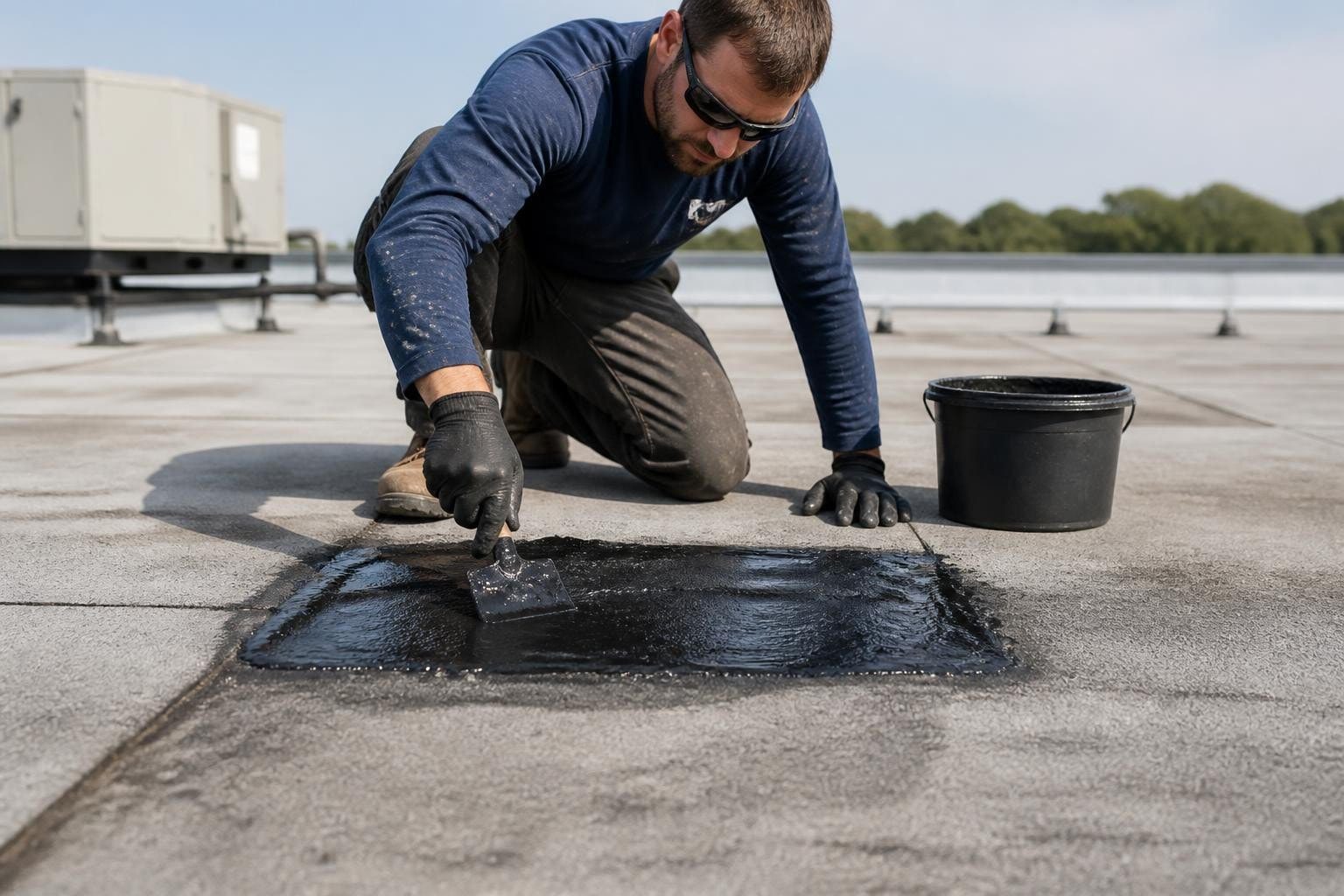
Roof Repair Patch: Complete Guide for Flat Roofs
14 July 2026
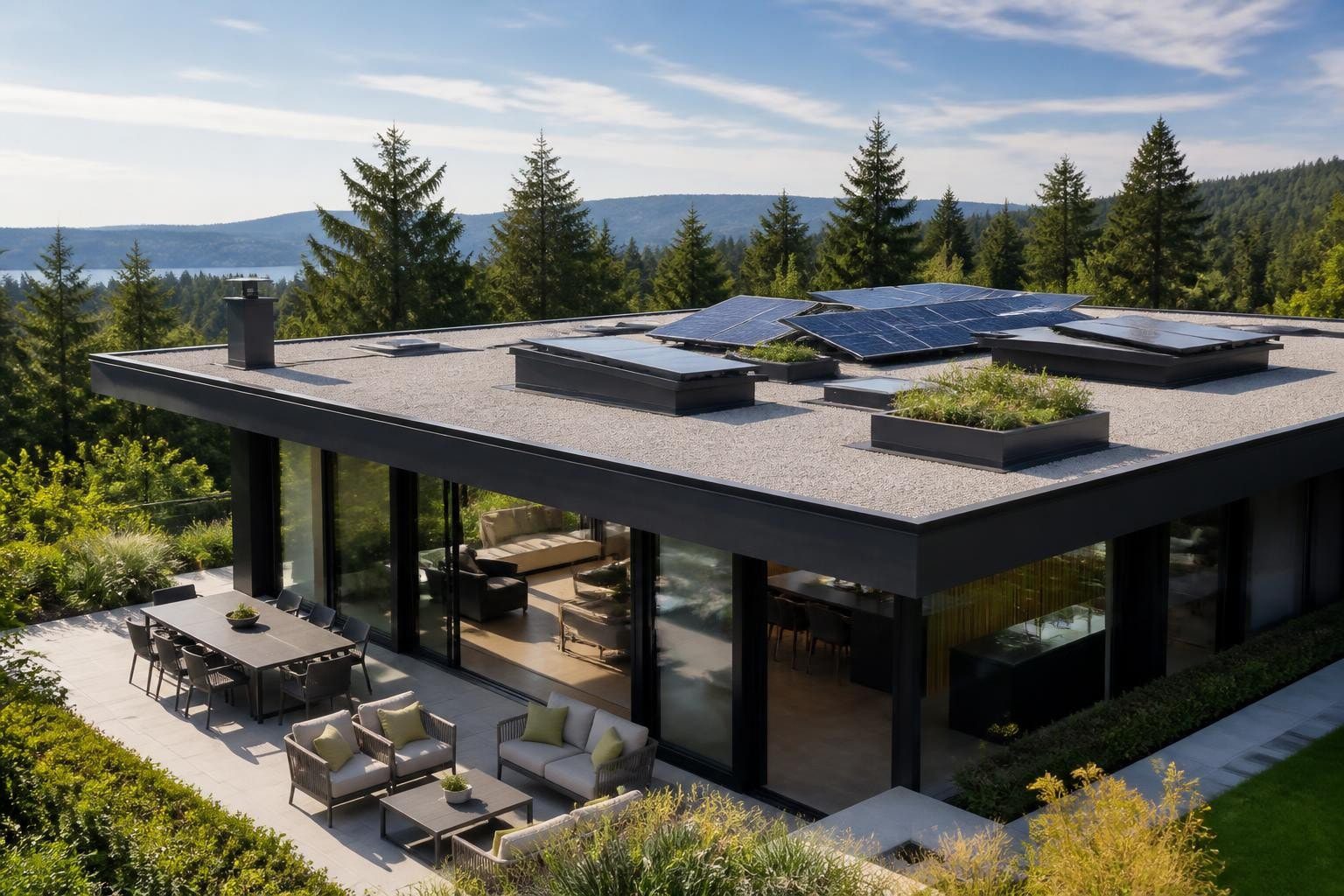
Flat Roof Home: Design, Benefits & Considerations
13 July 2026
Membrane Roof Repair: Professional Guide for 2026
12 July 2026
Roofing Assessment: Expert Guide for Property Owners
11 July 2026

ExpertiseExpertise
With over two decades of experience, our certified roofing specialists are the best in the business.

UnmatchedUnmatched
Our Lava 20 system guarantees top-notch durability, backed by a solid 25-year guarantee.

Customer-CentricCustomer-Centric
At Flat Roof Repair Services, customer satisfaction is our top priority.
 Let’s get started on your flat roof project today. Contact us for a free consultation and
discover how our expert roofing solutions can benefit your property.

2 years ago
Thank you @flatroofrepairservices for an amazing experience. All aspects of the job were explained from start to finish. Very friendly, competent and diligent team with expert knowledge and skill.
2 years ago
A great company with great flat roof experience thank you for repairing our flat roof.
2 years ago
Hired this company to carry out our new flat roof installation I must say from start to finish they were fantastic to work with our new flat roof installation is fantastic and we got a really great price. Thank you guys
2 years ago
I had an issue of roof leaking. I got best flat roofer in Dublin from Google search and they fixed roof leaking immediately. They gave me best quote for my new house flat roofing installation too. I am satisfied with his expert crew. Highly recommend Darren Flat roofer crew in Dublin
3 years ago
Was a pleasure to have these lads do my flat roof everything was done exactly how I wanted it dine and left to tidy and neat great people to deal with thanks so much darren
3 years ago
Exceptional Service and Outstanding Results! I recently had the pleasure of working with Flat Roof Repair Services for the installation of my flat roof, and I couldn't be more pleased with the outcome. From the initial consultation to the completion of the project, their team demonstrated professionalism, expertise, and a genuine commitment to customer satisfaction. The quality of workmanship is evident in every detail of our new roof. It's not only functional but also enhances the overall appearance of our property. The team was timely, efficient, and kept me informed throughout the process, making it a seamless and stress-free experience. I am delighted to be a very satisfied customer and would highly recommend Flat Roof Repair Services to anyone in need of a reliable and high-quality roofing solution. Their dedication to excellence is truly commendable, and it's clear they take great pride in their work. A heartfelt thank you to the entire team for their exceptional service.