charlene gannon
2 years ago


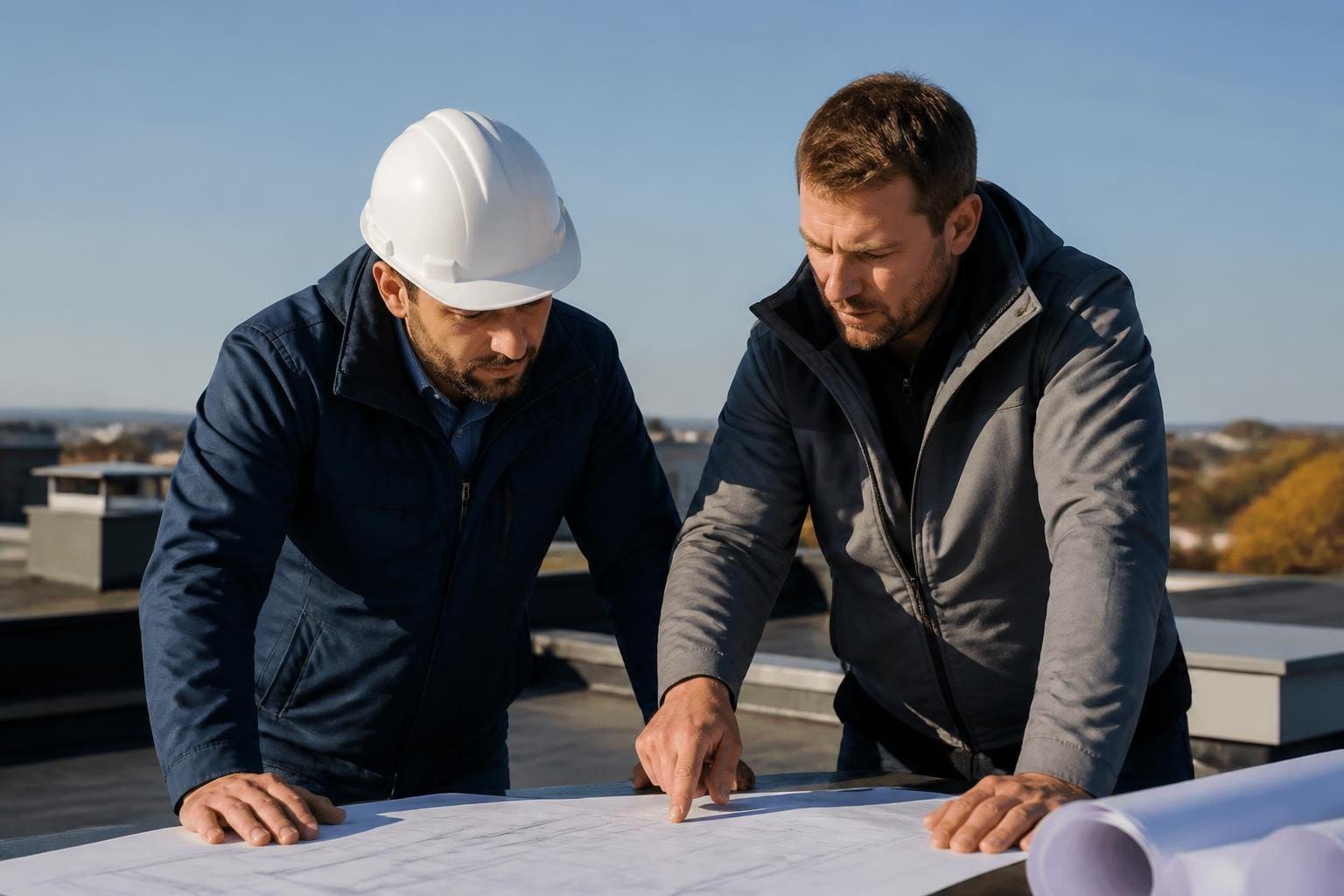
Selecting the right flat roof replacement contractor represents one of the most critical decisions property owners face when maintaining commercial or residential buildings. Unlike pitched roofing systems, flat roofs require specialized knowledge, specific installation techniques, and expertise in waterproofing systems that not every roofing professional possesses. The wrong choice can lead to premature failure, water infiltration, structural damage, and costly repairs that far exceed the initial investment. Understanding what separates exceptional contractors from mediocre ones empowers you to make informed decisions that protect your property for decades to come.
A flat roof replacement contractor specializes in removing existing roofing systems and installing new materials designed specifically for low-slope or flat applications. This work extends far beyond simply laying down new membrane or built-up roofing.
Professional contractors conduct comprehensive structural assessments before beginning any removal work. They evaluate deck condition, insulation integrity, drainage adequacy, and existing damage patterns. This diagnostic phase determines whether a complete tear-off is necessary or if a recover system might be appropriate.
Quality contractors provide end-to-end project management that includes:
The best contractors also coordinate with building owners regarding scheduling, access requirements, and operational disruptions. They understand that commercial properties especially need replacement work planned around business hours and tenant needs.
Not all roofing professionals possess equal expertise in flat roofing systems. Proper vetting separates contractors who deliver lasting results from those who create future problems.
Every legitimate flat roof replacement contractor must carry comprehensive insurance coverage. General liability insurance protects your property from damage during work, while workers’ compensation coverage shields you from liability if crew members sustain injuries on your property.
Every legitimate flat roof replacement contractor must carry comprehensive insurance coverage, and should ideally be a member of a recognized body such as the <a href=”https://www.rsai.ie”>Roofing & Sheeting Contractors of Ireland</a>.
Licensing requirements vary by region, but professional contractors maintain all necessary permits and comply with local building codes. Request proof of both insurance and licensing before signing any contracts.
Flat roofing encompasses multiple distinct systems, each requiring specialized knowledge:
| Roofing System | Key Installation Requirements | Typical Lifespan |
|---|---|---|
| EPDM (Rubber) | Proper seam adhesion, ballast or adhesive attachment | 20-25 years |
| TPO | Heat-welded seams, mechanical fastening expertise | 15-20 years |
| Modified Bitumen | Torch application or cold adhesive skills | 15-20 years |
| Built-Up Roofing (BUR) | Hot tar application, multi-layer installation | 20-30 years |
| PVC | Chemical-welded seams, detail work precision | 20-30 years |
Ask potential contractors about their specific experience with the system you’re considering. A contractor primarily focused on EPDM installations may lack the expertise for proper PVC heat welding, for example.
Leading roofing material manufacturers certify contractors who meet their installation standards. These certifications matter because they often unlock extended warranty options unavailable through non-certified installers.
Manufacturer warranties typically cover material defects, while workmanship warranties from contractors protect against installation errors. The best practices for flat roof assemblies emphasize proper installation techniques that prevent common failure modes.
Look for contractors offering both manufacturer and workmanship warranties. Combined coverage provides comprehensive protection for your investment.
Understanding the replacement process helps property owners set realistic expectations and recognize quality work when they see it.
Professional contractors begin with thorough roof inspections that go beyond surface observations. They use moisture meters to detect trapped water within roofing assemblies, identify drainage deficiencies, and document existing damage patterns.
This assessment phase produces detailed reports outlining current conditions, recommended solutions, and projected costs. Quality contractors provide multiple options when appropriate, explaining the advantages and trade-offs of different approaches.
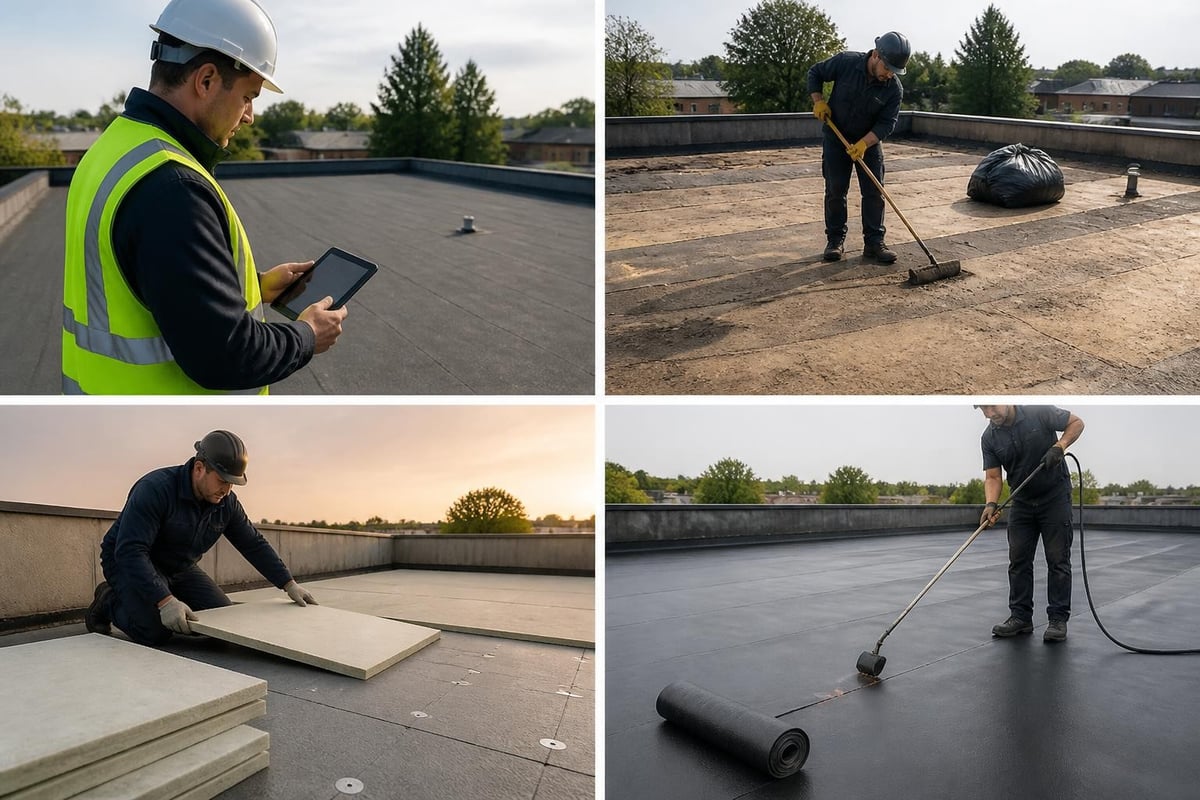
Your contractor should guide you through material selection based on your specific needs, budget constraints, and building characteristics. Factors influencing material choice include:
Once materials are selected, contractors develop detailed project timelines. Weather considerations play significant roles in scheduling, as most flat roofing systems require specific temperature ranges for proper installation.
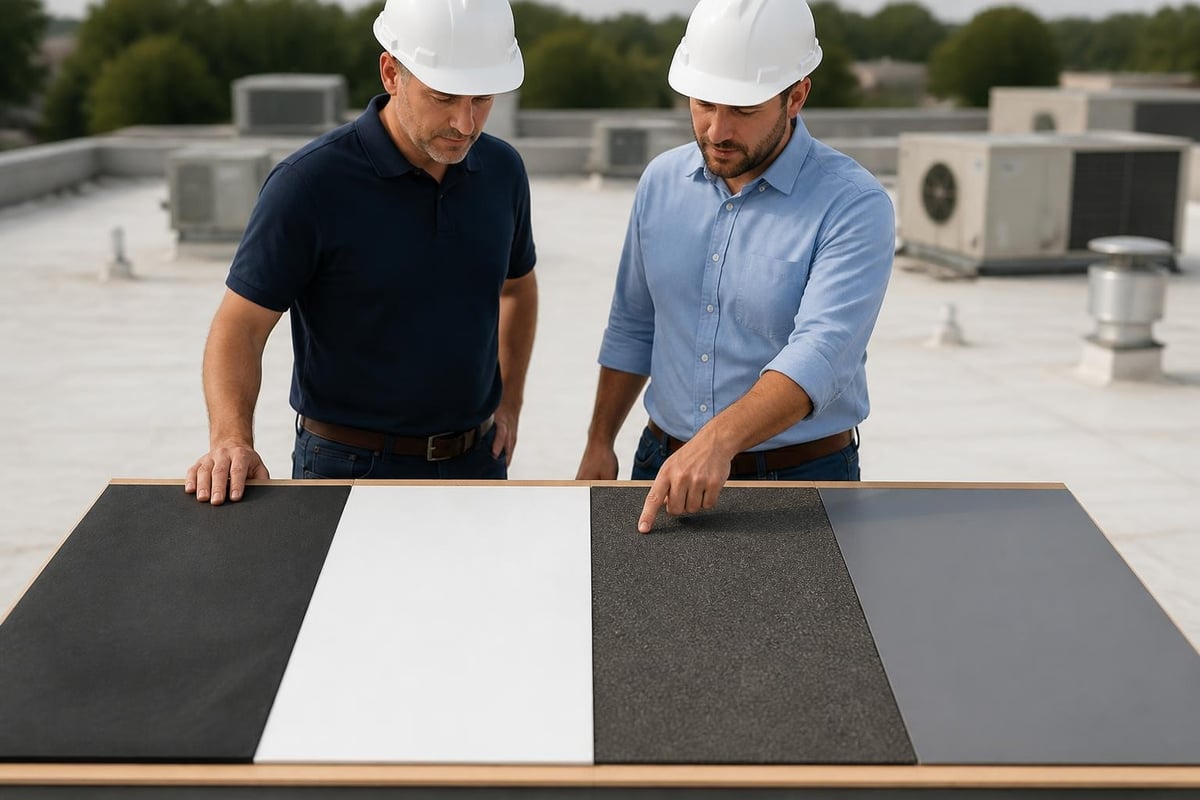
Complete tear-off involves removing all existing roofing layers down to the structural deck. This exposes any deck damage, rot, or structural issues that need addressing before new roofing installation.
Contractors inspect every square foot of exposed decking. Damaged sections get replaced, and the entire surface is prepared to ensure proper adhesion of new materials. This phase often reveals hidden problems that weren’t apparent during initial inspections.
Flat roof replacement represents a significant capital investment. Understanding cost drivers helps property owners budget appropriately and evaluate contractor quotes fairly.
Replacement costs vary based on numerous factors beyond simple square footage calculations:
According to comprehensive replacement guides, material costs typically account for 40-60% of total project expenses, with labor representing the balance.
When evaluating bids from multiple flat roof replacement contractors, look beyond bottom-line numbers. The lowest quote often signals shortcuts that compromise long-term performance.
Compare quotes based on:
Responsible contractors provide detailed, itemized quotes that allow direct comparisons. Vague or incomplete bids make it impossible to assess true value.
Certain contractor behaviors and business practices should raise immediate concerns. Recognizing these red flags protects you from costly mistakes.
Legitimate contractors never pressure property owners into immediate decisions. High-pressure sales tactics, limited-time discounts, and urgent replacement warnings without documented evidence indicate unprofessional operations.
Similarly, contractors promising extraordinarily long lifespans or guaranteeing that their installations will never leak are making unrealistic claims. All roofing systems eventually require maintenance and replacement.
Professional flat roof replacement contractors readily provide documentation including:
Contractors who resist sharing this information or provide excuses for not having documentation available often lack proper credentials or have problematic track records.
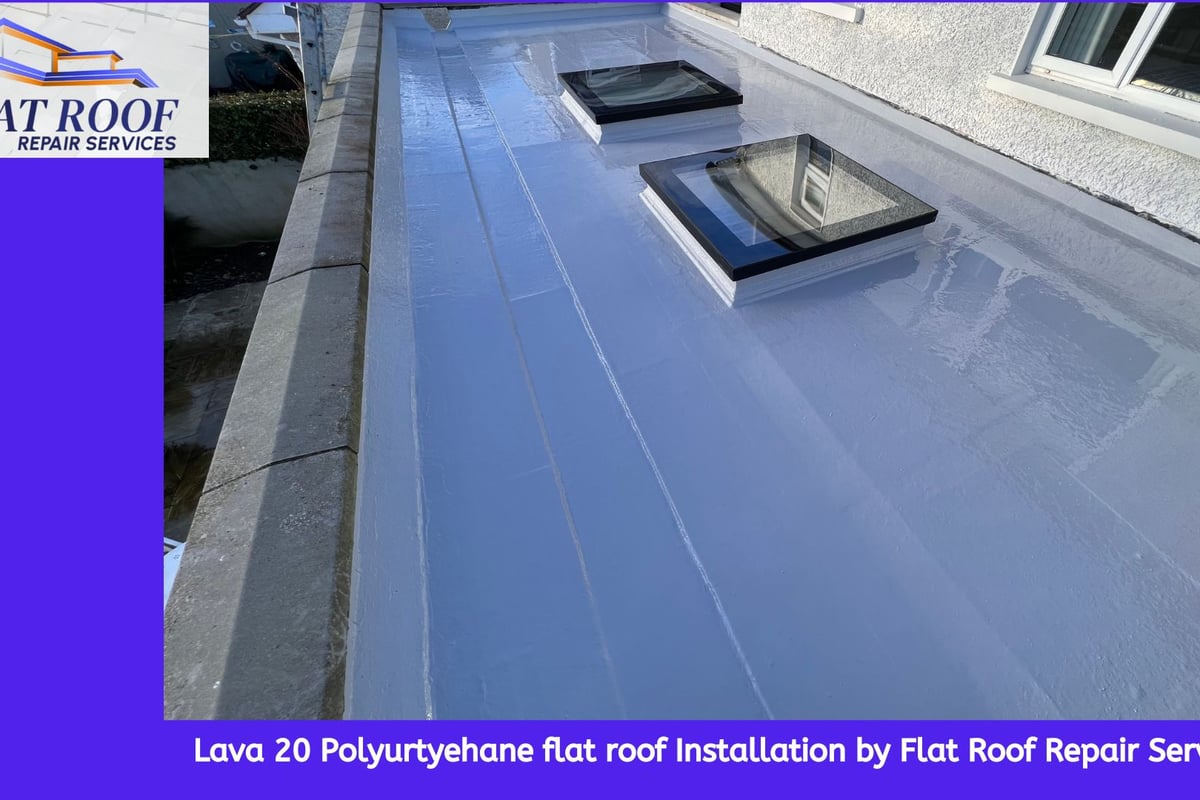
For property owners in Dublin and surrounding areas, working with established specialists who have demonstrated long-term commitment to the region provides additional assurance. Flat Roof Repair Services has built its reputation over more than two decades through consistent quality and customer satisfaction, offering comprehensive solutions backed by substantial guarantees.
Never pay the full project cost upfront. Standard practice involves deposit payments (typically 10-30%) followed by progress payments tied to completion milestones, with final payment due after project completion and inspection.
Contractors demanding large upfront payments or cash-only transactions often lack financial stability or proper business operations. Additionally, ensure all agreements are documented in written contracts that specify materials, timelines, payment schedules, and warranty terms.
The relationship with your flat roof replacement contractor shouldn’t end when installation is complete. Ongoing maintenance and periodic inspections extend roof lifespan and protect your investment.
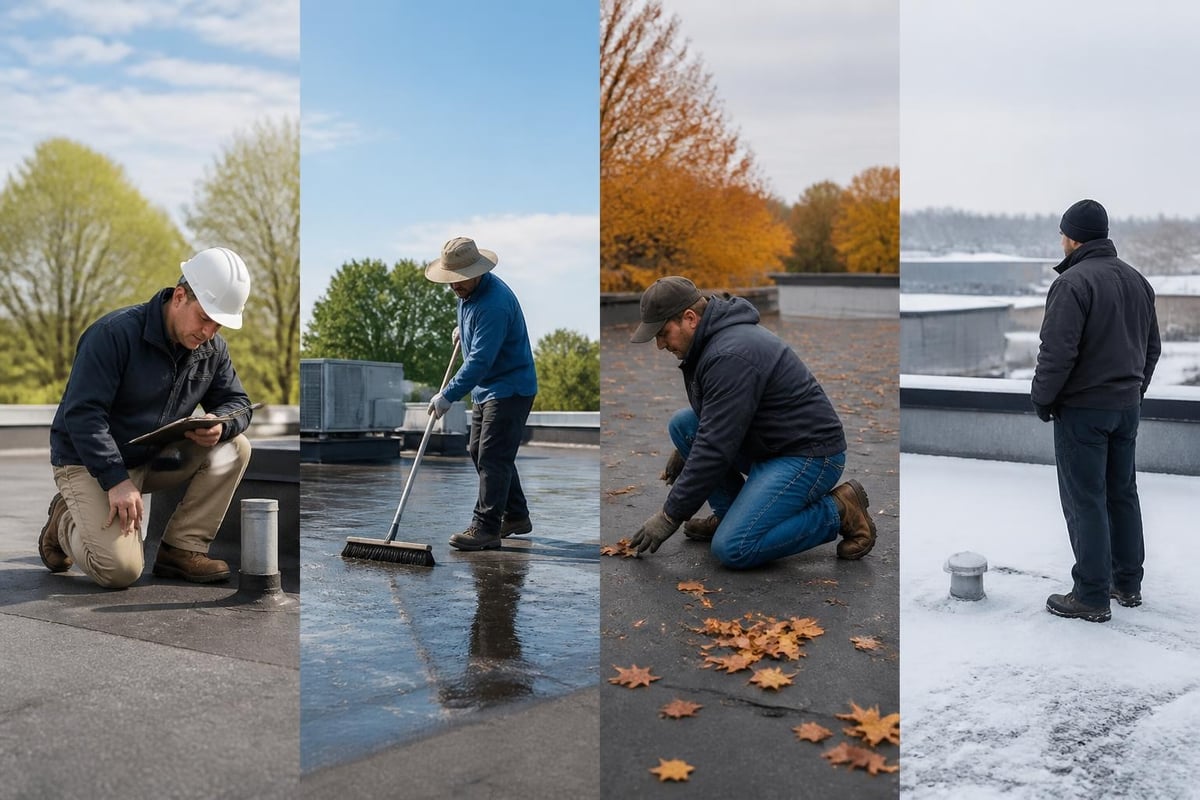
Schedule follow-up inspections within the first year after replacement. These visits allow contractors to identify any installation issues that weren’t immediately apparent and address them under warranty coverage.
Professional contractors welcome these inspections because they demonstrate confidence in their workmanship and commitment to customer satisfaction. According to maintenance and replacement guides, regular professional inspections catch minor issues before they become major problems.
Many quality flat roof replacement contractors offer maintenance programs that include:
These programs typically cost a fraction of replacement expenses while significantly extending roof lifespan. They also maintain warranty validity, as many manufacturers require documented maintenance for warranty claims.
The flat roofing industry continues evolving with new materials and installation techniques. Forward-thinking contractors stay current with these innovations.
Recent advances in membrane formulations deliver improved durability, better UV resistance, and enhanced reflectivity. Cool roof technologies, which reflect solar radiation, reduce cooling costs and improve occupant comfort.
Contractors familiar with these innovations can recommend solutions that provide better performance and energy efficiency compared to older systems. Resources like flat roof replacement options and best practices outline how modern materials outperform traditional alternatives.
New installation techniques reduce labor time while improving quality. Heat-welding technologies create stronger, more reliable seams than mechanical fastening alone. Liquid-applied systems offer seamless protection around complex details and penetrations.
The best flat roof replacement contractors invest in training and equipment to utilize these advanced methods. Their willingness to adopt proven innovations demonstrates commitment to delivering superior results.
Thorough vetting through targeted questions reveals contractor capabilities and professionalism. Prepare these questions before initial consultations:
Contractors who provide clear, detailed answers demonstrate transparency and professionalism. Vague responses or reluctance to answer specific questions signals potential problems.
Dublin’s climate presents specific challenges for flat roofing systems. The region’s frequent rainfall, moderate temperatures, and occasional freeze-thaw cycles require contractors who understand local conditions.
Not all roofing systems perform equally in Dublin’s maritime climate. EPDM and PVC membranes generally excel in wet conditions, while some modified bitumen systems require careful selection to ensure adequate flexibility during temperature variations.
Experienced local contractors understand which materials deliver optimal performance given regional weather patterns. They also recognize drainage design requirements necessary to handle Dublin’s substantial rainfall.
Dublin building regulations specify requirements for insulation values, fire resistance, and structural loading. Professional flat roof replacement contractors maintain current knowledge of these codes and ensure all work meets or exceeds minimum standards.
Permit acquisition and inspection coordination represent additional services quality contractors provide. They manage regulatory compliance so property owners don’t need to navigate these processes independently.
After gathering information, reviewing quotes, and checking references, trust both objective criteria and professional instincts when selecting your flat roof replacement contractor.
The lowest bid rarely delivers the best value. Instead, focus on contractors offering fair pricing for comprehensive services, quality materials, and substantial warranties.
Consider the total cost of ownership rather than just installation expenses. A slightly higher initial investment in superior materials and expert installation often costs less over the roof’s lifetime than budget options requiring frequent repairs.
Select contractors who demonstrate strong communication skills and realistic project timelines. The ability to reach your contractor when questions arise and receive prompt, clear responses indicates how they’ll handle issues during and after installation.
According to expert replacement guides, clear communication between contractors and property owners correlates strongly with project satisfaction and successful outcomes.
After completing due diligence, evaluate how comfortable you feel with each contractor. Professional demeanor, willingness to answer questions, and genuine interest in delivering quality work distinguish contractors who view projects as relationships rather than transactions.
Choosing the right flat roof replacement contractor requires careful evaluation of qualifications, experience, and business practices. By understanding the replacement process, recognizing quality indicators, and asking targeted questions, property owners position themselves to make informed decisions that protect their investments for decades. With over 25 years of specialized experience, Flat Roof Repair delivers expert flat roof replacement services throughout Dublin, backed by comprehensive warranties and unwavering commitment to customer satisfaction.
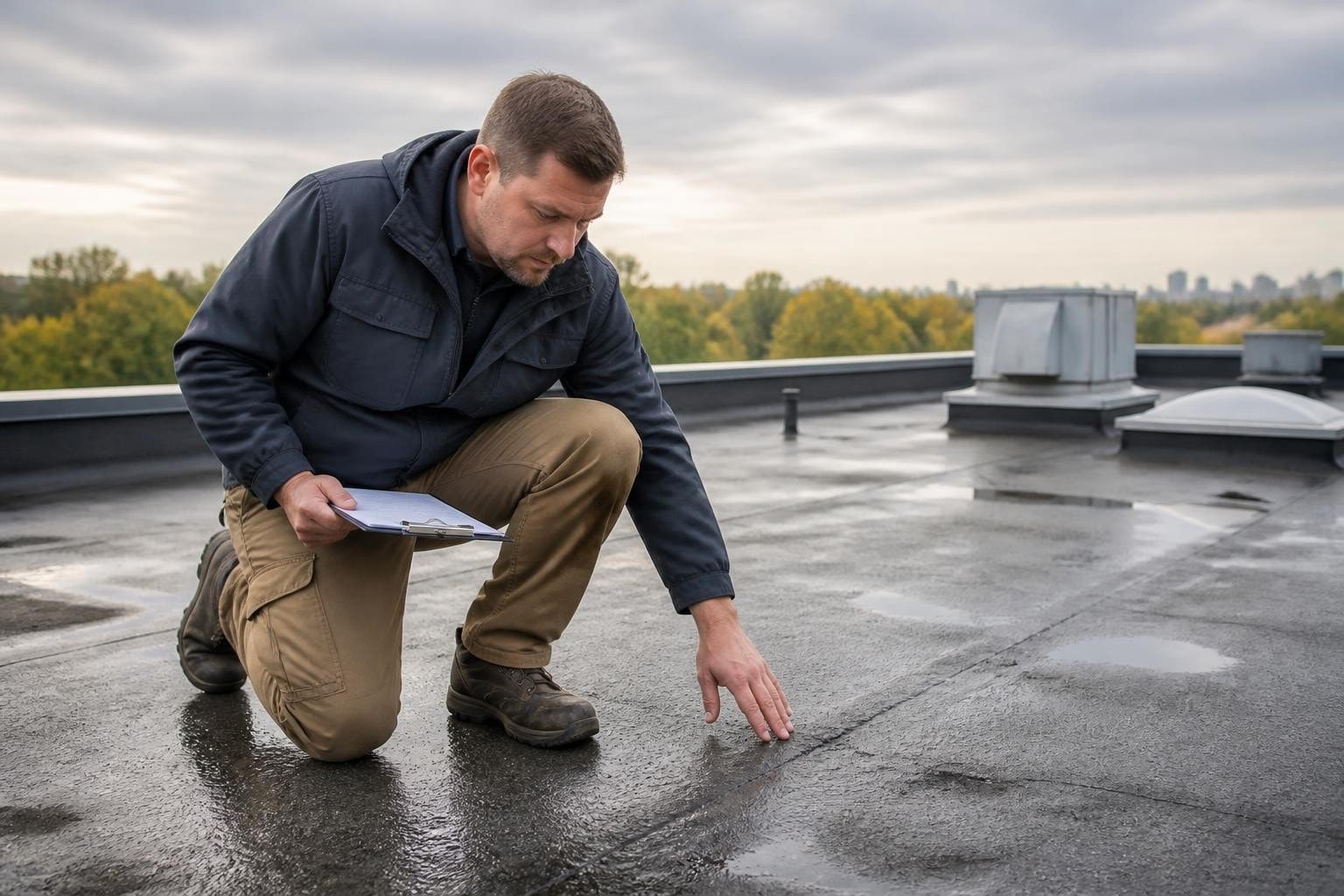
Roof Inspection and Repair: A Complete Guide for 2026
15 July 2026
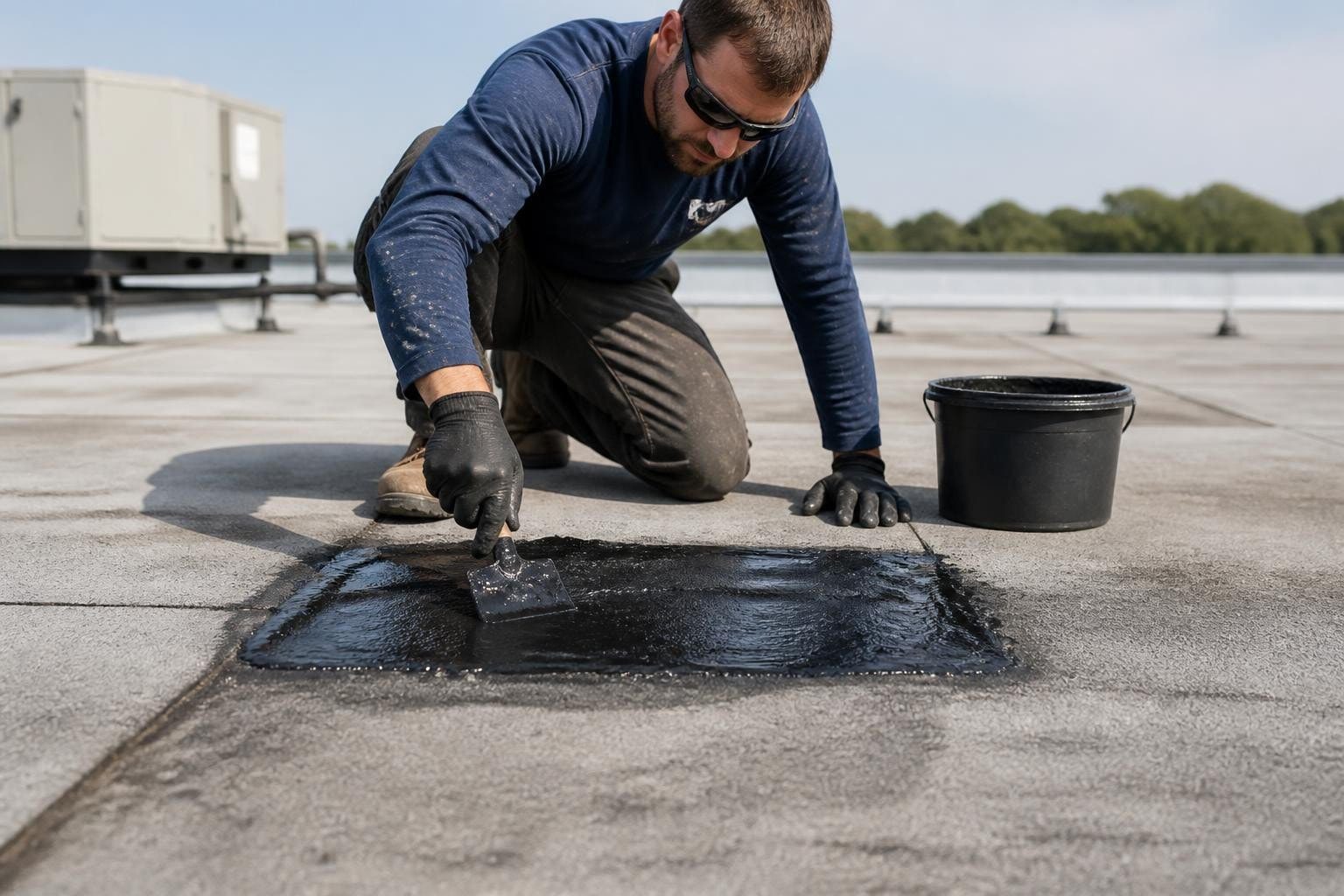
Roof Repair Patch: Complete Guide for Flat Roofs
14 July 2026

Flat Roof Home: Design, Benefits & Considerations
13 July 2026
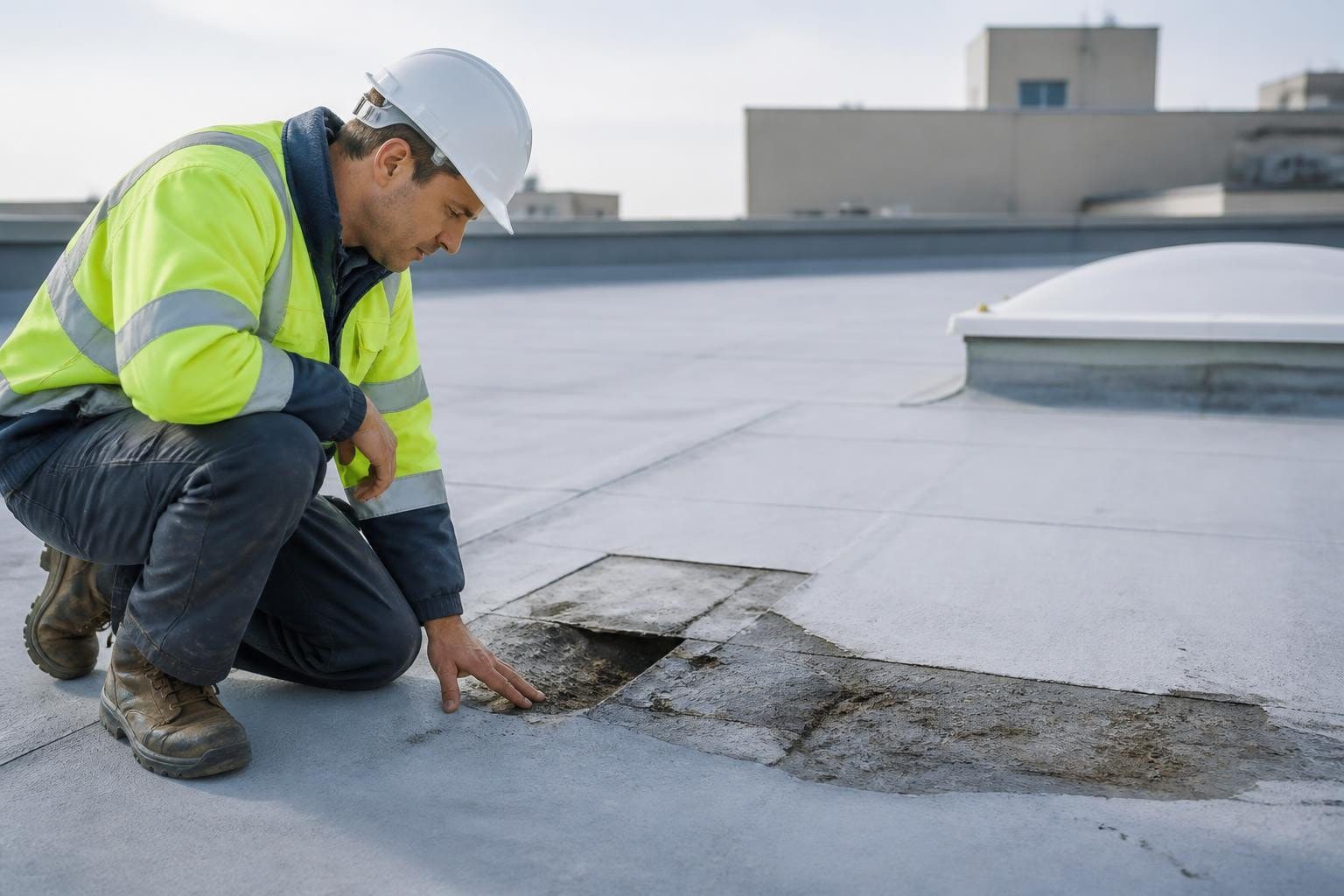
Membrane Roof Repair: Professional Guide for 2026
12 July 2026
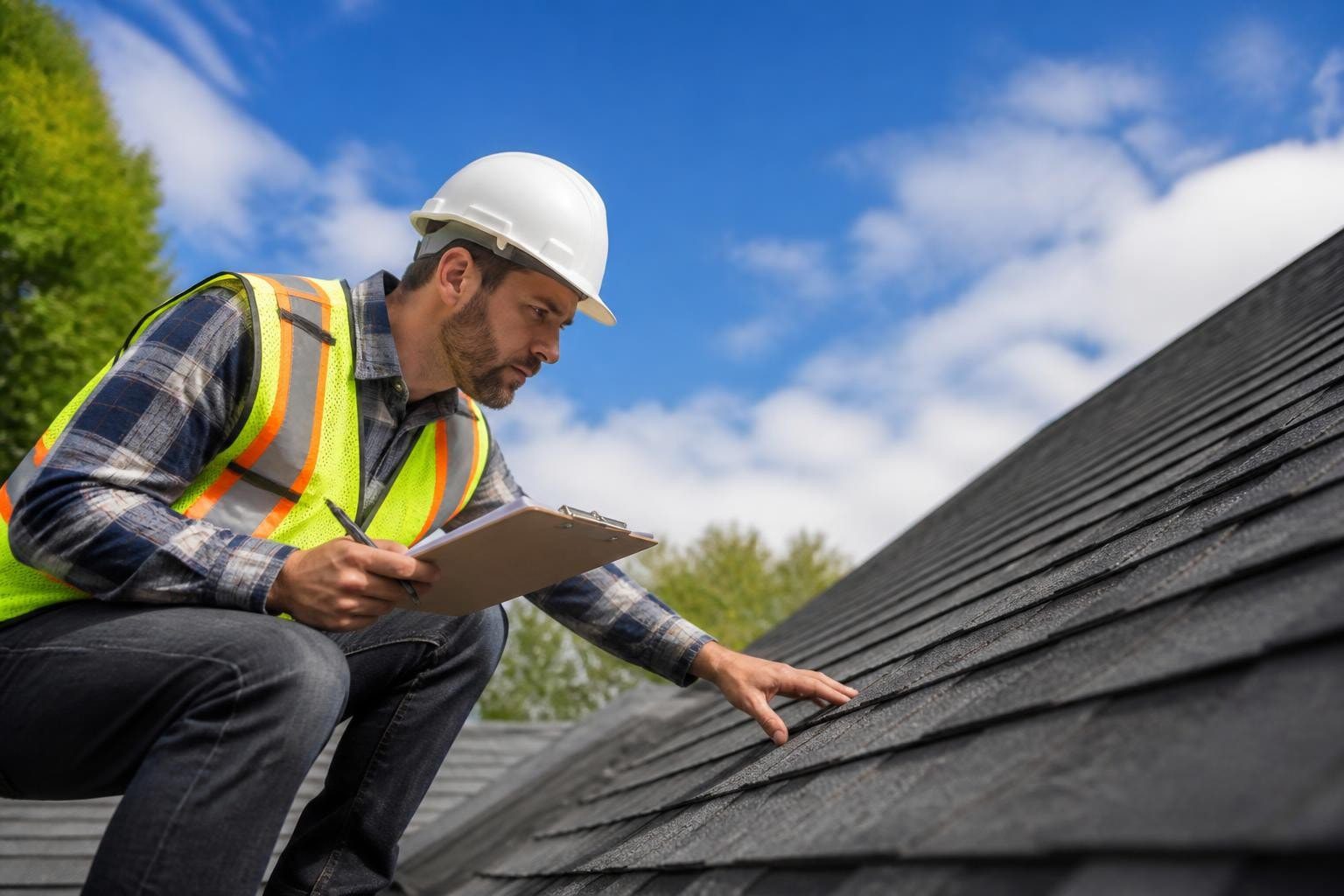
Roofing Assessment: Expert Guide for Property Owners
11 July 2026

ExpertiseExpertise
With over two decades of experience, our certified roofing specialists are the best in the business.

UnmatchedUnmatched
Our Lava 20 system guarantees top-notch durability, backed by a solid 25-year guarantee.

Customer-CentricCustomer-Centric
At Flat Roof Repair Services, customer satisfaction is our top priority.
 Let’s get started on your flat roof project today. Contact us for a free consultation and
discover how our expert roofing solutions can benefit your property.

2 years ago
Thank you @flatroofrepairservices for an amazing experience. All aspects of the job were explained from start to finish. Very friendly, competent and diligent team with expert knowledge and skill.
2 years ago
A great company with great flat roof experience thank you for repairing our flat roof.
2 years ago
Hired this company to carry out our new flat roof installation I must say from start to finish they were fantastic to work with our new flat roof installation is fantastic and we got a really great price. Thank you guys
2 years ago
I had an issue of roof leaking. I got best flat roofer in Dublin from Google search and they fixed roof leaking immediately. They gave me best quote for my new house flat roofing installation too. I am satisfied with his expert crew. Highly recommend Darren Flat roofer crew in Dublin
3 years ago
Was a pleasure to have these lads do my flat roof everything was done exactly how I wanted it dine and left to tidy and neat great people to deal with thanks so much darren
3 years ago
Exceptional Service and Outstanding Results! I recently had the pleasure of working with Flat Roof Repair Services for the installation of my flat roof, and I couldn't be more pleased with the outcome. From the initial consultation to the completion of the project, their team demonstrated professionalism, expertise, and a genuine commitment to customer satisfaction. The quality of workmanship is evident in every detail of our new roof. It's not only functional but also enhances the overall appearance of our property. The team was timely, efficient, and kept me informed throughout the process, making it a seamless and stress-free experience. I am delighted to be a very satisfied customer and would highly recommend Flat Roof Repair Services to anyone in need of a reliable and high-quality roofing solution. Their dedication to excellence is truly commendable, and it's clear they take great pride in their work. A heartfelt thank you to the entire team for their exceptional service.