charlene gannon
2 years ago


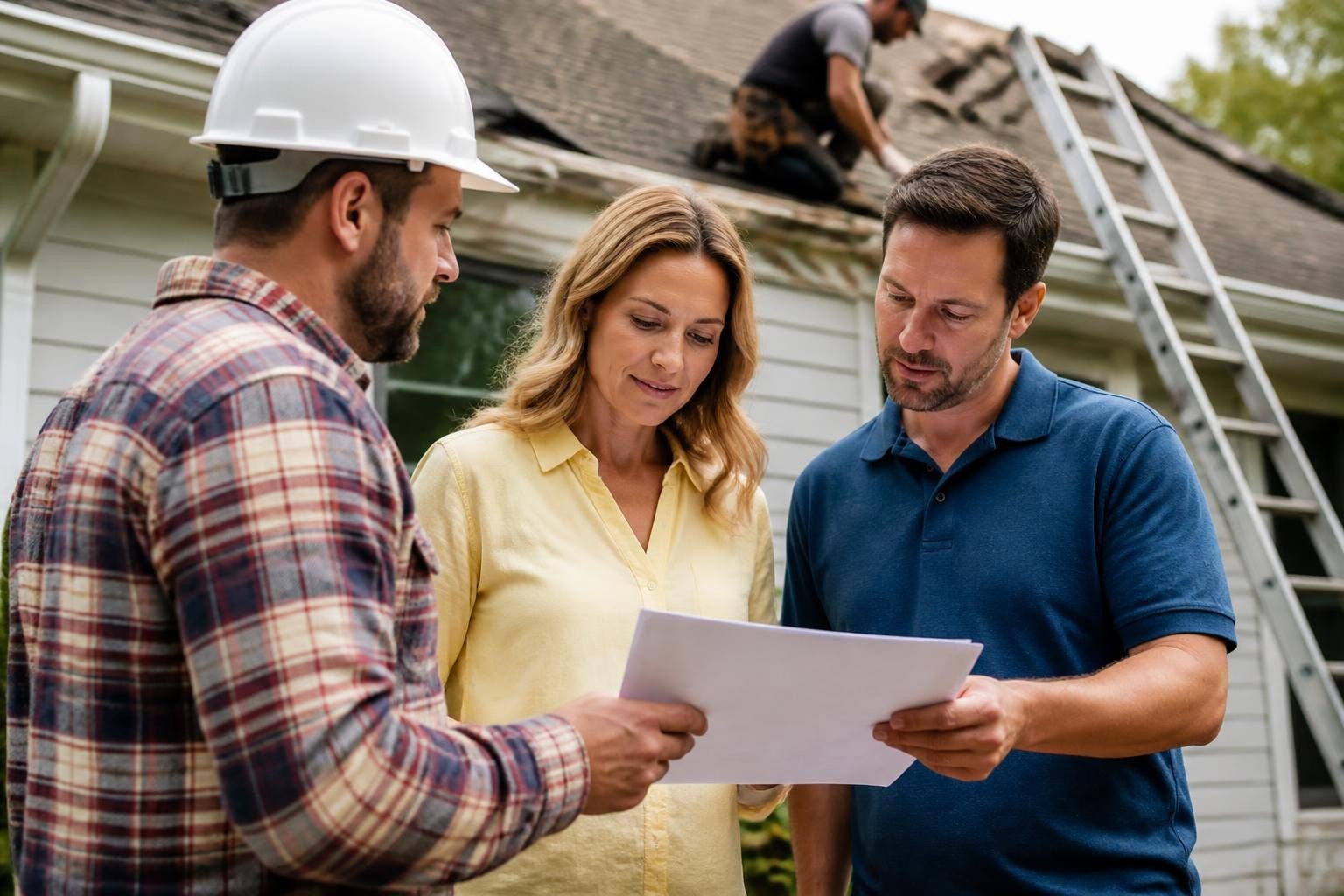
Finding the right contractor for roof repair can make the difference between a long-lasting solution and costly problems down the road. Your roof represents one of your property's most critical protective barriers, and any repair work demands precision, expertise, and proper materials. Whether you're dealing with leak detection, structural damage, or routine maintenance, partnering with a qualified professional ensures your investment delivers the protection and longevity you expect.
Recognizing the warning signs that signal the need for professional intervention is the first step in protecting your property. Many property owners delay contacting a contractor for roof repair until visible damage appears inside their building, but early detection can prevent extensive and expensive repairs.
Water stains on ceilings or walls represent one of the most obvious signs that your roof needs immediate attention. However, several less visible indicators deserve equal consideration:
Regular inspections help identify these issues before they escalate. Best practices for roof inspections and maintenance emphasize systematic evaluation of all roof components to maintain structural integrity.
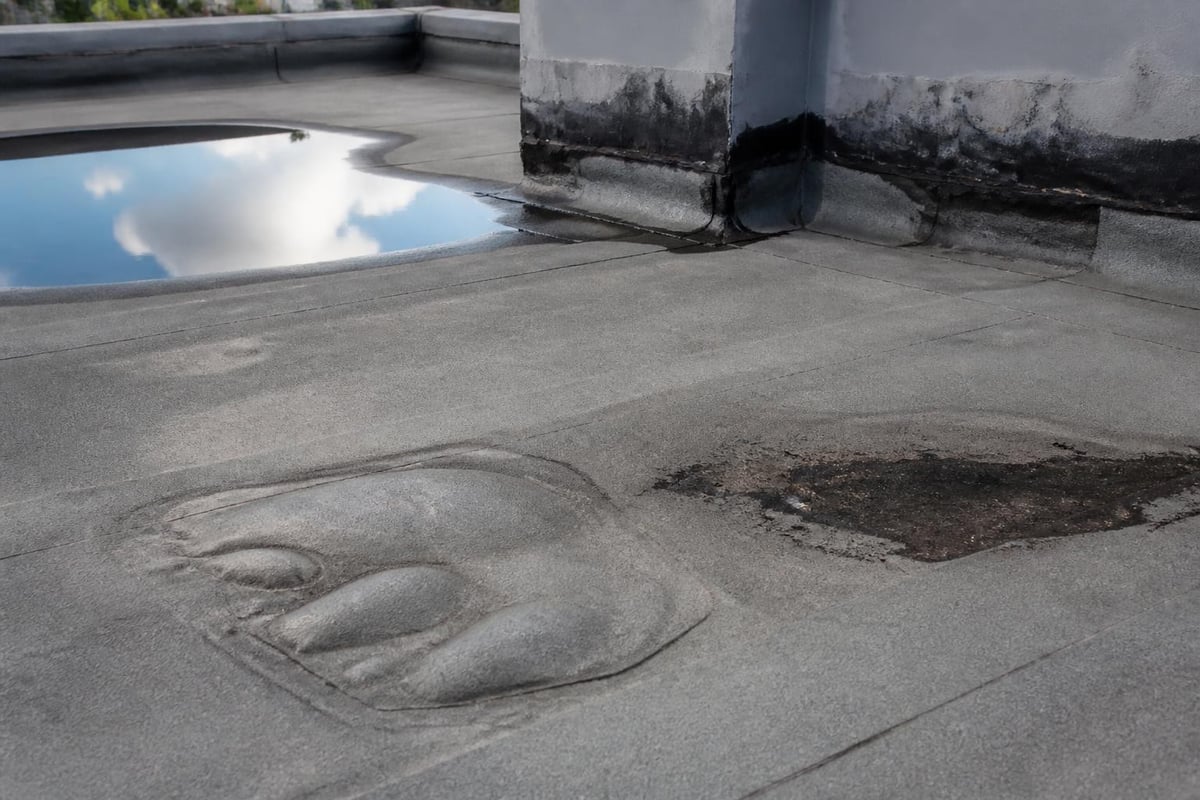
Timing plays a crucial role in roof repair success. While emergency repairs can't wait for ideal weather, planned maintenance should align with optimal conditions. Spring and fall typically offer the best windows for comprehensive roof work, with moderate temperatures that allow materials to cure properly.
Winter repairs present unique challenges, particularly in climates with freezing temperatures. Summer heat can also complicate certain repair processes, as materials may become too pliable or cure too quickly.
Selecting a contractor for roof repair requires thorough vetting of credentials and experience. Not all roofing professionals possess equal expertise, especially when dealing with specialized roofing systems.
A legitimate roofing contractor must carry appropriate licensing for your jurisdiction. In Ireland, reputable contractors maintain proper business registration and comply with all regulatory requirements. Beyond basic licensing, comprehensive insurance coverage protects both you and the contractor.
Critical insurance policies include:
The National Roofing Contractors Association provides guidelines that emphasize verifying these credentials before signing any contract. Request copies of insurance certificates and confirm coverage directly with the insurer.
Not all roofing contractors possess equal expertise across different roofing types. Flat roofing systems require specialized knowledge distinct from pitched roof experience. When evaluating a contractor for roof repair, prioritize those with documented experience in your specific roofing system.
| Qualification Factor | What to Ask | Why It Matters |
|---|---|---|
| Years in Business | How long have you specialized in flat roofing? | Demonstrates stability and accumulated expertise |
| Similar Projects | Can you provide references for similar repairs? | Confirms relevant experience with your roof type |
| Manufacturer Certifications | Are you certified by major roofing material manufacturers? | Ensures proper installation techniques and may extend warranties |
| Ongoing Training | How do you stay current with roofing technology? | Indicates commitment to industry best practices |
Once you've identified qualified candidates, comparing proposals requires understanding what separates comprehensive bids from inadequate ones. A detailed estimate from a contractor for roof repair should provide transparency about scope, materials, timeline, and costs.
Professional proposals extend beyond simple price quotes. They demonstrate the contractor's understanding of your specific repair needs and their approach to addressing them.
A thorough proposal includes:
Beware of contractors who provide vague estimates or pressure you to sign immediately. Reputable professionals understand that property owners need time to review proposals and compare options.
Roof repair pricing varies based on numerous factors, and understanding these variables helps you evaluate whether quotes are reasonable. Extremely low bids often indicate shortcuts in materials, labor, or proper procedures that compromise long-term performance.
Pricing factors include:

A contractor for roof repair stands behind their work with comprehensive warranties. These guarantees provide essential protection for your investment and reflect the contractor's confidence in their workmanship.
Understanding warranty distinctions helps you assess the true value of different contractor offerings. Most roof repairs involve two separate warranty types that work together to protect your interests.
Material warranties come directly from manufacturers and cover defects in the roofing products themselves. These warranties typically range from 10 to 30 years, depending on the product grade. However, material warranties often require proper installation by certified contractors to remain valid.
Workmanship warranties come from the contractor and cover installation errors or failures. Quality contractors offer substantial workmanship guarantees, often 10 to 25 years, demonstrating confidence in their installation standards.
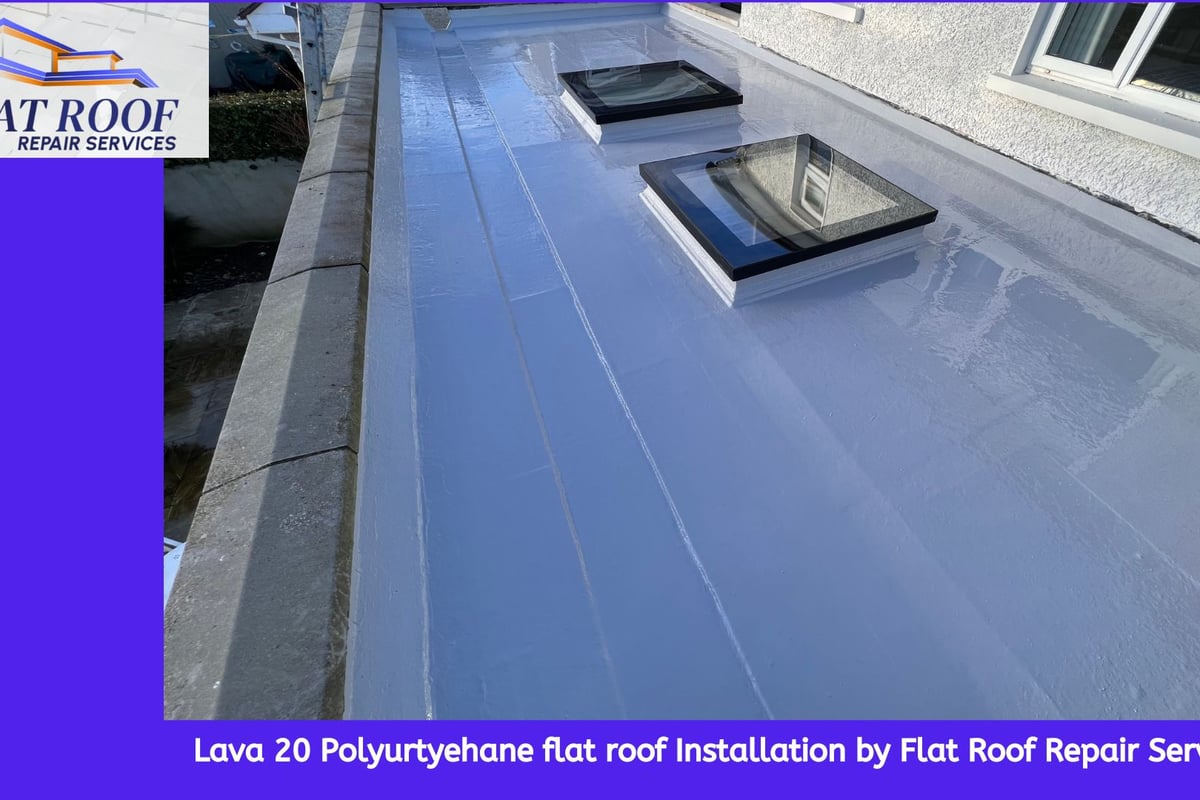
At Flat Roof Repair, we back our expertise with a 25-year guarantee on our work, ensuring Dublin property owners receive lasting protection and peace of mind. This extended coverage reflects our commitment to quality and demonstrates the superior durability of properly installed flat roofing systems.
Reading warranty fine print reveals important limitations and exclusions. Many property owners discover too late that their warranty doesn't cover certain types of damage or requires specific maintenance protocols.
| Warranty Aspect | Typically Covered | Common Exclusions |
|---|---|---|
| Material Defects | Manufacturing flaws, premature degradation | Damage from improper installation, lack of maintenance |
| Workmanship Errors | Installation mistakes, improper techniques | Normal wear, storm damage, structural issues |
| Transfer Rights | Some warranties transfer to new owners | Often with reduced coverage or fees |
| Maintenance Requirements | Usually none for material warranties | Workmanship warranties may require regular inspections |
Identifying warning signs early protects you from contractors who deliver substandard work or engage in questionable business practices. While most roofing professionals operate ethically, awareness of common red flags helps you avoid problematic situations.
Certain behaviors consistently correlate with poor outcomes. A contractor for roof repair who exhibits these characteristics should prompt serious reconsideration:
Common roofing mistakes often stem from hiring contractors who display these red flags, leading to compromised installations that fail prematurely.
Speaking directly with previous clients provides invaluable insights into a contractor's reliability, quality, and professionalism. Don't settle for a simple list of names; ask specific questions that reveal how the contractor handles challenges.
Key reference questions:
The best technical skills mean little without effective communication throughout your project. A professional contractor for roof repair establishes clear channels for updates, questions, and issue resolution from the initial consultation through project completion.
Successful roof repairs begin with mutual understanding of project parameters. Your contractor should explain the repair process in accessible language, outline potential challenges, and establish realistic timelines.
Regular progress updates keep you informed without requiring constant oversight. Discuss preferred communication methods upfront, whether through phone calls, emails, or in-person meetings at scheduled intervals. Establish who serves as your primary point of contact and how quickly you can expect responses to questions.
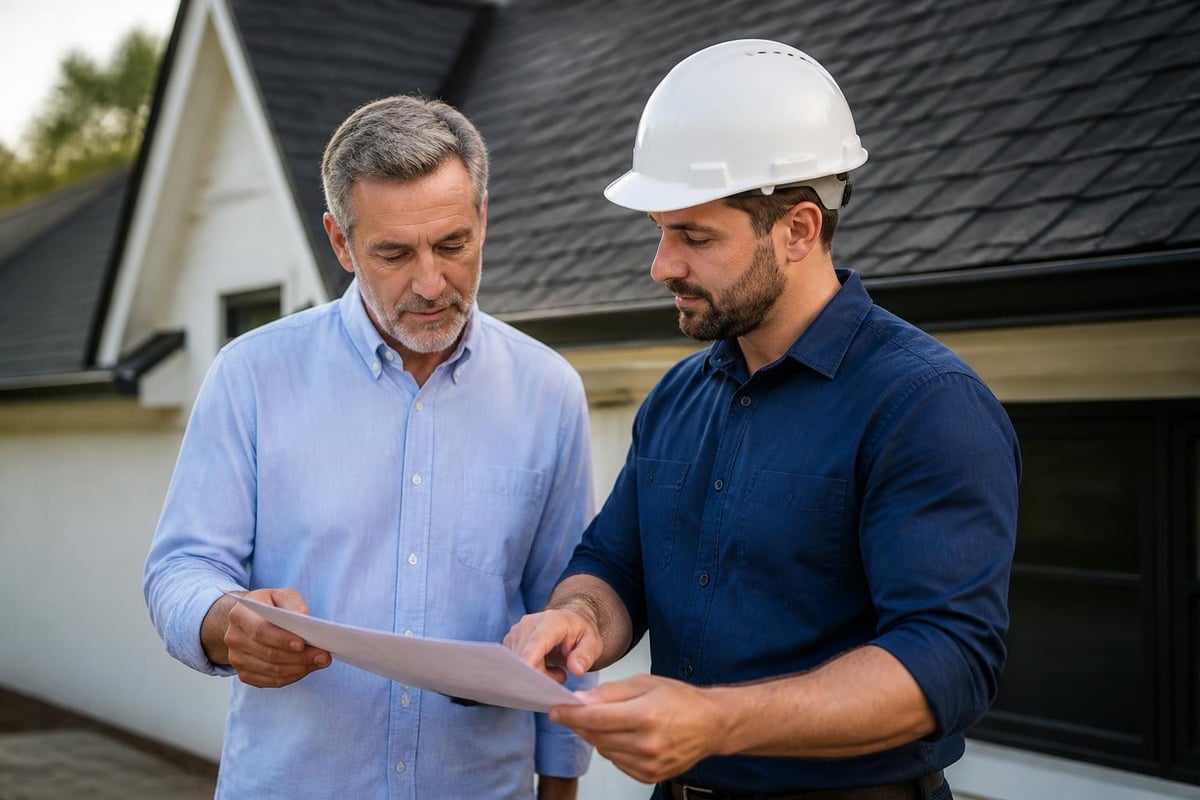
Even meticulously planned repairs sometimes reveal additional problems once work begins. Conducting thorough roof maintenance inspections can minimize surprises, but underlying damage isn't always visible until surfaces are removed.
Professional contractors document unexpected findings with photographs and clear explanations. They provide revised estimates for additional work before proceeding, ensuring you make informed decisions about scope changes. This transparency prevents billing surprises and maintains trust throughout the project.
The materials your contractor for roof repair recommends significantly impact repair longevity and performance. Understanding quality differences empowers you to make informed decisions about where to invest and where economy makes sense.
Flat roofing systems utilize various materials, each with distinct advantages and appropriate applications. Your contractor should recommend materials compatible with your existing roof and suitable for your building's specific conditions.
Common flat roof repair materials include:
Mixing incompatible materials can compromise both the repair and the existing roof. Quality contractors understand material chemistry and select products that integrate seamlessly with your current system.
Leading roofing material manufacturers maintain certification programs that train contractors in proper installation techniques. These programs ensure installers understand product specifications, application requirements, and warranty compliance procedures.
Choosing a certified contractor for roof repair often extends material warranties and provides access to manufacturer technical support if issues arise. Certification demonstrates commitment to ongoing education and adherence to industry best practices outlined by organizations like the National Roofing Contractors Association regarding installation standards.
Your relationship with a quality contractor for roof repair shouldn't end when the project is complete. Ongoing maintenance protects your investment and ensures repairs deliver expected longevity.
Proactive maintenance prevents minor issues from escalating into major failures. Your contractor should provide specific maintenance recommendations based on your roof type, local climate, and building use.
Typical maintenance intervals include:
Many contractors offer maintenance agreements that bundle these services at discounted rates while ensuring consistent care from professionals familiar with your roof's history.
Comprehensive records support warranty claims, inform future repairs, and provide valuable information if you sell your property. Maintain files including:
| Document Type | What to Keep | Why It Matters |
|---|---|---|
| Original Contract | Full scope and terms | Reference for warranty claims |
| Material Invoices | Product specifications and quantities | Proves use of specified materials |
| Inspection Reports | Findings and recommendations | Tracks roof condition over time |
| Warranty Documents | Coverage terms and contact information | Enables warranty service requests |
| Maintenance Records | Dates and work performed | Demonstrates proper care |
| Photographs | Before, during, and after images | Visual evidence of condition changes |
A seasonal maintenance approach that includes roof care helps you stay organized and ensures nothing gets overlooked throughout the year.
While general roofing contractors handle various roof types, specialists in flat roofing bring focused expertise to systems with unique requirements. Understanding these distinctions helps you identify the most qualified contractor for roof repair on flat surfaces.
Flat roofs face distinct challenges that require specialized knowledge. Unlike pitched roofs that shed water through gravity, flat surfaces depend on proper drainage design, membrane integrity, and precise installation techniques to prevent water infiltration.
Thermal expansion and contraction affect flat roofing materials differently than sloped applications. Foot traffic for equipment access, HVAC installations, and other penetrations create vulnerability points that specialists understand how to address and protect.
Contractors who focus exclusively on flat roofing accumulate deeper knowledge of system-specific issues, material performance, and effective repair techniques. This specialization translates to more accurate diagnostics, appropriate material selection, and installations that comply with manufacturer specifications.
Specialists maintain relationships with flat roofing material suppliers, accessing premium products and technical support. Their focused expertise often results in more efficient repairs, reducing both time and disruption to your property operations.
Modern roof repair increasingly incorporates environmental responsibility alongside performance requirements. A forward-thinking contractor for roof repair discusses sustainable options that reduce environmental impact while delivering durability.
Roof repairs present opportunities to improve your building's energy performance. Reflective coatings, enhanced insulation, and cool roof membranes reduce heat absorption, lowering cooling costs and improving interior comfort.
Sustainable roofing features include:
Responsible contractors implement waste reduction strategies during repairs. Many roofing materials can be recycled rather than sent to landfills, and conscientious contractors separate recyclable materials from general waste.
Ask potential contractors about their waste management practices. Those committed to environmental stewardship should articulate clear procedures for minimizing waste, recycling compatible materials, and disposing of hazardous substances according to regulations.
When roof damage results from storms or other insured events, navigating insurance claims adds complexity to the repair process. An experienced contractor for roof repair provides valuable support throughout claims procedures.
Quality contractors understand insurance requirements and documentation standards. They can meet with adjusters, provide detailed damage assessments, and prepare accurate repair scopes that satisfy insurance company requirements.
This expertise proves particularly valuable when disputes arise about damage extent or repair necessity. Contractors familiar with insurance processes can advocate effectively for appropriate coverage while maintaining professional relationships with adjusters.
Insurance claims require thorough documentation connecting damage to covered events. Your contractor should photograph damaged areas, document pre-existing conditions, and provide detailed written assessments supporting your claim.
Comprehensive documentation includes material specifications, labor requirements, and itemized cost breakdowns. These details help insurance companies understand repair scope and justify claim amounts, potentially preventing coverage disputes or underpayment.
Selecting the right contractor for roof repair protects your property investment and ensures lasting performance. By verifying qualifications, understanding proposals, and establishing clear communication, you position your project for success. With over 25 years of specialized flat roofing experience in Dublin, Flat Roof Repair delivers the expertise, quality materials, and 25-year guarantee your property deserves. Contact us today to schedule a comprehensive assessment and discover how our specialized knowledge can solve your roofing challenges.
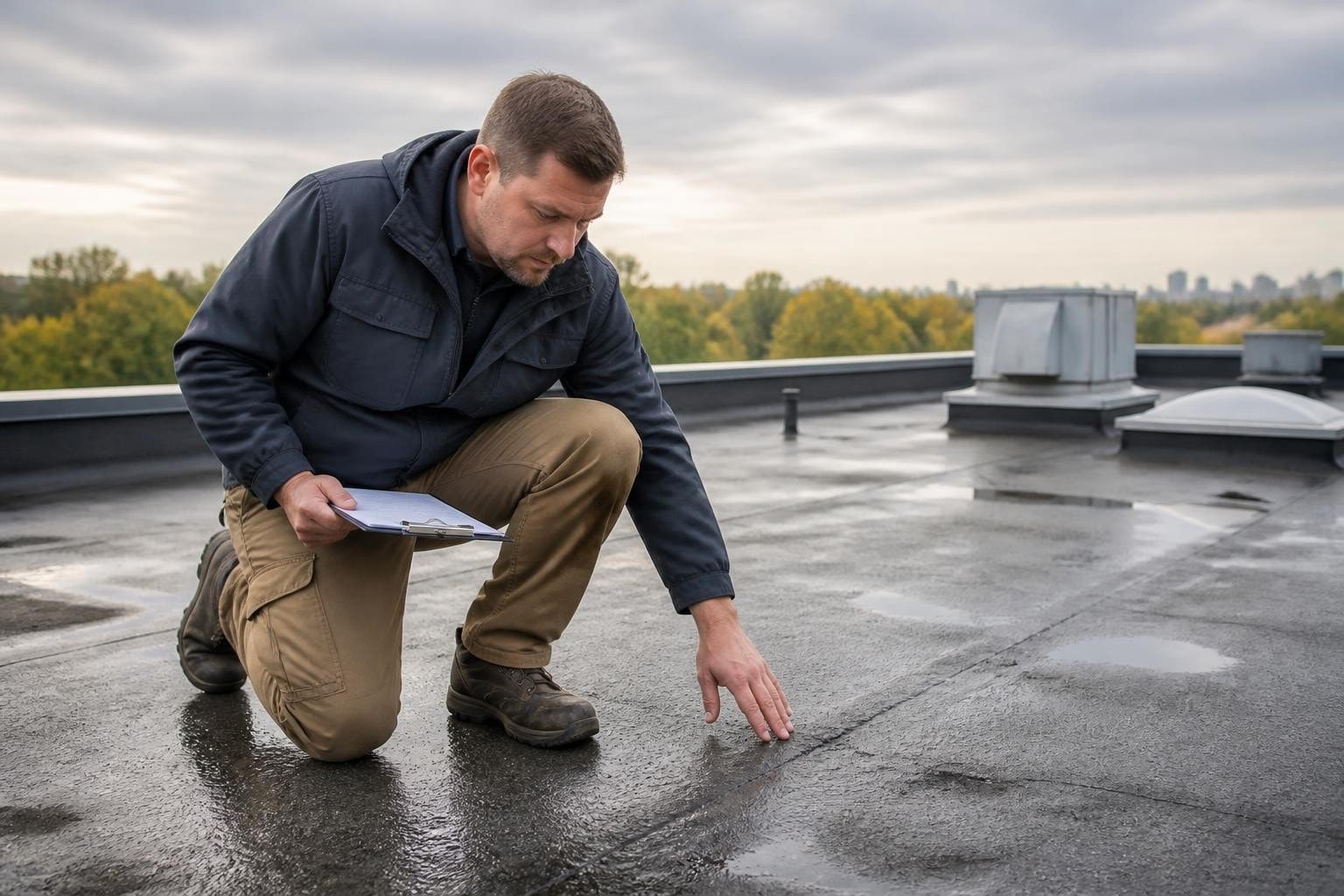
Roof Inspection and Repair: A Complete Guide for 2026
15 July 2026
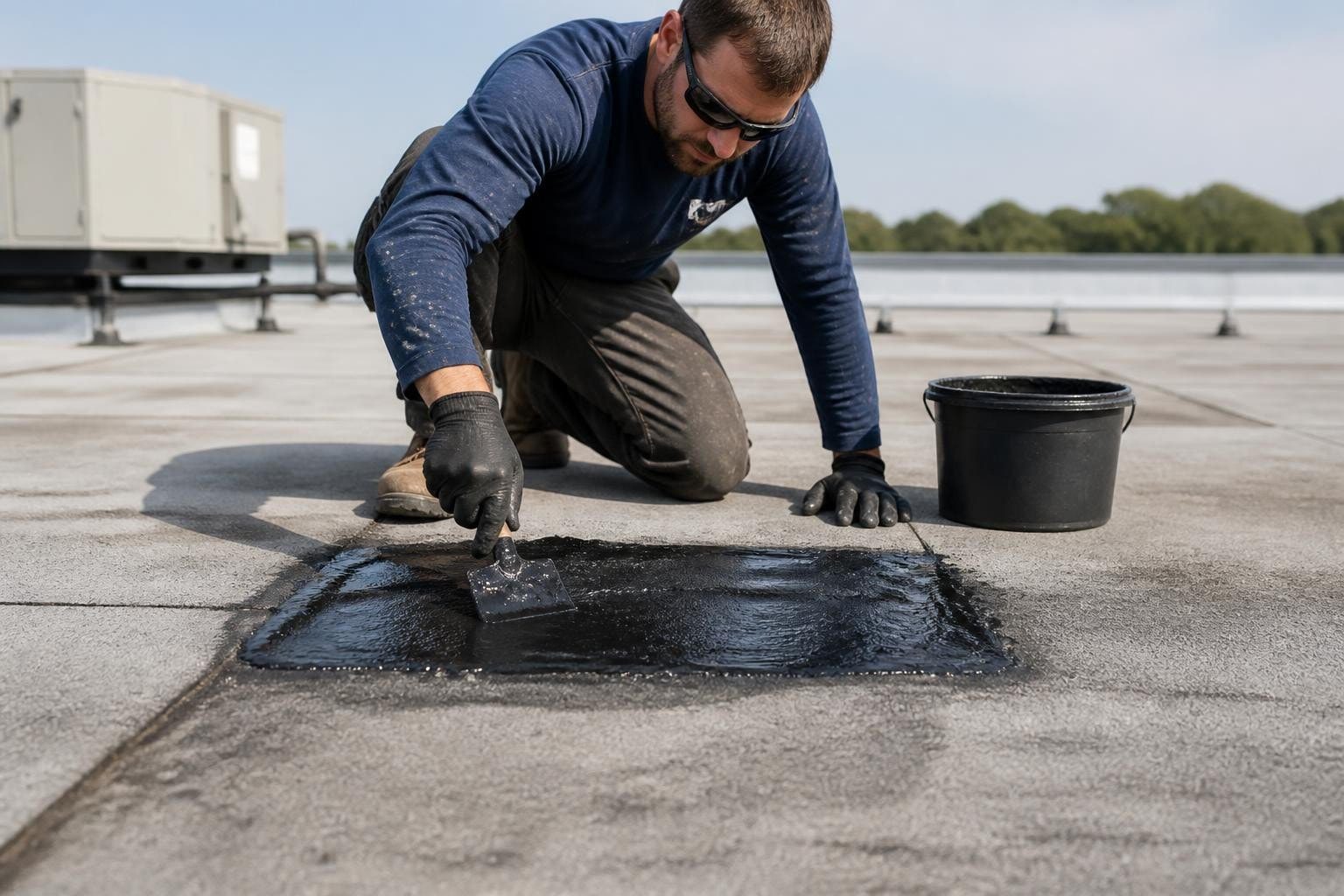
Roof Repair Patch: Complete Guide for Flat Roofs
14 July 2026

Flat Roof Home: Design, Benefits & Considerations
13 July 2026
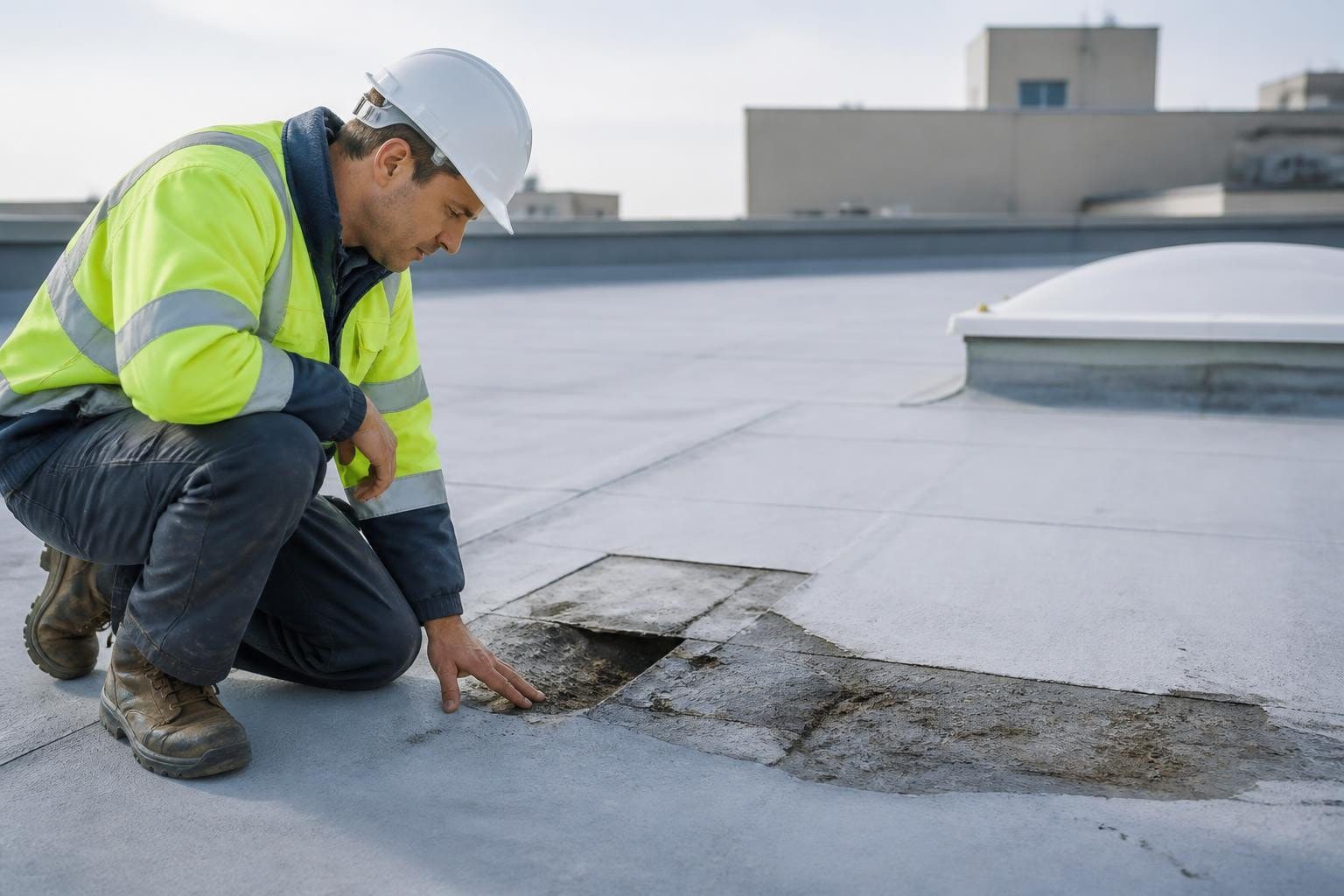
Membrane Roof Repair: Professional Guide for 2026
12 July 2026
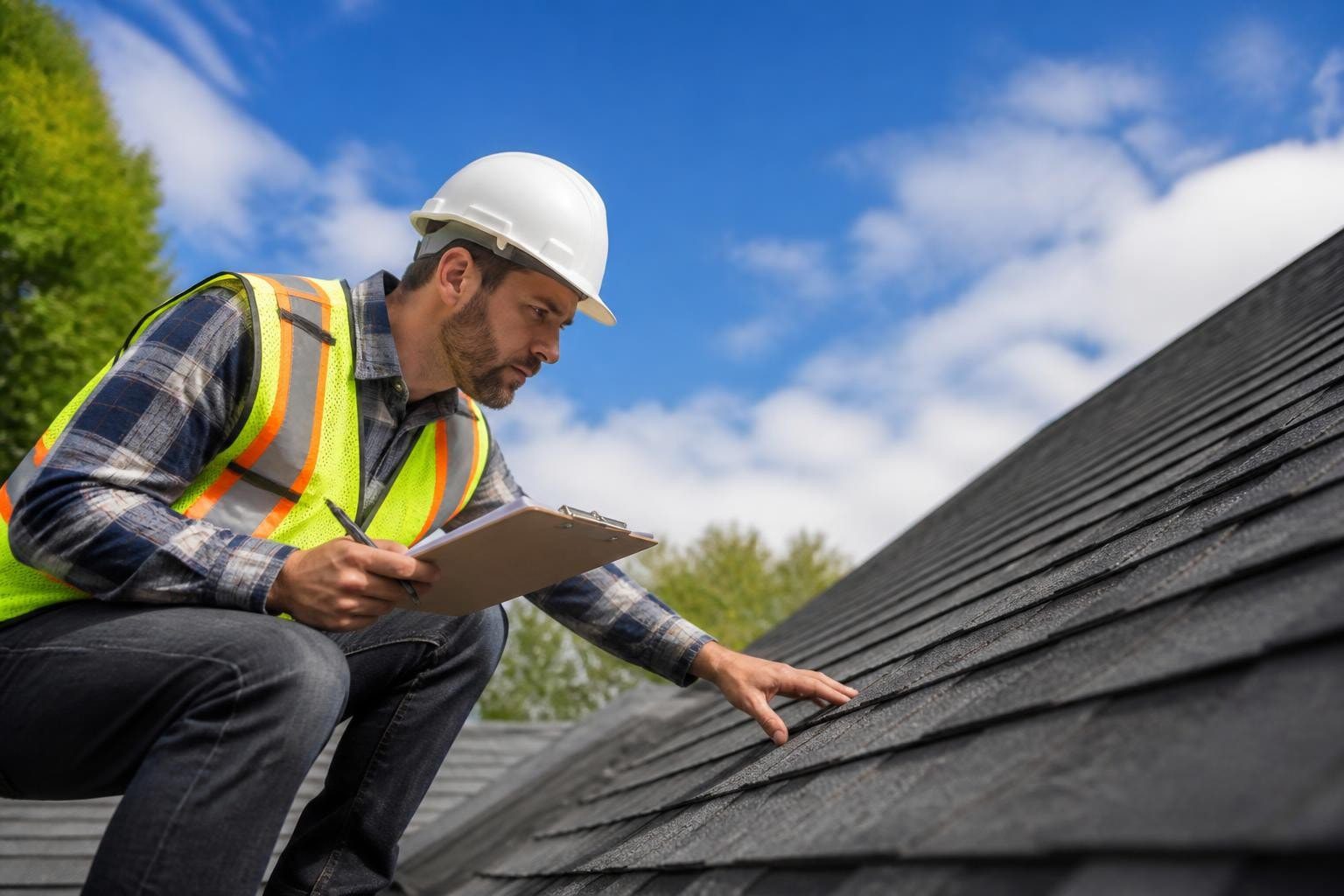
Roofing Assessment: Expert Guide for Property Owners
11 July 2026

ExpertiseExpertise
With over two decades of experience, our certified roofing specialists are the best in the business.

UnmatchedUnmatched
Our Lava 20 system guarantees top-notch durability, backed by a solid 25-year guarantee.

Customer-CentricCustomer-Centric
At Flat Roof Repair Services, customer satisfaction is our top priority.
 Let’s get started on your flat roof project today. Contact us for a free consultation and
discover how our expert roofing solutions can benefit your property.

2 years ago
Thank you @flatroofrepairservices for an amazing experience. All aspects of the job were explained from start to finish. Very friendly, competent and diligent team with expert knowledge and skill.
2 years ago
A great company with great flat roof experience thank you for repairing our flat roof.
2 years ago
Hired this company to carry out our new flat roof installation I must say from start to finish they were fantastic to work with our new flat roof installation is fantastic and we got a really great price. Thank you guys
2 years ago
I had an issue of roof leaking. I got best flat roofer in Dublin from Google search and they fixed roof leaking immediately. They gave me best quote for my new house flat roofing installation too. I am satisfied with his expert crew. Highly recommend Darren Flat roofer crew in Dublin
3 years ago
Was a pleasure to have these lads do my flat roof everything was done exactly how I wanted it dine and left to tidy and neat great people to deal with thanks so much darren
3 years ago
Exceptional Service and Outstanding Results! I recently had the pleasure of working with Flat Roof Repair Services for the installation of my flat roof, and I couldn't be more pleased with the outcome. From the initial consultation to the completion of the project, their team demonstrated professionalism, expertise, and a genuine commitment to customer satisfaction. The quality of workmanship is evident in every detail of our new roof. It's not only functional but also enhances the overall appearance of our property. The team was timely, efficient, and kept me informed throughout the process, making it a seamless and stress-free experience. I am delighted to be a very satisfied customer and would highly recommend Flat Roof Repair Services to anyone in need of a reliable and high-quality roofing solution. Their dedication to excellence is truly commendable, and it's clear they take great pride in their work. A heartfelt thank you to the entire team for their exceptional service.